iscover
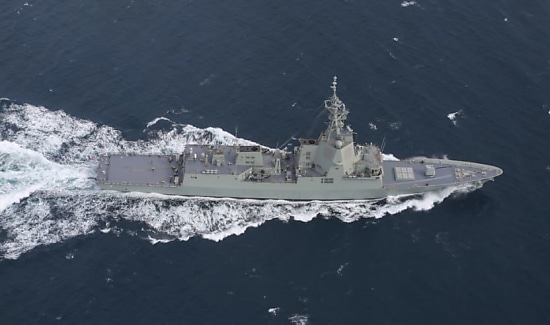






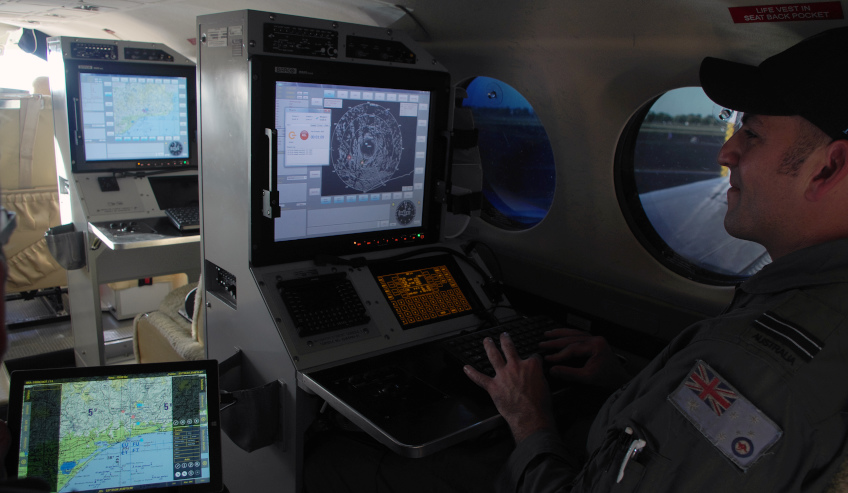
Cirrus Real Time Processing Systems managing director Peter Freed has outlined some key challenges and opportunities around the need to balance the required rigour of simulation capabilities with the imperative to accelerate staff training.
The Sydney-based firm delivers a range of military simulation software products and services. Speaking to Defence Connect, Freed acknowledged there was a trade-off in terms of gauging the level of complexity to include in a training system.
“What range of circumstances [do] you want to be able to train military personnel to be able to deal with?” he said. “And those considerations might lead you to having a more complex system, and against that you might want to also have a requirement to keep things as simple as possible to get people up to speed as fast as possible.”
However, Freed did note that Cirrus itself was not a military operator.
“The practical day-to-day nuances of how different types of equipment work, and which aspects and behaviours of those pieces of equipment are actually relevant to what you need to train operators on, that comes from our friends in the military [and] the schools to which we provide our training systems,” he said.
“We have to draw on both our own engineering and scientific knowledge of how the systems that we're simulating work, and the end-users’ concepts of how it is that the simulation should behave to allow them to effectively train the people who are going through their schools.”
On balance, meanwhile, Freed said the company typically did not need to enforce which aspect should prevail in the equation.
“Well, we generally wouldn't be the party that makes that call,” he said. “Our clients would direct us to the appropriate spot.”
To hear more from Cirrus' MD Peter Freed, listen to our podcast here.
Want to see more stories from trusted news sources?
Make Defence Connect a preferred news source on Google.
Click here to add Defence Connect as a preferred news source.