Gain the knowledge to compete with confidence
Hear directly from government agencies, defence leaders and industry experts on the policies, programs and procurement trends shaping Australia's defence sector—and what they mean for your business.
The Australian Defence Industry Accelerator Summit returns in 2027, bringing together the leaders, decision-makers and organisations shaping the future of Australia's sovereign defence capability.
Designed specifically for defence SMEs, technology companies and emerging suppliers, the summit delivers practical strategies, market intelligence and high-value connections to help businesses compete, grow and win in an increasingly complex defence landscape.
Across one intensive day, attendees gain direct access to senior representatives from government, defence primes, finance, export agencies and industry leaders. Every session is built around one objective: equipping Australian businesses with the knowledge, relationships and opportunities needed to strengthen capability, unlock new markets and accelerate sustainable growth.
Whether you're looking to secure your first defence contract, expand into international markets, strengthen your supply chain position or better understand the evolving procurement environment, the Australian Defence Industry Accelerator Summit provides the insights and connections to help you move forward with confidence.
Register your interest today to be the first to receive updates on the 2027 summit, including speaker announcements, agenda releases, registration information and event news.
Practical insights. Strategic connections. Real opportunities.
Hear directly from government agencies, defence leaders and industry experts on the policies, programs and procurement trends shaping Australia's defence sector—and what they mean for your business.
Learn how to engage more effectively with defence primes, government buyers and major programs while strengthening your organisation's readiness for future contracts and partnerships.
Discover the financial, export and government support available to help your business scale, enter new markets and build long-term capability across Australia's defence industry.
Connect with defence SMEs, primes, government representatives, financiers, international partners and industry leaders in an environment designed to foster meaningful business relationships and collaboration.
Leave with actionable insights, proven frameworks and expert advice to improve competitiveness, strengthen operational resilience and position your business for long-term success.
Built for leaders and organisations shaping Australia's defence industry supply chain.
Defence SME owners, executives, and business development leaders looking to scale or export.
Emerging industry participants seeking to enter Australia’s defence supply chain.
Government and defence procurement officials wanting to connect with innovative local suppliers.
Representatives from industry primes aiming to broaden their supply base and collaborate with agile SMEs.
International partners and trade delegates interested in fostering ties with Australia’s defence sector.
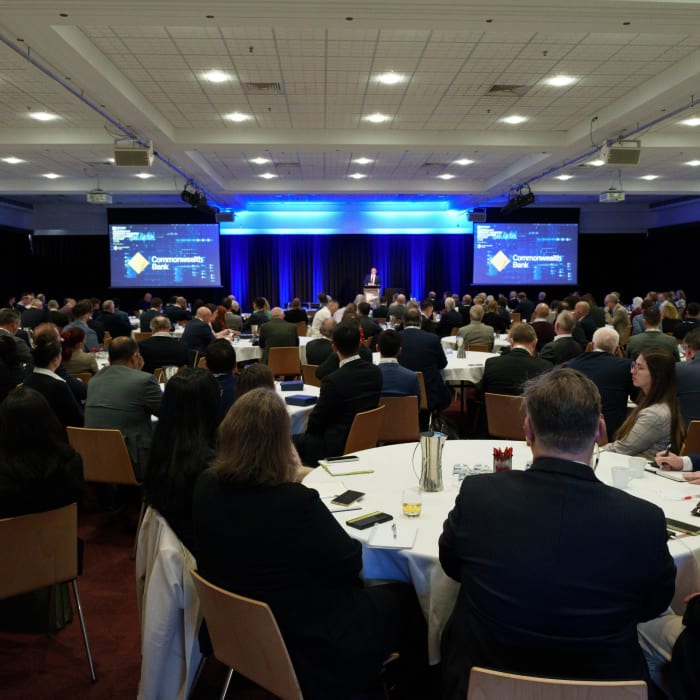
Get a front-row look at what makes the Australian Defence Industry Accelerator Summit a must-attend day for defence industry SMEs, primes, and partners.
Highlights from the Australian Defence Industry Accelerator Summit
Register now and we'll notify you as 2027 dates, speakers, and session details are announced — plus early access to updates from Defence Connect.
Fill in your details and we'll be in touch.
We respect your privacy. No spam, ever. You can unsubscribe at any time.