






Military communications – lifeblood of the Australian Defence Force
Military communications, used offensively and defensively, are the lifeblood of the Australian Defence Force.
From strategic command-and-control systems to front-line battlefield networks, communications unite commanders, personnel, platforms and capabilities into a single coordinated fighting force.
Networked systems provide commanders with a broad picture of the operational environment to assess threats, coordinate response and direct military operations across multiple domains.
That information cascades down through the chain of command, reaching individual units operating on the battlefield and enabling personnel to make informed decisions in rapidly changing conditions.
Without reliable communications, even the most sophisticated military platforms, weapons systems and personnel can become isolated, undermined in their operational effectiveness and exposed to adversaries.
A connected force
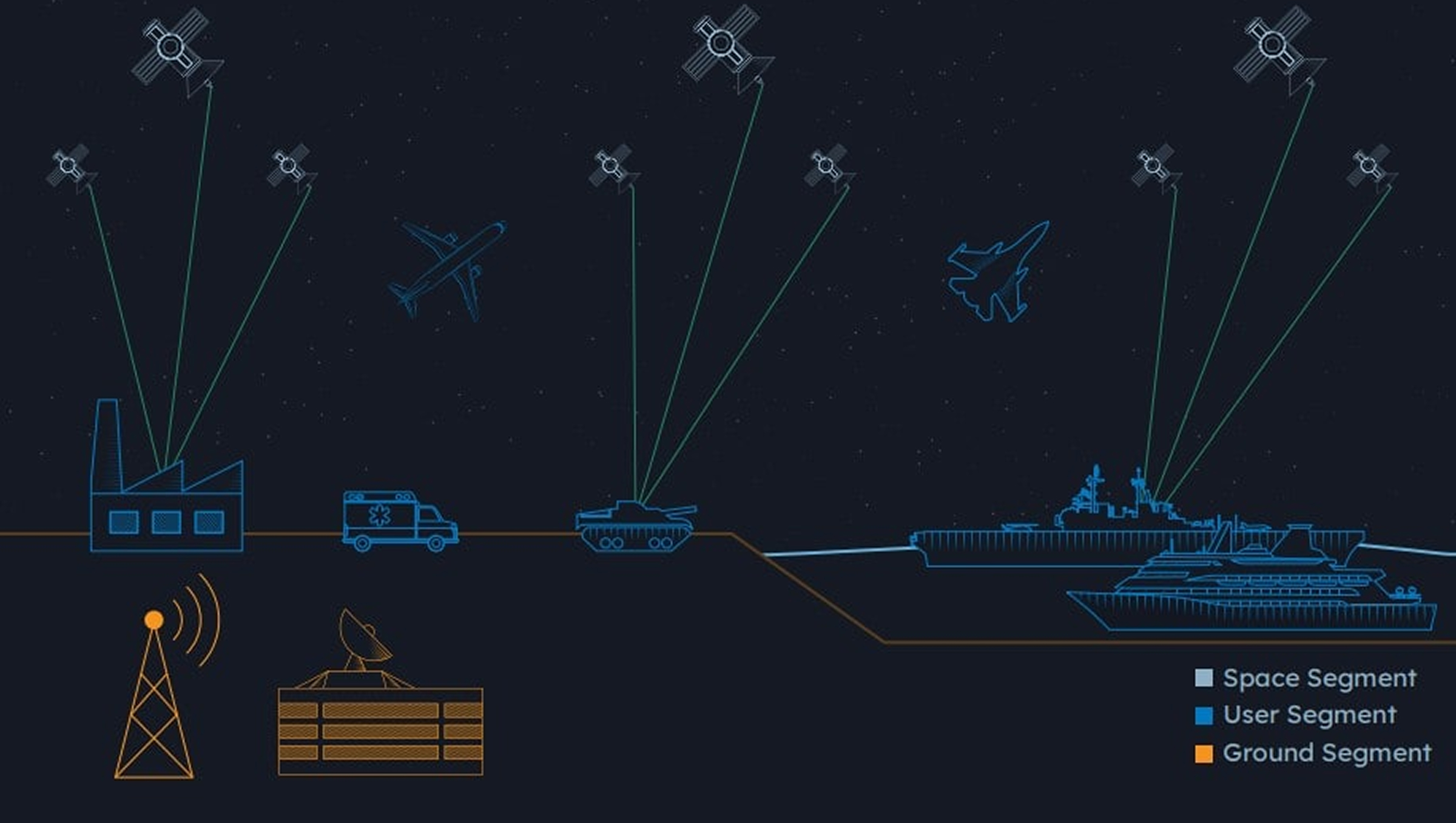
Modern military communications extend well beyond radios and battlefield networks. They encompass secure digital infrastructure, satellite connectivity, cyber security and the systems that allow information to be shared across land, sea, air, space and cyber operations.
The ADF must be able to maintain reliable communications while protecting its networks against increasingly sophisticated attacks. The establishment of the ADF Cyber Reserve Force highlights the importance of developing the specialist expertise needed to protect these systems.
In this regard, Defence is accessing technical skills crucial to national security by bringing civilian cyber professionals from industry, government and academia into military service without requiring them to abandon their existing careers.
This strategy recognises that communications resilience depends on the people capable of operating, maintaining and defending it, not just the technology itself.
Overcoming institutional barriers
Australia must also conquer its fear of risk, bureaucracy and blame in the way government officials communicate, according to a warning from former prime minister Kevin Rudd.
Effective communications must allow capability to make decisions quickly and adapt to a changing threat environment without being paralysed by institutional risk aversion.
Defence is no stranger to this risk of failure and blame, where lengthy procurement cycles and complex approval processes can provide stark points of controversy during heated Senate estimates discussions.
Equally for this fear of risk, fault also rests with politicians and the media not to exploit the opportunity for Defence openness to gather personal social media fame or ridicule those officials who stand above the parapet.
Final thoughts
The effectiveness of the Australian Defence Force will increasingly depend on its ability to maintain communications superiority in an increasingly contested operational environment.
Commanders must have access to reliable information and personnel must have the ability to communicate securely across the battlefield.
That requires protection for the satellite infrastructure, digital networks and electronic systems underpinning modern military operations while developing the specialist workforce and sovereign industrial capacity needed to sustain them.
The ADF must prepare for an environment in which communications are actively targeted, networks are disrupted and adversaries seek to deny Australian forces the ability to coordinate their operations.
Ultimately, military communications are not simply a supporting function of the Australian Defence Force. They are central to its ability to fight, coordinate, adapt and survive.
The question is whether Australia can deliver the secure networks, resilient infrastructure, specialist expertise and industrial capability needed to ensure its military can continue communicating when an adversary is doing everything possible to stop it.