

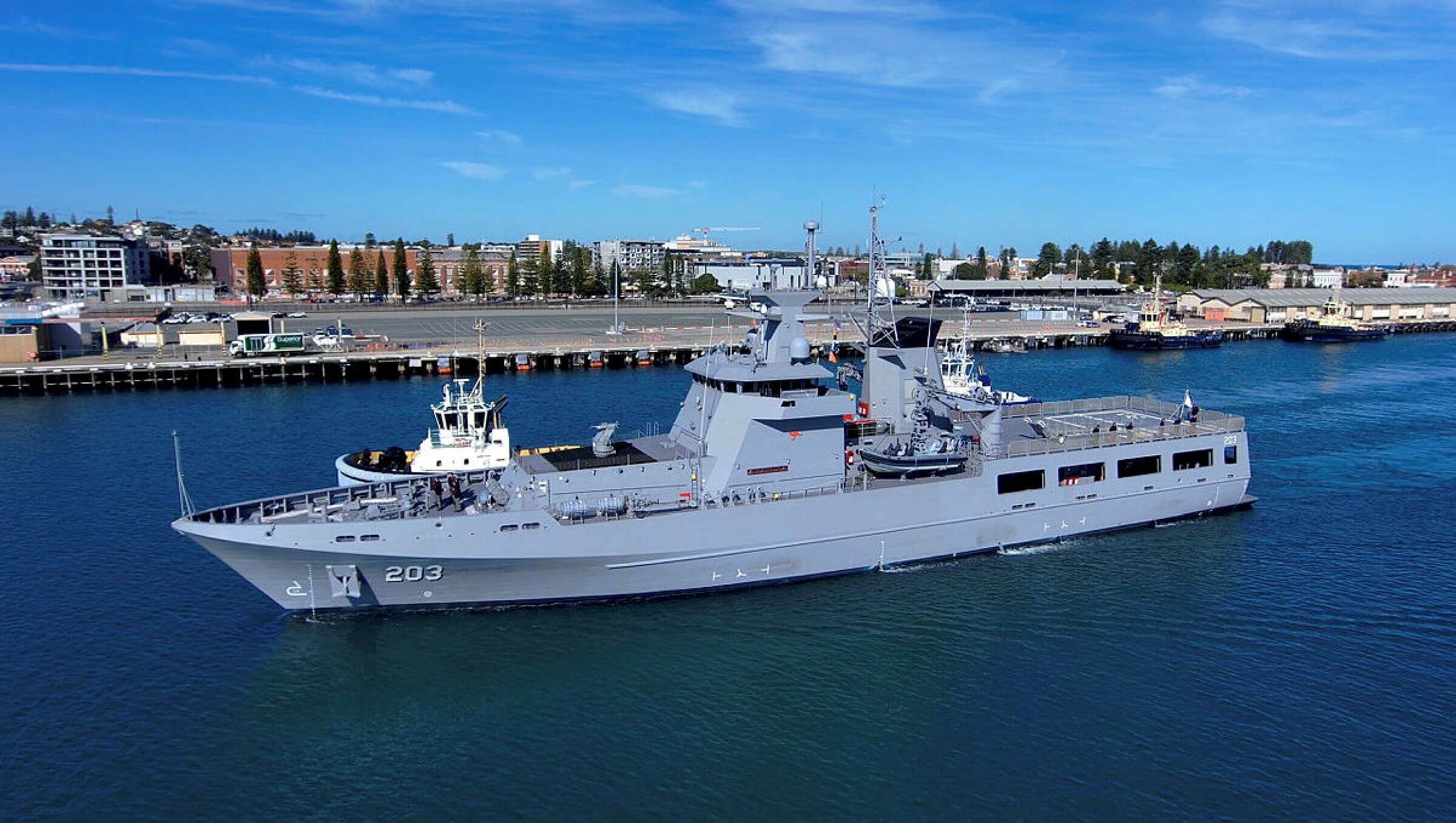
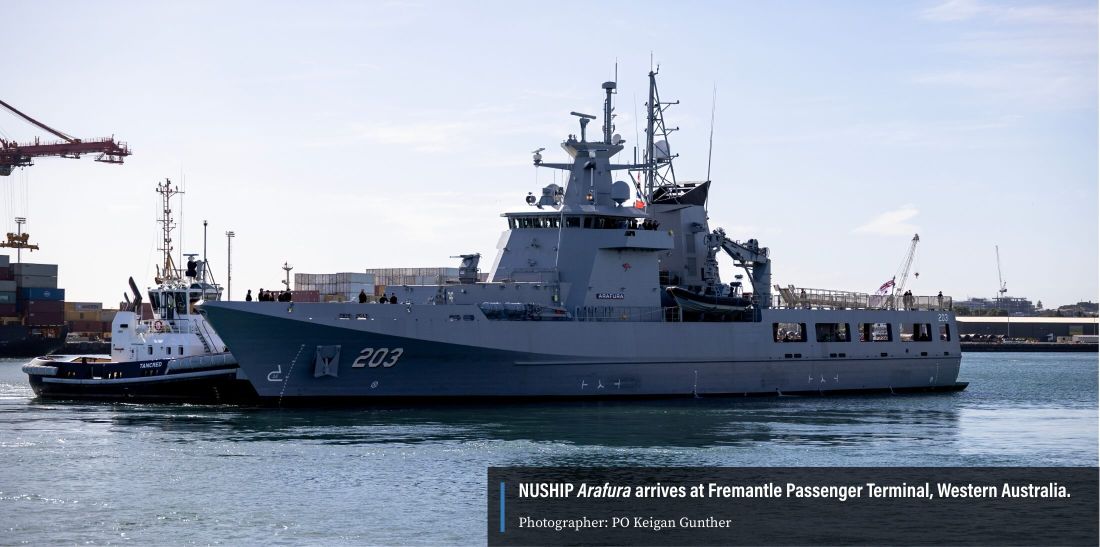
Australia’s path to a new generation of offshore patrol vessels began with the recognition that the Navy’s Armidale and Cape Class boats were reaching the end of their useful lives. While these fleets had served with distinction in protecting Australia’s vast maritime borders, the demands of contemporary operations – from fisheries protection to regional security cooperation – required more capable, adaptable ships. The answer was the Arafura Class: a program designed not just to provide replacements but to create a sustainable shipbuilding industry in Australia and deliver a sovereign capability that could evolve with changing circumstances.
Yet the process of taking a ship from blueprint to operational service is rarely straightforward. The Arafura Class has been shaped as much by the discipline of test and evaluation as it has by steel and rivets. Modern naval vessels are no longer just platforms with engines and weapons bolted on. They are complex ecosystems, bringing together propulsion systems, advanced communications, navigation, combat management software and the sailors who will operate them. Ensuring all these parts function as a coherent whole demands years of meticulous oversight.
The Arafura Class has been shaped as much by the discipline of test and evaluation as it has by steel and rivets.”
AdvertisementAdvertisement
That is where companies such as Nova Systems have played a decisive role. Having supported the SEA 1180 program for more than seven years, Nova’s maritime team worked hand in hand with the Naval Shipbuilding and Sustainment Group to provide deep expertise in naval architecture, engineering management, logistics and seaworthiness assessments. Most importantly, they were central to the acceptance activities that ultimately determined whether the first ship in the class could be handed over to Defence.
James Luck, Nova Systems’ maritime portfolio manager, explains it simply: “Our involvement in this project underscores our commitment to delivering high-quality, reliable capabilities to the Australian Defence Force. All involved should be proud of their significant contribution to the enhancement of Australia’s naval and shipbuilding capabilities.”
Behind that statement lies years of rigorous testing and evaluation. Nova Systems oversaw the integration of systems on the vessel – a painstaking process that ensured radar, communications, weapons and propulsion all worked not just independently, but together as a fully functional capability. Without this discipline, ships can be delivered on time and still fall short of the operational requirements. With it, the Navy gains the assurance that its new vessels are genuinely fit for purpose.
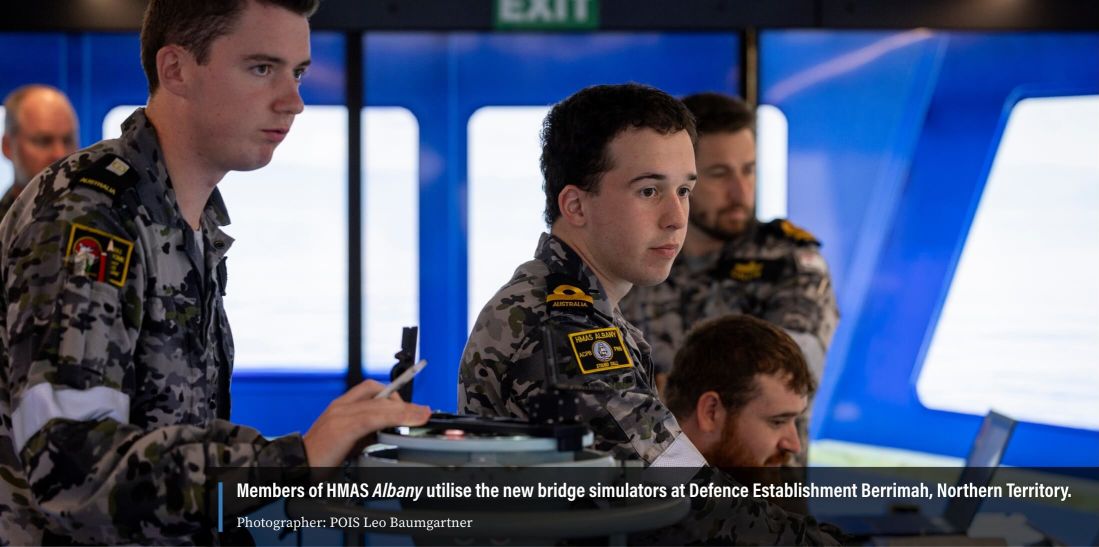
Raytheon Australia has also been a critical partner in this journey. As the Minor Vessel Capability Life Cycle Manager, the company’s task is to make sure that the Arafura Class can be sustained, supported and kept operationally ready for decades to come. That means preparing the logistics, training and maintenance systems before the ships even reach the fleet, ensuring there is no capability gap between delivery and deployment.
“Our dedicated team has been working closely with the MV SPO, enterprise partners and industry to ensure a robust support system environment is in place that will assure and strengthen the OPV’s seaworthiness, ship availability and readiness for the Navy’s mission,” Raytheon says. Their involvement shows how contemporary test and evaluation extends beyond sea trials, continuing into the sustainment phase that will determine whether these ships remain reliable in service.
For the Navy, the acceptance of NUSHIP Arafura is a tangible milestone. But for Defence more broadly, it also tells a larger story about how Australia modernises its armed forces. Gone are the days when ships could be launched and only then put to the test. Today, test and evaluation is woven into every stage of the acquisition cycle, from design validation through to delivery. It is a discipline that reduces risk, saves money, and most importantly, ensures the Navy gets the ships it needs to do its job.
The Arafura Class is not the largest or most complex platform the Navy will field in the coming years. Nuclear-powered submarines, future frigates and advanced combat systems will dwarf its complexity. But in many ways, the OPV program provides the proving ground for the discipline of contemporary test and evaluation. It shows how Defence and industry can work together to not just build ships, but to deliver operational capability.
As the first Arafura prepares for service, its journey demonstrates that Defence modernisation is not defined by milestones alone. It is measured by the painstaking work of testing, validating and evaluating, ensuring that every ship, system and sailor is ready for the mission ahead. For Australia, in an increasingly uncertain Indo-Pacific, that assurance may prove to be its most valuable capability of all.