

From the Second World War through to modern freedom of navigation patrols in the South China Sea, maritime power projection and sea denial have been decisive in shaping Australia’s strategic options.
Today, with intensifying great power competition and the increasing complexity of naval platforms, the role of test and evaluation (T&E) in the maritime domain has never been more critical.
Yet, while there is widespread recognition of the need for advanced submarines, frigates and autonomous systems, there is often less public attention on the less glamorous but equally decisive task of ensuring these capabilities are properly tested, evaluated and integrated into the force.
T&E is, at its heart, about trust. When a ship deploys into contested waters or a missile is launched in anger, commanders must be confident that systems will perform as intended under the most demanding circumstances.
Without rigorous T&E, even the most advanced platforms risk becoming liabilities. In an age of accelerated acquisition cycles, increasing reliance on software-driven systems and tighter workforce constraints, the ability to conduct contemporary T&E at scale is a strategic enabler in its own right.
Nowhere is this more apparent than in the maritime operating environment.
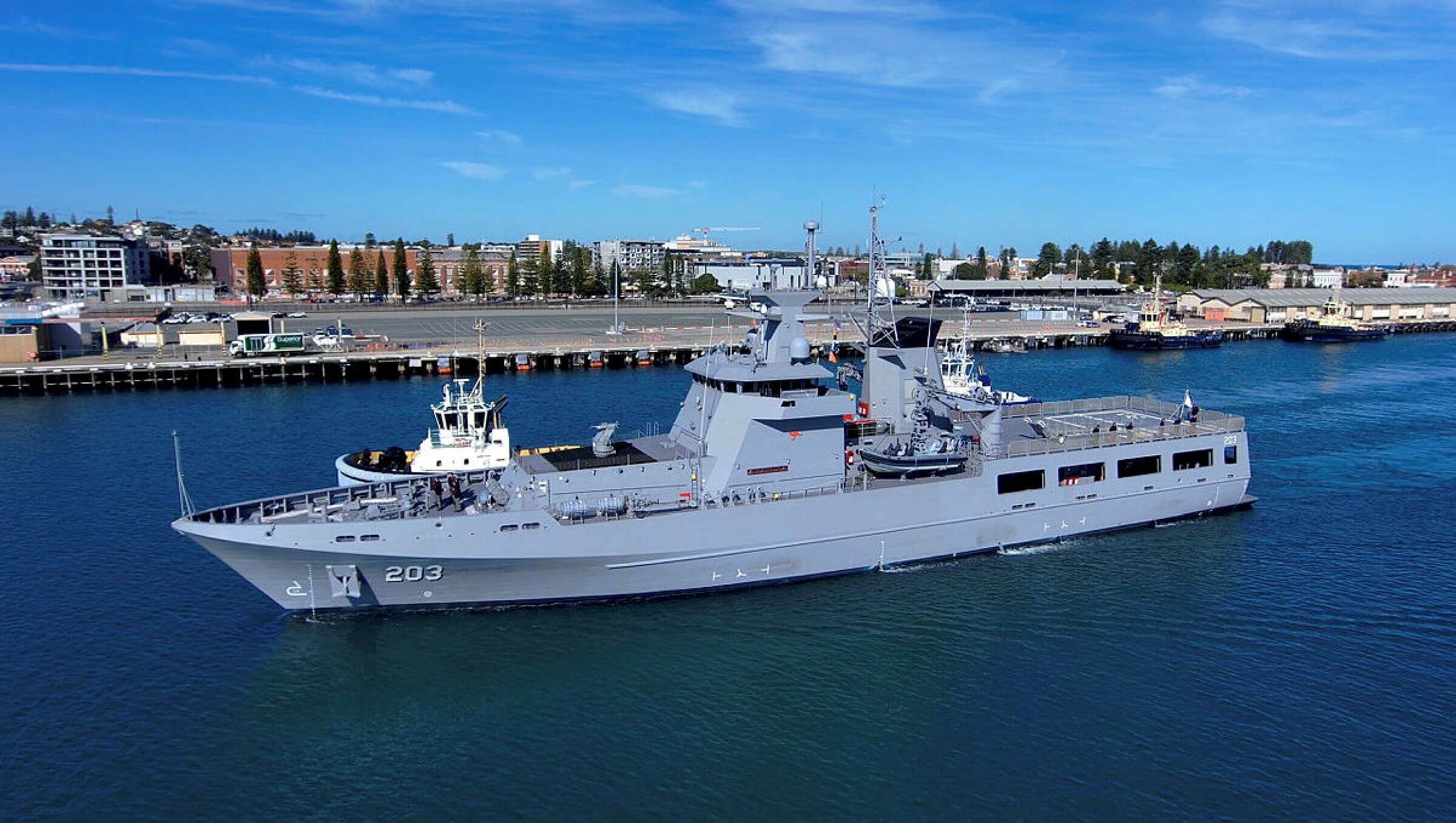
The Royal Australian Navy (RAN) is undergoing a generational transformation: new Hunter Class frigates, nuclear-powered submarines under AUKUS and a growing ecosystem of autonomous surface and subsurface vehicles.
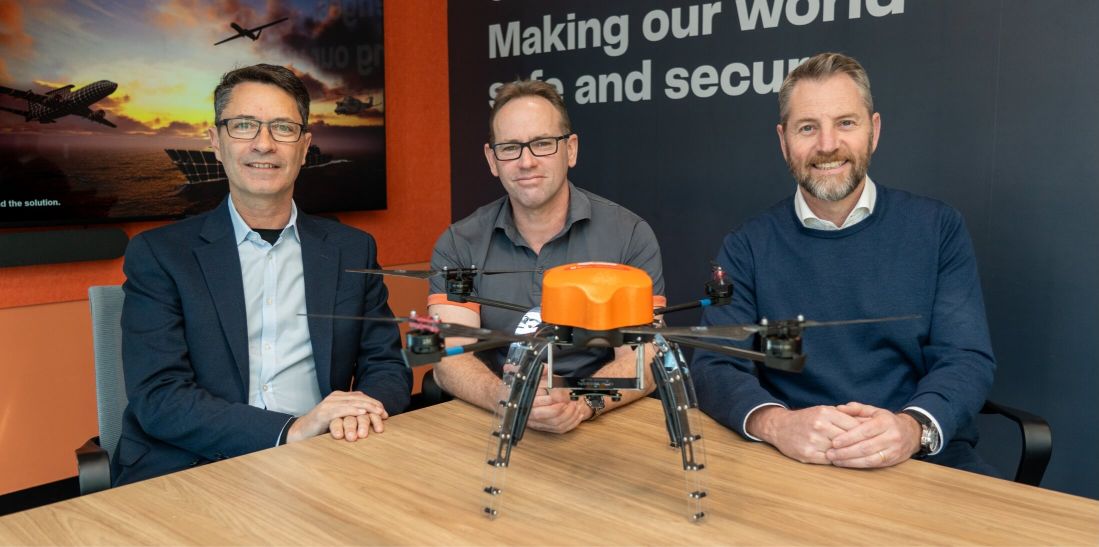
Speaking to Defence Connect, Tim Grabert, Nova Systems test and evaluation capability lead, stresses the importance of modernising and expanding the nation’s sovereign test and Evaluation capability ahead of this generational uplift in defence capability.
Grabert says, “The transformation plan of Navy, for example, really puts a limelight on the need to have a sustainable test and evaluation workforce. I think the geopolitical situation has really emphasised that we need a sovereign and capable and sustainable workforce.”
Each of these systems must not only be validated individually but also integrated into a joint and coalition force environment that is itself becoming more complex and digitally driven.
Interoperability with the United States, the United Kingdom, Japan and key Indo-Pacific partners demands not just shared doctrine but verified performance across communications, weapons and sensor systems.
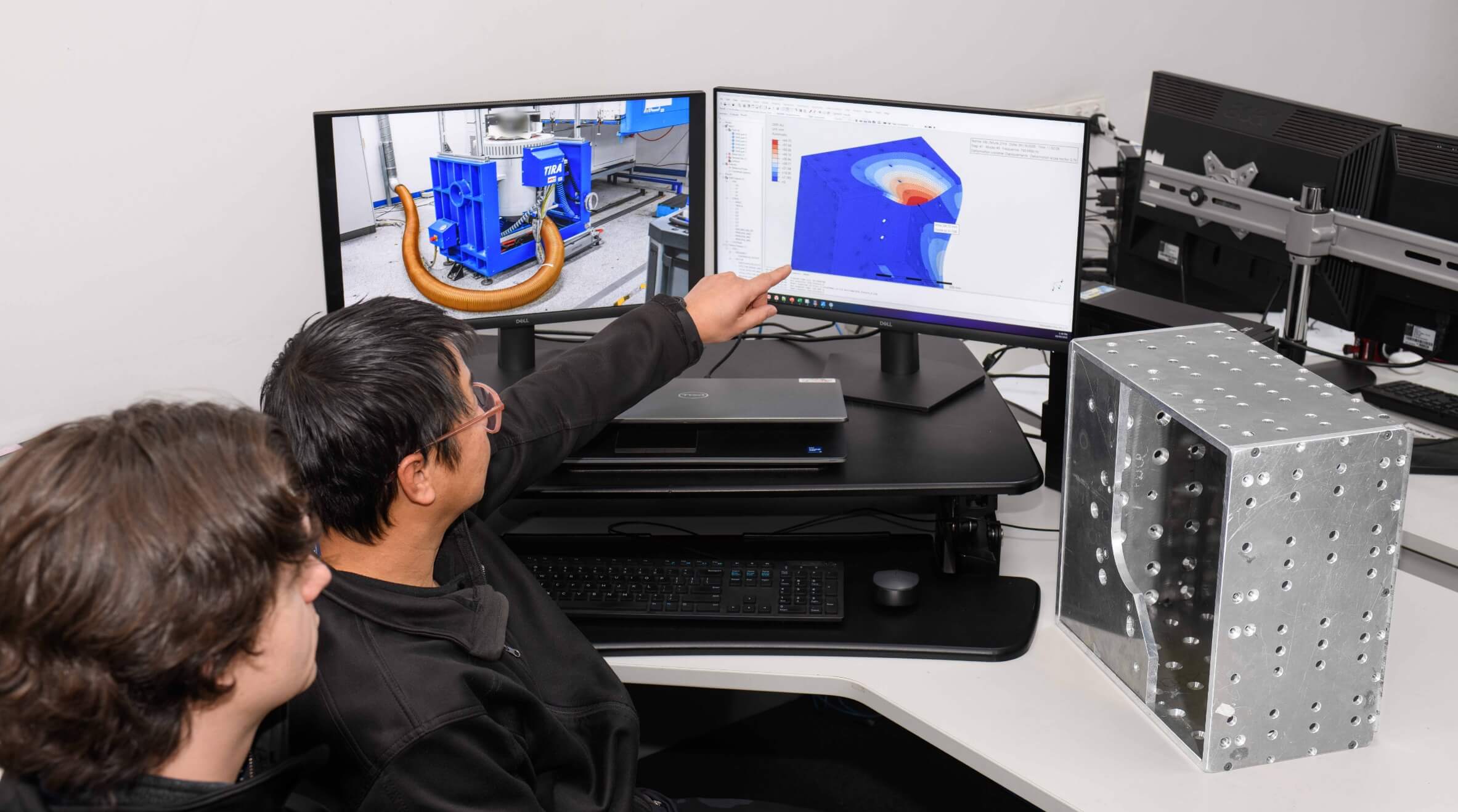
Contemporary T&E in this environment requires moving well beyond traditional sea trials and acceptance tests. Increasingly, virtual and constructive simulations are being integrated with live testing to create a more comprehensive picture of system performance.
Digital twins, virtual replicas of ships, weapons and combat systems allow evaluators to trial upgrades and identify vulnerabilities before they reach the fleet. This is particularly important for cyber resilience, where the threat environment evolves far faster than conventional shipbuilding timelines.
Grabert explains, “Whether we test systems of systems in the virtual world or in the real world, platforms and systems need to be integrated at the speed of the threat.”
Whether we test systems of systems in the virtual world or in the real world, platforms and systems need to be integrated at the speed of the threat.”
- Tim Grabert
If Australia is to ensure survivability and lethality in a contested maritime environment, then investment in advanced T&E infrastructure, ranging from instrumented ranges to high-fidelity modelling and simulation environments, is indispensable.
Yet infrastructure alone is not enough. A highly skilled workforce is the linchpin of effective T&E.
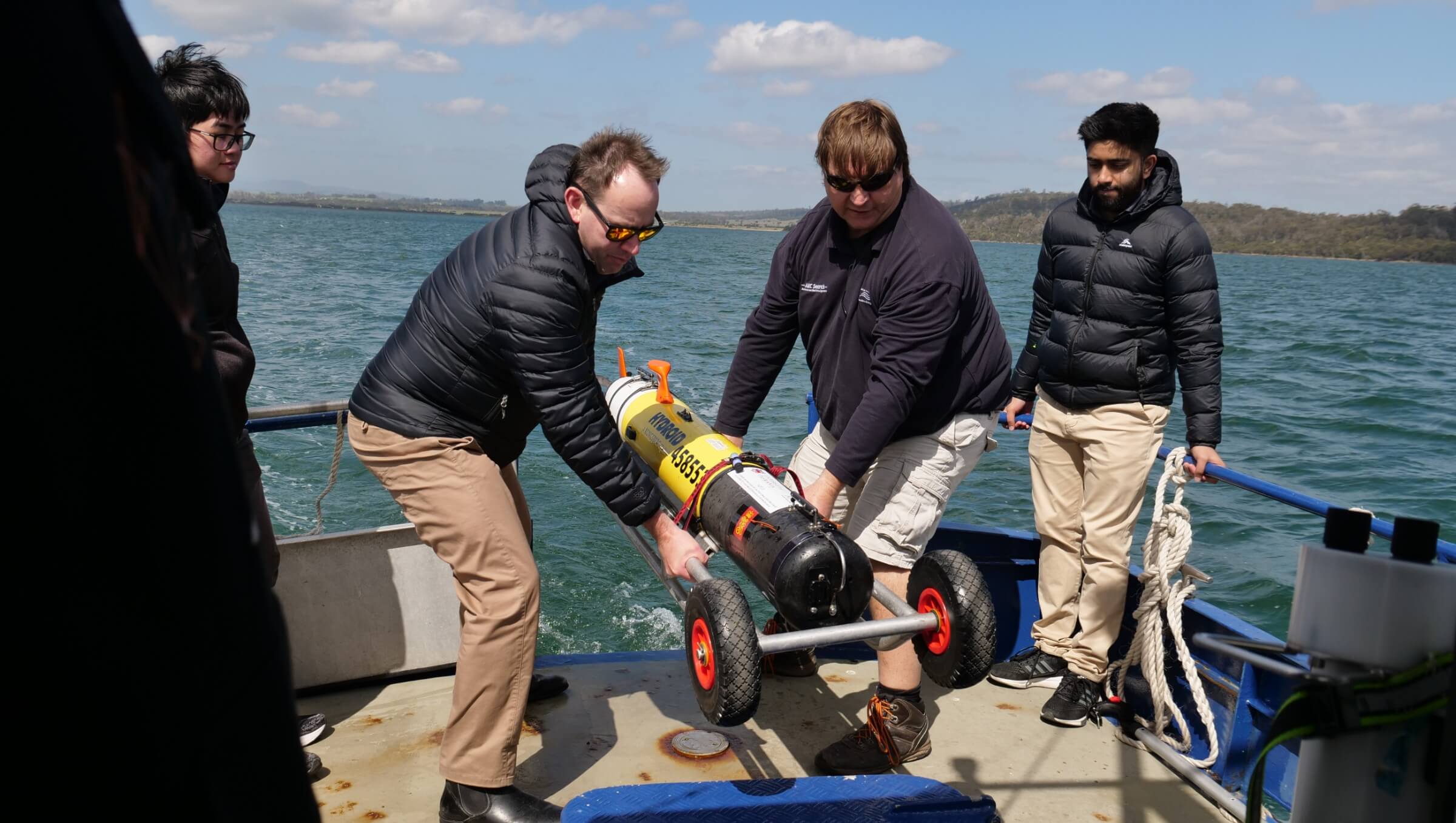
Reinforcing the importance of a “future-ready” T&E workforce, Chris White, AMC Search manager, Defence Autonomous Systems Engineering and Consultancy, tells Defence Connect, “Something we need … is to really understand the longer term outlook around the skills that Defence is looking for … so that we can invest in, build a workforce and then retain that workforce.”
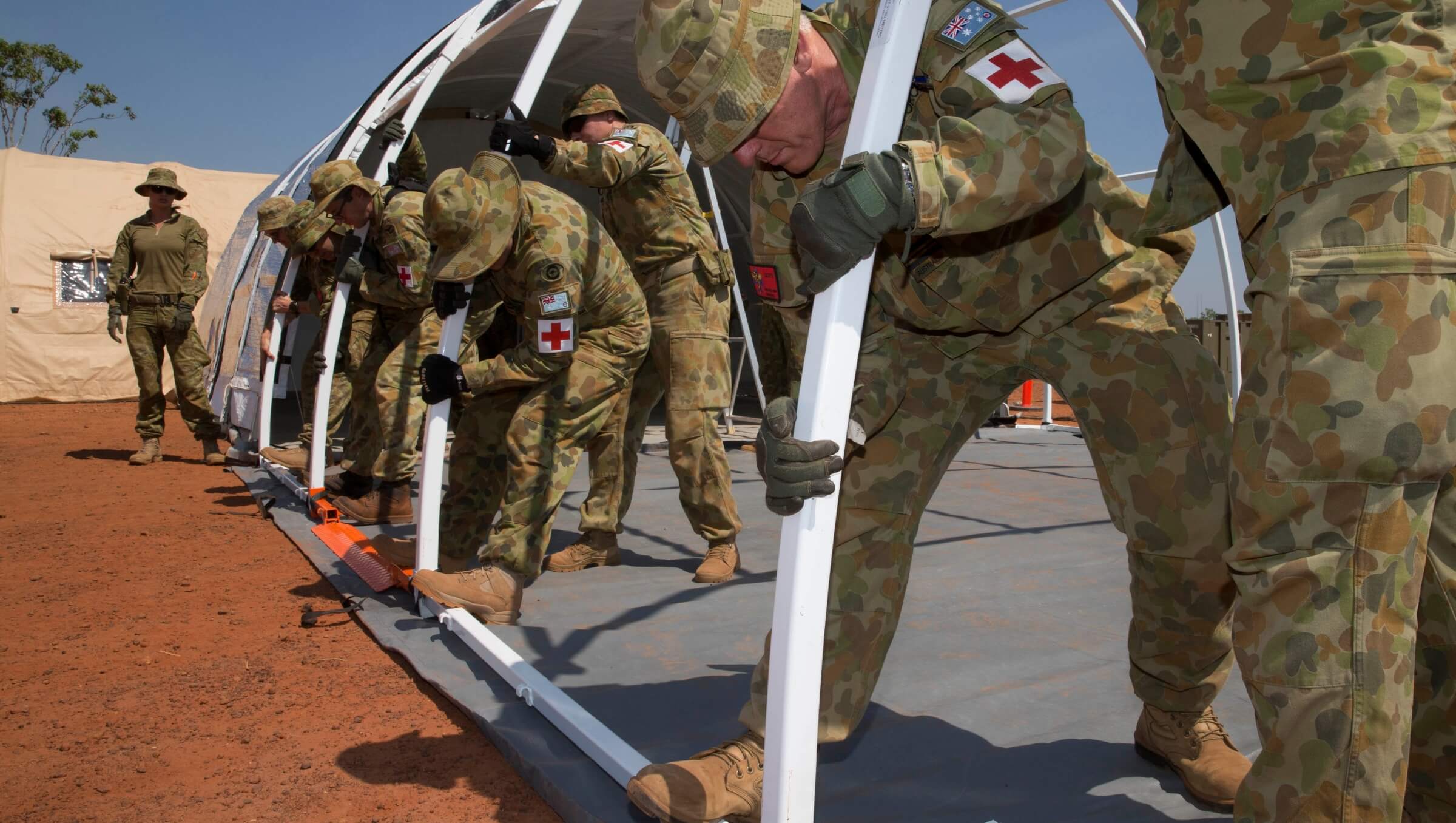
White adds, “We’ve had great success with partnering up brand new graduates with the so-called grey beards that bring the deep operational experience … our most effective and our most relevant T&E teams are very much a mix of brand-new graduates … and our service people that bring the deep operational knowledge.”
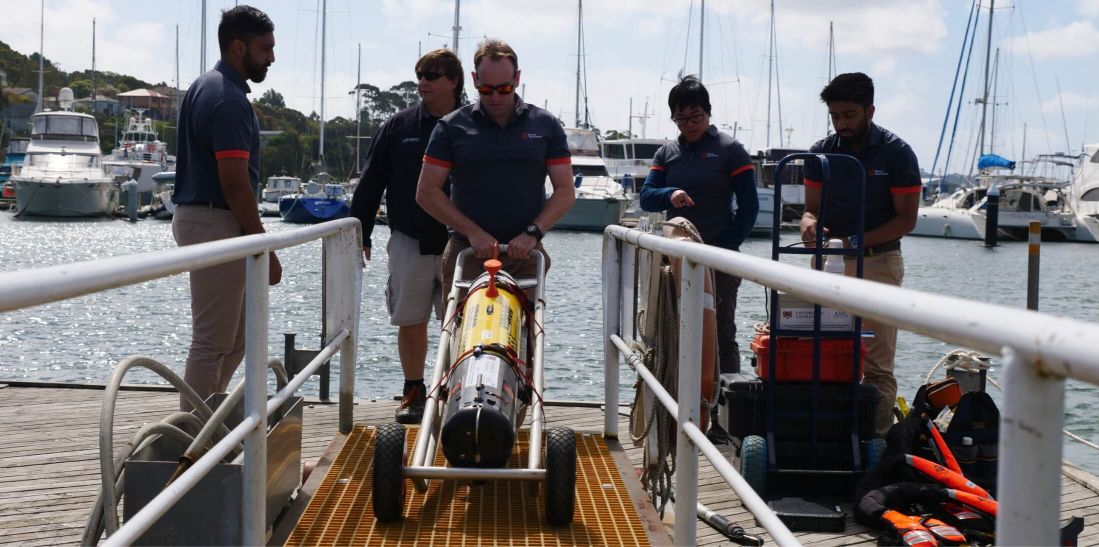
Australia faces a well-documented challenge in sustaining defence industry and naval shipbuilding skills, but the requirements for T&E are even more acute. Specialists must combine deep technical knowledge spanning naval architecture, software engineering, hydrodynamics and combat systems integration with operational understanding of how capabilities will actually be employed at sea.
This blend of expertise is not easily generated and retention is a constant battle given competition with the private sector and international partners.
Workforce development initiatives are therefore essential. This means creating career pathways within Defence and industry that value T&E expertise as much as command or acquisition roles.
It means expanding opportunities for postgraduate education and technical upskilling in areas such as systems engineering, data analytics and cyber assurance. It also requires embedding T&E professionals early in acquisition projects rather than treating evaluation as an afterthought at the end of the delivery cycle. By doing so, Australia can adopt a “test as you go” approach that identifies integration issues early, reducing cost overruns and delays while improving operational readiness.
In the maritime context, workforce initiatives must also be closely tied to seagoing experience. A T&E engineer who has never spent time on deployment may not fully grasp the practical realities of operating complex systems in rough seas or under threat.
Conversely, naval officers with operational experience but limited technical grounding may struggle to appreciate the nuances of software vulnerabilities or electromagnetic compatibility. Bridging this gap requires a deliberate effort to create hybrid skillsets, potentially through rotational postings between the fleet, defence industry and dedicated T&E organisations.
Michael Mulquiney, ITPS head of UAS training and operations, stressed the importance of a hybrid approach to building the technical grounding for the workforce, telling Defence Connect, “The T&E problem Defence has is far too large for any one person, even a prime … there’s no substitute for experience. And whether that experience … sits within the practising of T&E or the specialist knowledge on UAS or autonomous underwater vehicles … I don’t think any one person’s got all the answers.”
There is also a clear opportunity for Australia to leverage its geography. The vastness of the continent and surrounding ocean offers natural advantages for establishing world-class test ranges, particularly in northern Australia.
Long-range missile testing, undersea system trials and joint force experimentation can all be conducted at scale in relatively uncongested environments, providing a comparative advantage over many partners.
Developing these facilities not only supports Australian capability but also positions the nation as a trusted hub for allied T&E activities, reinforcing interoperability and burden-sharing across the AUKUS and broader Indo-Pacific frameworks.
Importantly, contemporary T&E is not solely about validating new platforms. It is equally about continuous evaluation of existing capabilities to ensure they remain relevant in a rapidly changing environment.
The threat posed by swarming unmanned systems, hypersonic weapons and grey zone coercion demands an adaptive force. This adaptability can only be realised through a culture of iterative testing and learning, where lessons from exercises and operations are rapidly fed back into both platform design and concept development.
Grabert says, “Systems need to be proven quickly or failed fast, and that means conducting test and evaluation activities in a safe environment, in a safe manner where they expect to push the limits of their system … and either prove it or see it fail, which is still a useful data outcome.”
Ultimately, T&E and workforce development are not peripheral enablers but central pillars of maritime capability. They underpin the credibility of deterrence by ensuring that Australia’s naval forces can be trusted to perform when it matters most.
They reduce strategic risk by uncovering vulnerabilities before adversaries can exploit them. And they contribute directly to national resilience by cultivating a skilled workforce capable of sustaining high-technology systems over decades.
As Australia embarks on one of the most ambitious maritime modernisation programs in its history, the importance of contemporary T&E and workforce development cannot be overstated.
Investment in ships and submarines will only deliver true capability if matched by equal commitment to testing, evaluation and the people who make it possible.
In the unforgiving environment of maritime operations, there are no second chances, only the certainty that preparation, rigour and expertise will decide whether the fleet can prevail in the storm ahead.