

The region has become a focal point for geopolitical competition, with strategic waterways, territorial disputes and military build-ups heightening the risk of conflict. In this landscape, the need for a robust and flexible defence capability has never been more pressing.
Fixed-wing naval aviation, operating from aircraft carriers or large-deck amphibious ships, presents a critical asset in Australia’s ability to project power, maintain a forward presence and respond to emerging threats. Fixed-wing aircraft provide unparalleled advantages in maritime surveillance, air superiority, strike capabilities and rapid response operations. Unlike land-based aircraft, carrier-borne fighters and surveillance platforms can operate closer to potential flashpoints, reducing reaction times and enhancing deterrence.
The ability to deploy air assets at sea also ensures greater operational reach, particularly in the vast expanses of the Indo-Pacific, where the tyranny of distance often limits conventional airpower. As regional powers expand their carrier capabilities and assertive maritime postures, Australia must consider whether its own force structure is sufficient to meet emerging challenges. Investing in fixed-wing naval aviation would not only strengthen the Australian Defence Force’s (ADF) operational flexibility but also reaffirm Australia’s commitment to regional stability and security in an increasingly contested Indo-Pacific.
We have a prime minister misleading the public and not across his brief, while his defence minister plays down national security issues.”
- Opposition Defence spokesman Andrew Hastie
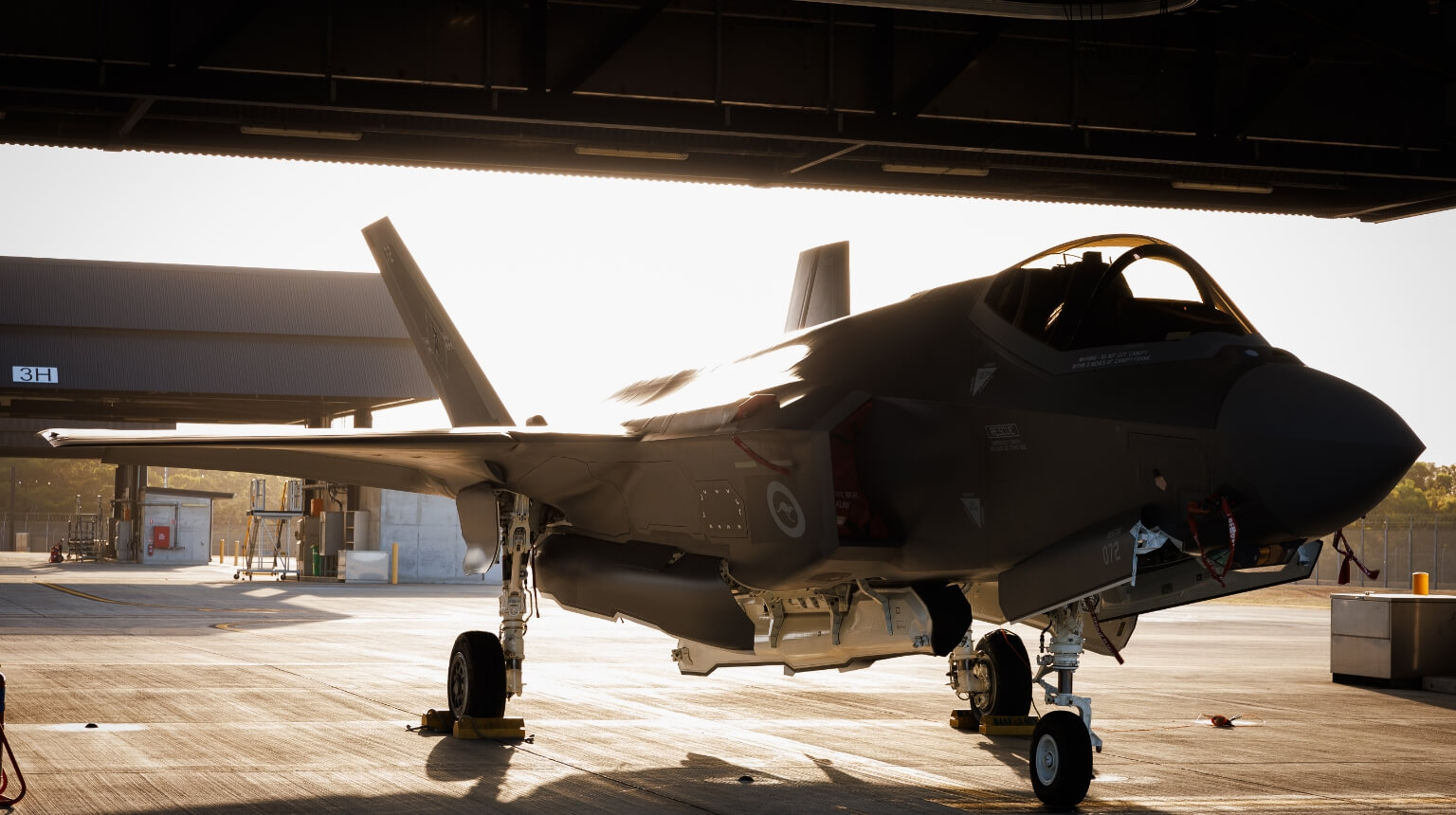
Most recently, China’s naval expedition to circumnavigate the Australian landmass and the circumstances surrounding the detection and interdiction of the taskforce have shed light on just how vulnerable Australia appears to be. In response, the Coalition announced a $3 billion election commitment to expand Australia’s F-35A Lightning II fleet by reinstating the acquisition of a fourth squadron, bringing the nation’s fifth-generation fighter fleet to 100, up from the current 72 F-35As.
Recognising this, opposition Defence spokesman Andrew Hastie has said, “We have a prime minister misleading the public and not across his brief, while his defence minister plays down national security issues. As an island nation in an increasingly contested Indo-Pacific region, it is essential that we are able to defend ourselves and protect our nation’s interests. Increasing our F-35 capability is an effective way we can do so.”
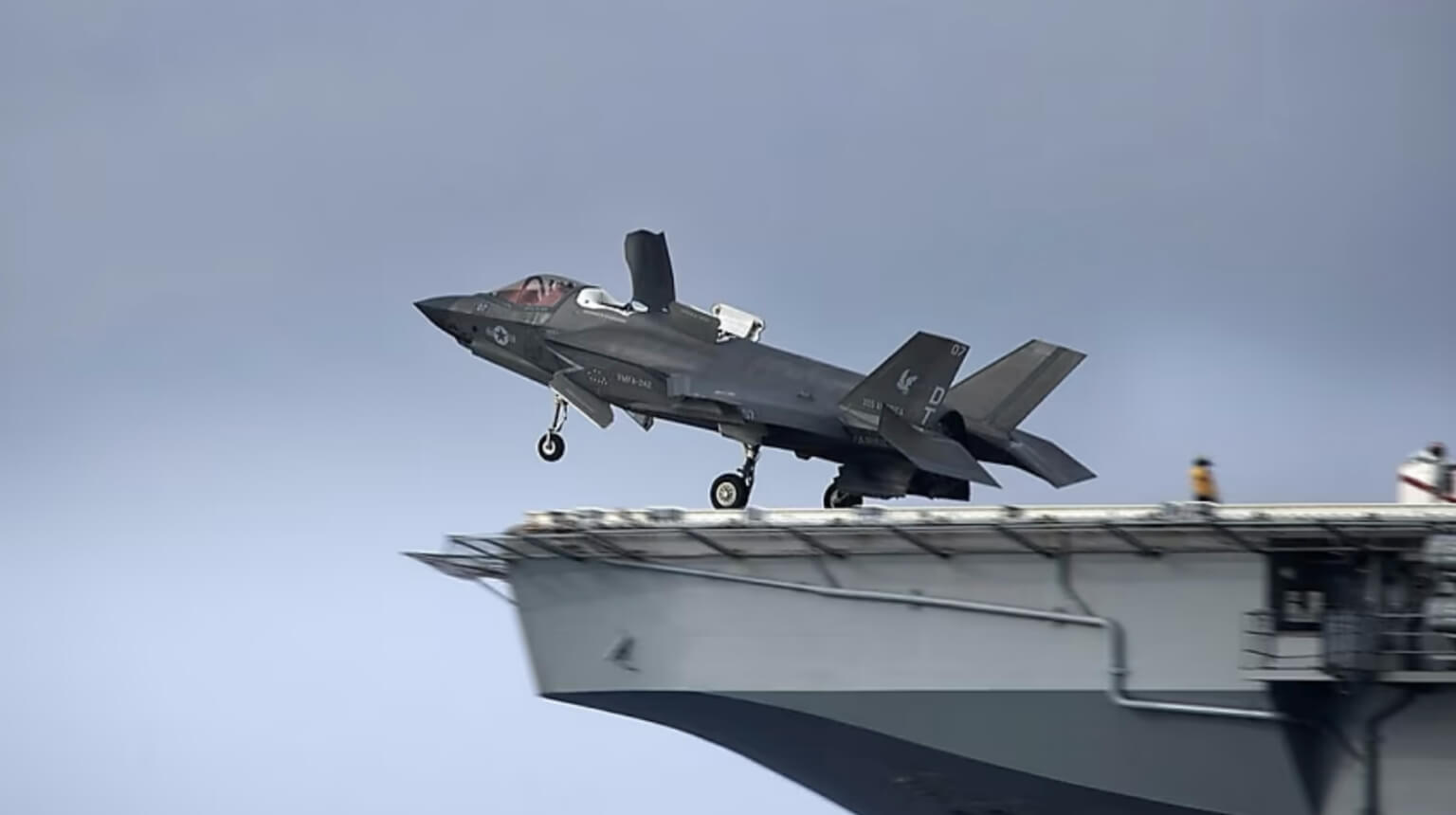
It is the final points of this statement that raise an important question: is an expansion of the F-35A capability the best use of our money, or would we be better suited investing in the F-35B to expand the reach and multi-domain deterrence capability of the Australian Defence Force as an “integrated, focused force”? Many a Defence Connect reader will no doubt be familiar with my long advocacy for the redevelopment of at least some small measure of a fixed-wing naval aviation capability for the Australian Defence Force as we face an ever-riskier threat environment, both close to home and across the region.
However, it isn’t entirely straightforward, as the Australian Strategic Policy Institute’s Dr Malcolm Davis says, “Under the previous Coalition government led by PM Scott Morrison, as stated in the then 2020 Defence Strategic Update and Force Structure Plan, the intention had been for Australia to acquire a fourth squadron of F-35A Lightning II Joint Strike Fighters (JSF), bringing the fleet up to 100 aircraft whilst retiring the F/A-18F Super Hornet fleet by the mid-2030s.”
“The 2023 DSR and the 2024 NDS and IIP saw the Albanese Labor government eliminate planned funding for a fourth squadron of F-35As and extend the life of the F/A-18F Super Hornet and the E/A-18G Growler electronic attack aircraft,” Davis adds.
However, simply committing to acquire the 28 F-35s that would make up the fourth squadron of Australian fifth-generation fighter aircraft is only part of the equation, and while important, given the rapid deterioration of the global environment and what can no doubt be a glimpse into the future, it is important to identify how these aircraft would, when combined with a host of other capabilities, figure into the nation’s “strategy of denial”, “impactful projection” and the development of an “integrated, focused force”.
Davis articulates this, posing an important question to Defence Connect, “Firstly, strategic context matters, where are the JSFs or other capabilities to be employed? In what possible operational contingencies and scenarios? Against which adversary (hint: it’s China)? And how can the ADF strengthen and enhance its airpower to allow greater burden sharing with the United States and other regional partners?
“Secondly, any capability choices must be fully funded, or they are meaningless. The Coalition must commit to significantly increase defence spending accordingly, not just to acquire additional JSFs but to respond more effectively to a rapidly worsening strategic outlook – a step that the current government seems to be moving only slowly to take.”
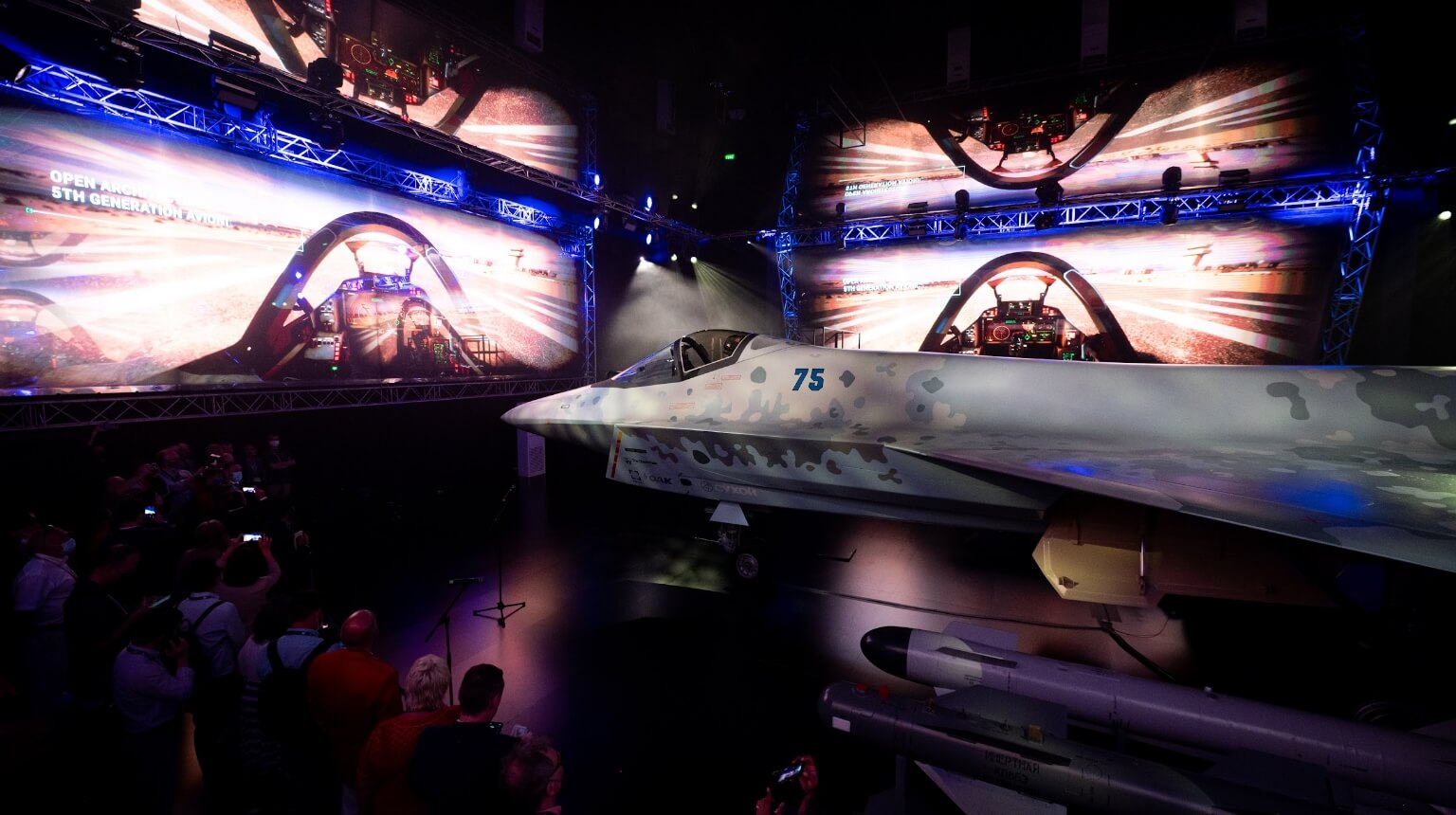
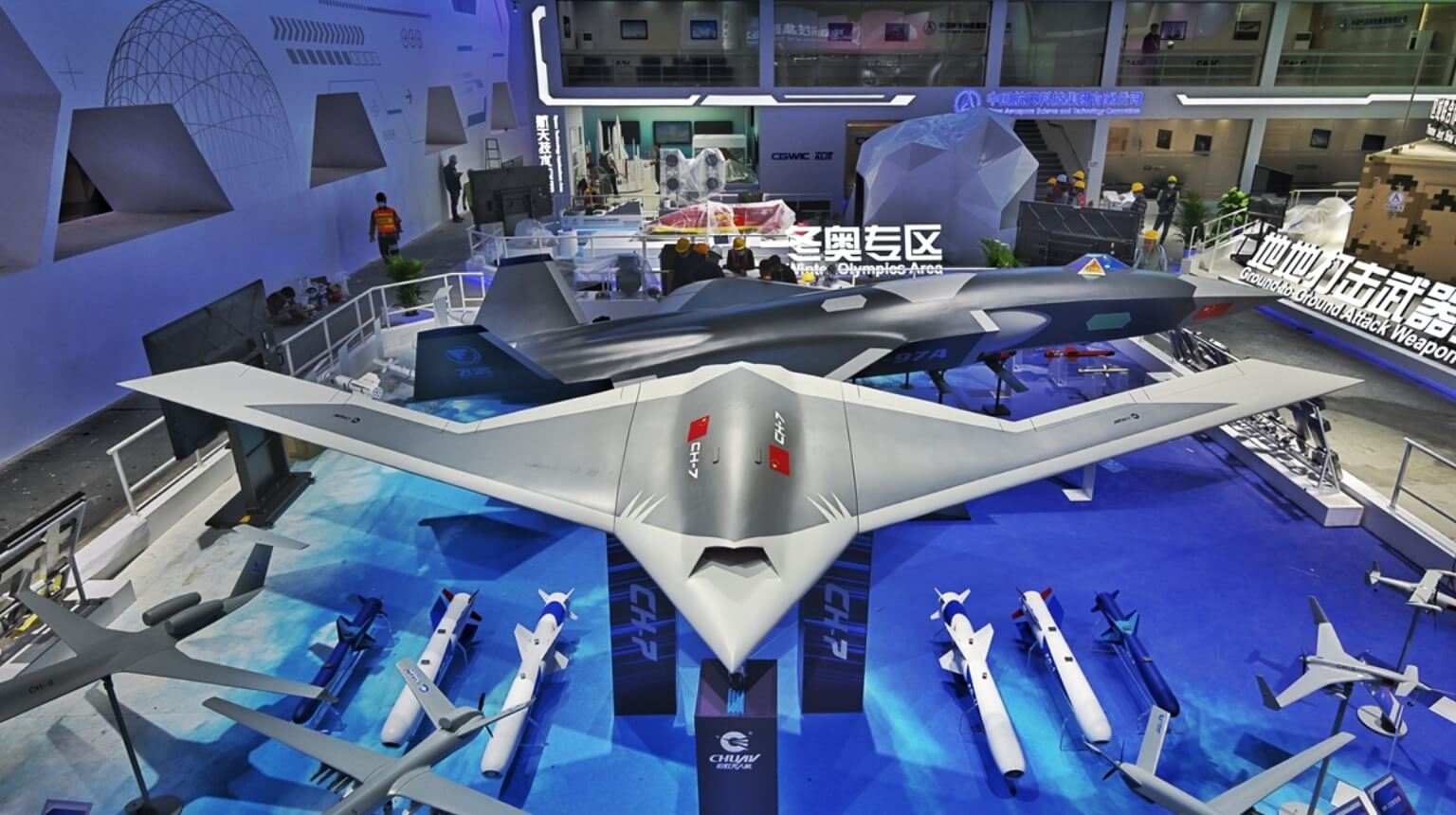
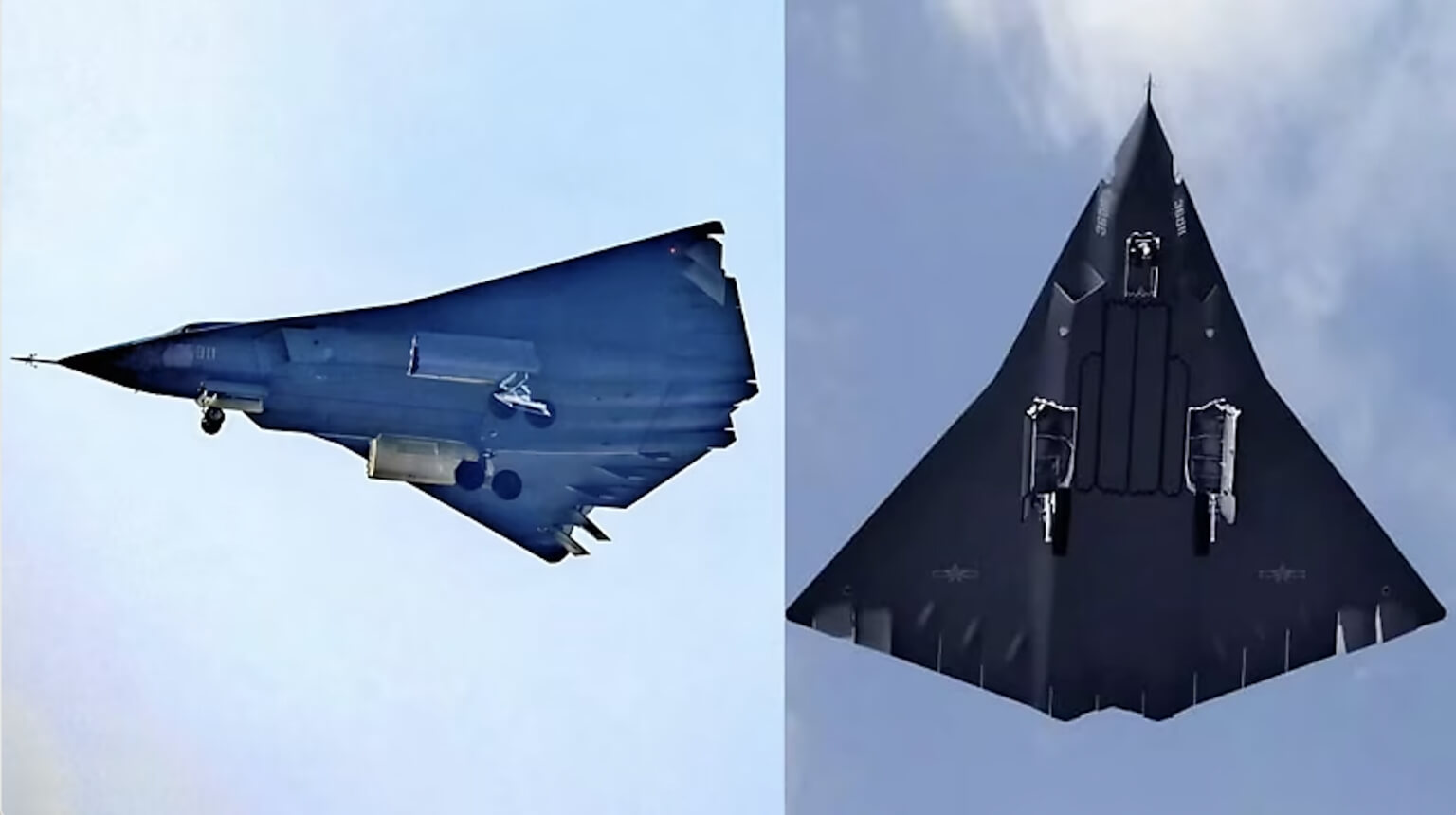
Adding an additional layer of complexity for policymakers is the rise of Collaborative Combat Aircraft, like Boeing’s MQ-28 Ghost Bat and similar such platforms being developed and fielded by potential adversaries, along with the recent revelation of Beijing’s own sixth-generation series of fighter aircraft that raise questions about the utility of fifth-generation fighter aircraft like the F-35.
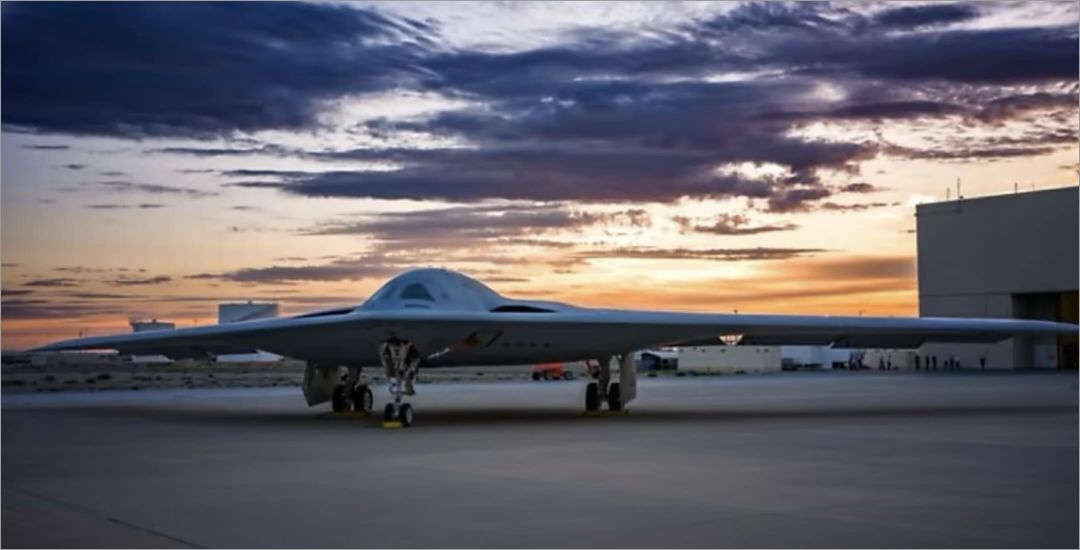
Beyond the immediate fighter fleet expansion, Australia must also consider its long-range strike capabilities. The B-21 Raider presents a transformative opportunity in this regard. A modest acquisition of B-21s could significantly enhance Australia’s ability to conduct deep-strike missions, project power at range and deter potential adversaries.
Unlike carrier-based fighters, the B-21 would allow Australia to conduct operations independent of foreign basing, providing a sovereign long-range strike capability that is crucial in an increasingly contested Indo-Pacific. Moreover, the integration of such a platform would complement existing air and naval assets, reinforcing Australia’s strategic posture while ensuring the ADF remains a credible deterrent force well into the future.
Dr Davis explains to Defence Connect, “The 2023 DSR also wrongly dismissed outright any possibility of Australia acquiring the B-21 Raider bomber and failed to provide any justification for such a decision. This is in spite of the B-21 being a platform that could significantly enhance the ADF’s ability to undertake deterrence by denial, and potentially mitigate risks associated with the Optimal Pathway under AUKUS Pillar 1. It would be welcome for the next government to reconsider this decision on the B-21 and undertake further consideration, including discussions with the Trump administration.”
While directed at the Coalition, it is safe to say that the same could be directly said of the government, should they be returned at the upcoming federal election.
Either way, the events of recent weeks mean Australia needs to get far more serious about our own security and defence capabilities, because as uncomfortable as it may seem, we will need to be capable of doing more on our own.