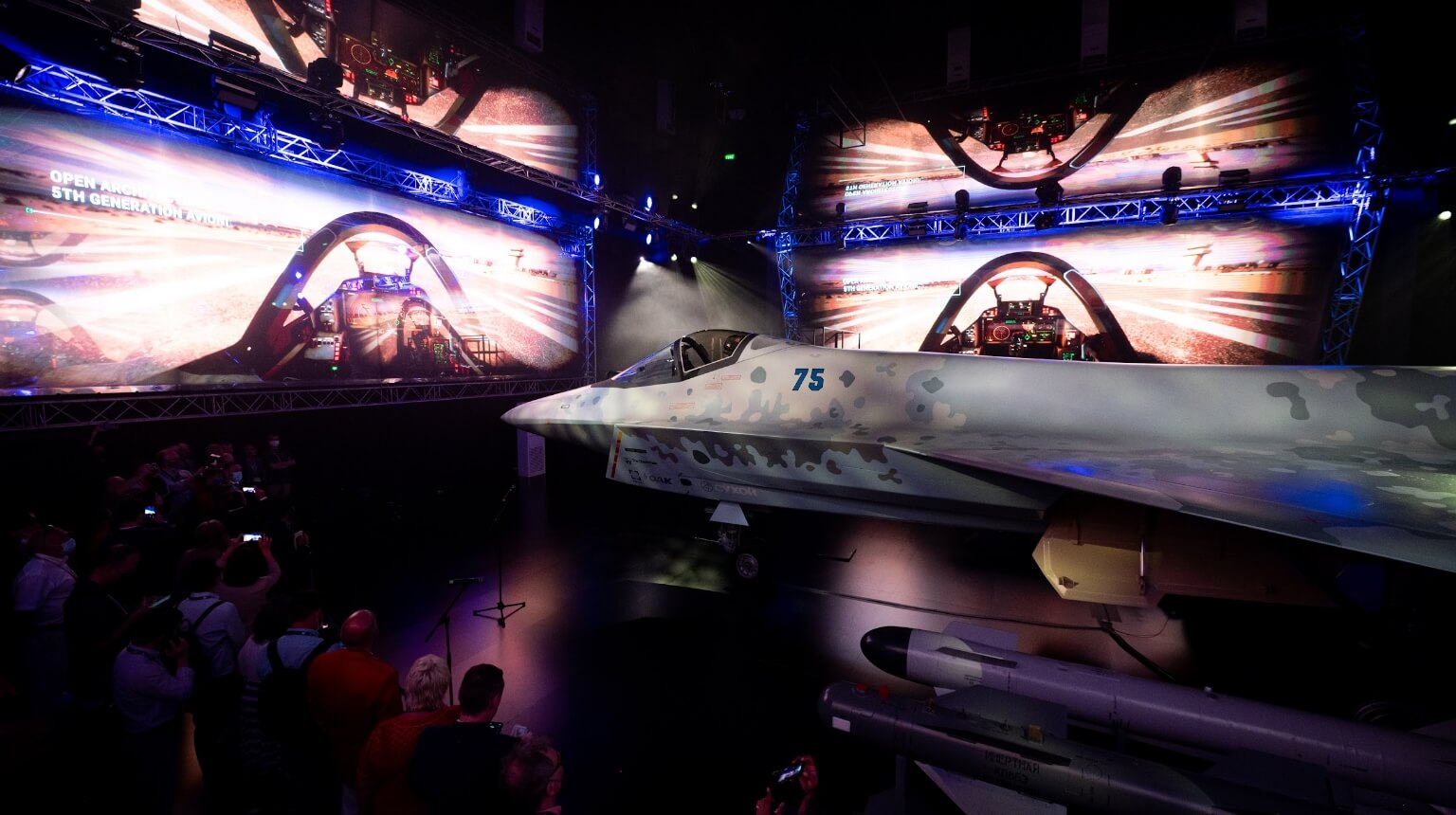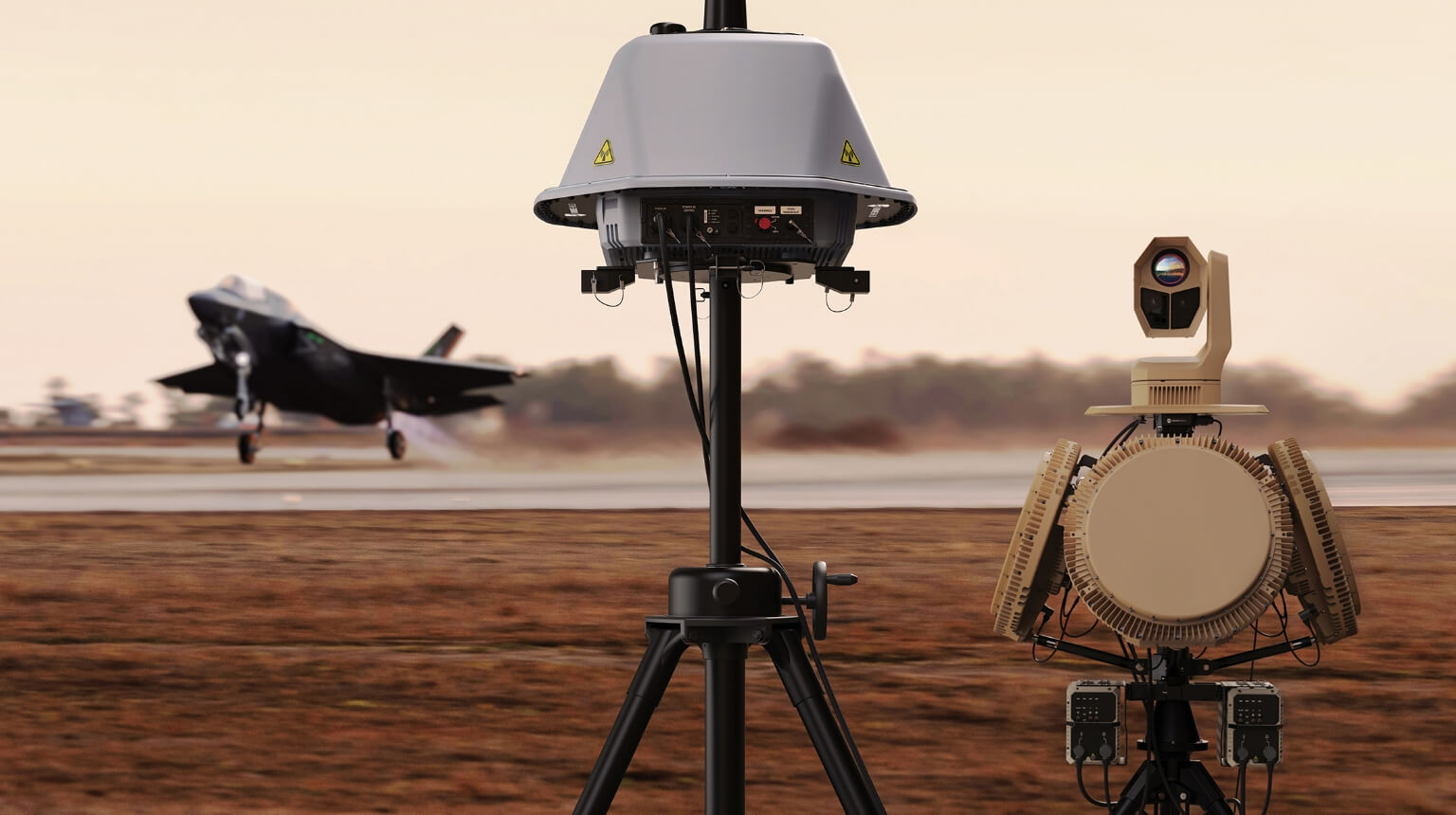


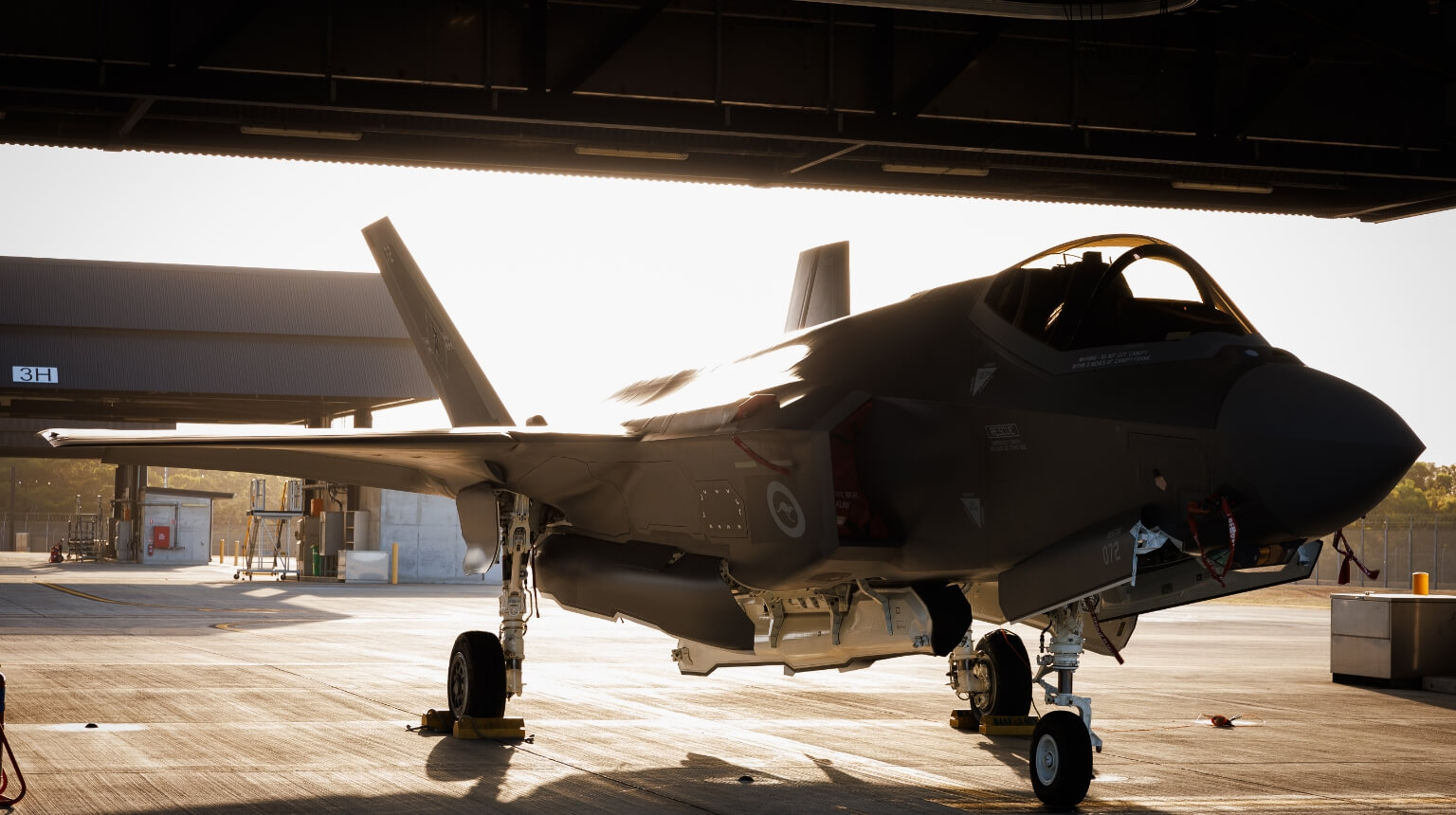
In December last year, a piece of aviation history quietly took place at Base Williamtown when the RAAF’s final F-35 touched down. The aircraft – A35-072, pictured on this page – was delivered by manufacturer Lockheed Martin and completes the fleet designed to replace Australia’s venerable Classic Hornets, which retired back in 2021. The arrival ends an exhaustive 25-year, $17 billion process of transitioning to the fifth generation of fighter aircraft.
And what an aircraft it is. Quite simply, the F-35A Lightning II is a jack of all trades and a master of them all. A Swiss Army Knife of a vehicle that defines itself as a fighter but can take on almost any mission conceivable. It can – deep breaths – locate enemy forces and jam their radars; share detailed comms with air, sea and ground; operate in stealth, even in unknown areas; and fly at Mach 1.6, long-range, even with a full complement of weapons and fuel.
It is, in a nutshell, the most technologically advanced piece of metal man has put in the air.
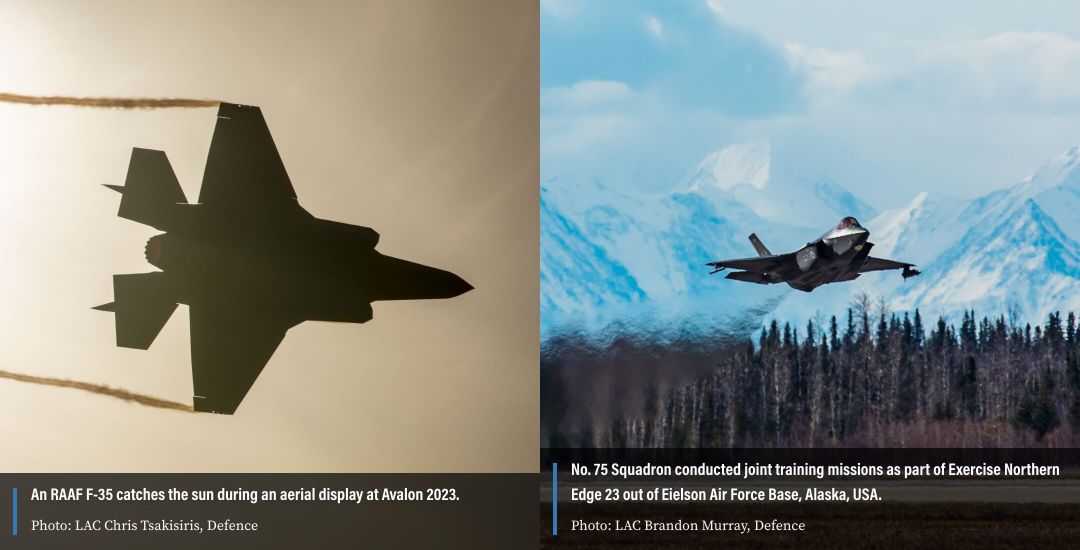

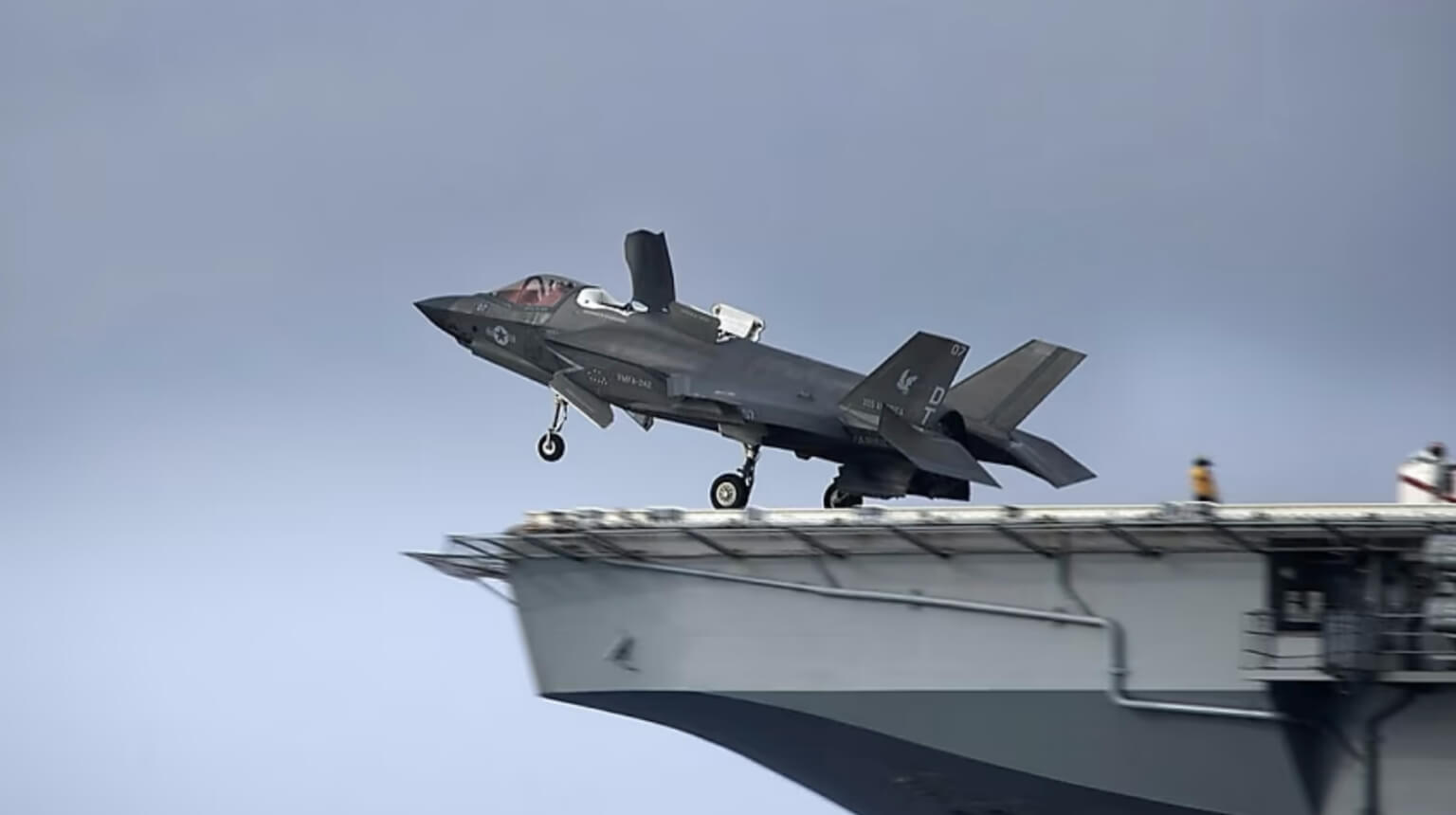
Currently, it comes in three variants: the F-35A – purchased by Australia – is the conventional take-off and landing version; the F-35B is the short take-off/vertical landing variant, while the final F-35C is the carrier type. Whisper it, but the coolest bit isn’t even the aircraft itself but the sci-fi helmet. Every piece of information a pilot needs to complete missions – speed, altitude, targets, etc – is projected onto the visor rather than on a traditional display in the cockpit. But it’s also intelligent enough not to bombard Top Guns with too much information, allowing them a 360-degree view of the battlefield so they can spot approaching enemies with their eyes.
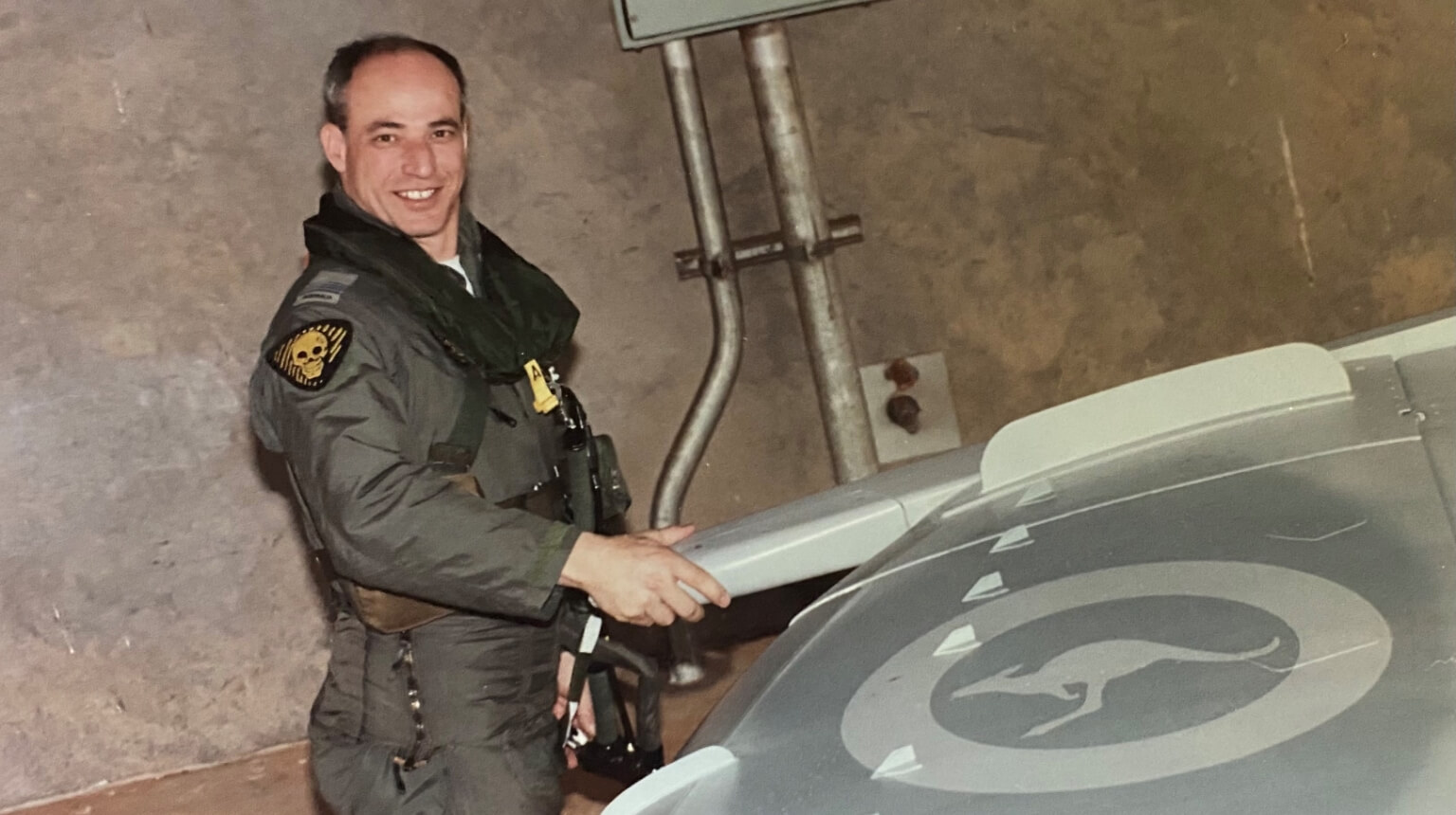
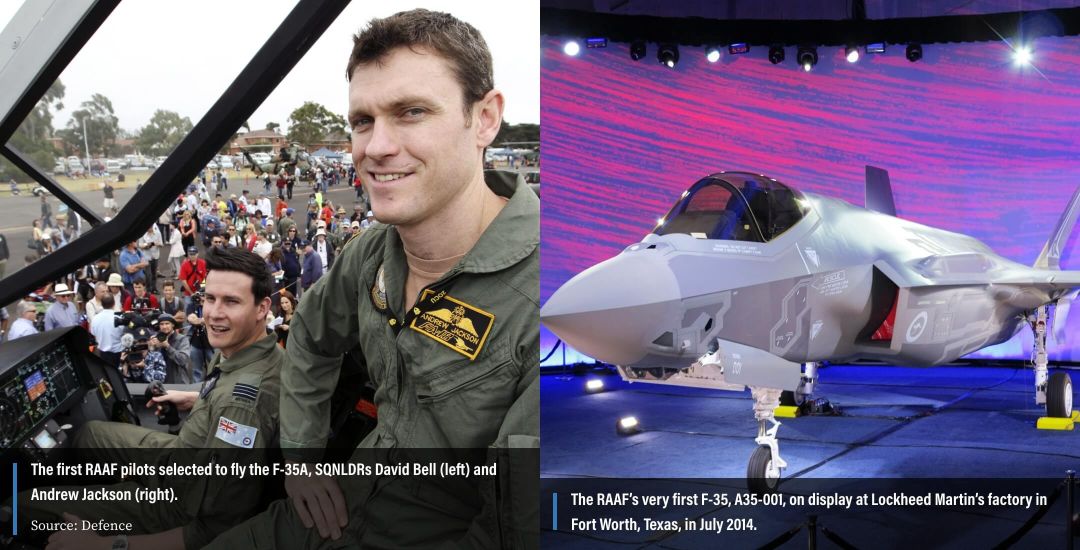
The RAAF’s history with the F-35 stretches back to 2002, when Australia became one of eight founding partners in the project, alongside the US, the UK, Italy, the Netherlands, Norway, Denmark and Canada. The decision to enter the System Development and Demonstration phase gave our Air Force a unique opportunity to shape its development. It wasn’t until 2014, though, that our first aircraft, A35-001, was unveiled at Lockheed Martin’s factory in Fort Worth, Texas, before being transferred a few months later to Luke Air Force Base near Phoenix, Arizona, for testing. Australia picked two of its best personnel, then squadron leaders Andrew Jackson and David Bell, to be the platform’s first pilots, but it took a further four years for the first two to touchdown on Australian soil. Today, the RAAF fields three squadrons from Base Williamtown and Base Tindal to fly its 72 aircraft.
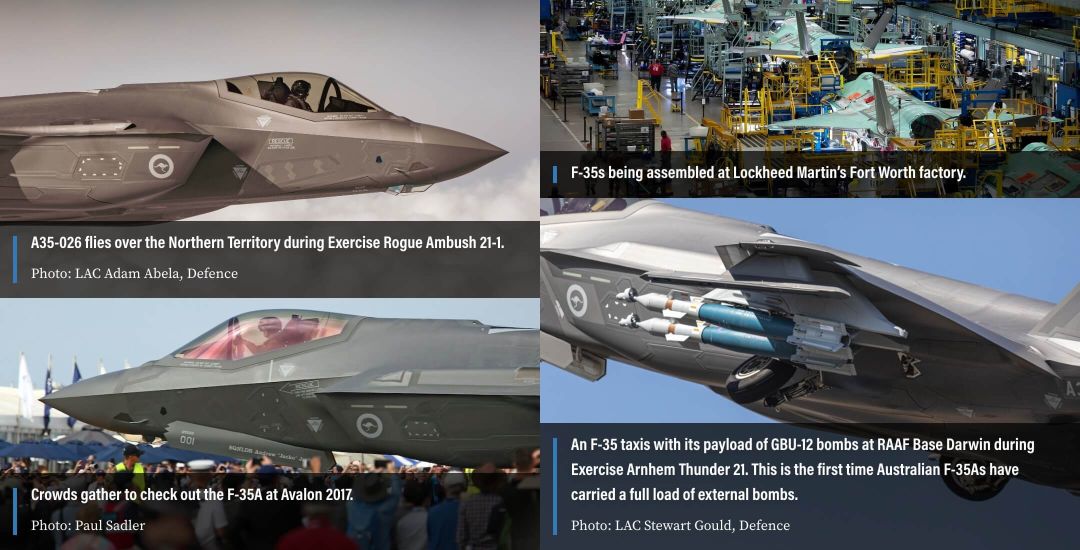
Already, plans are in place for the future. The final nine to arrive, for example, included a new “Technology Refresh-3” package, which includes spruiked up target recognition, upgraded jamming and improved cyber security. And, more excitedly, Australia has awarded an $850 million contract to Kongsberg to build a factory in Newcastle that will produce long-range missiles for the F-35 that can travel up to 275 kilometres.
The future, then, is finally here.