

The evolution of integrated air power
Integrated air power has long been a cornerstone of modern military strategy, ensuring superior situational awareness, rapid response and decisive operational outcomes. This approach combines fighter jets, bombers, drones and surveillance platforms within advanced communication networks to project strength and maintain strategic advantage.
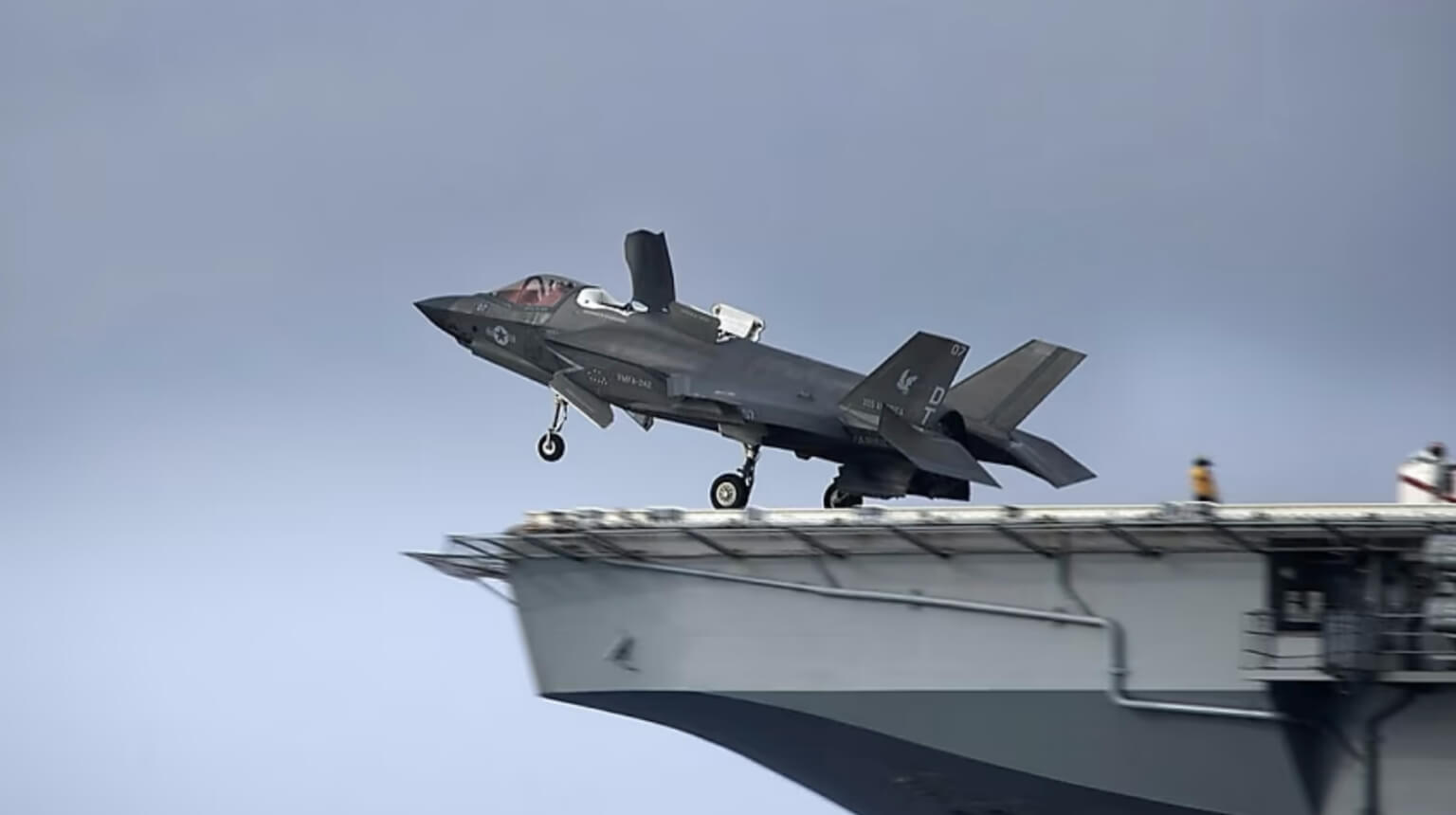
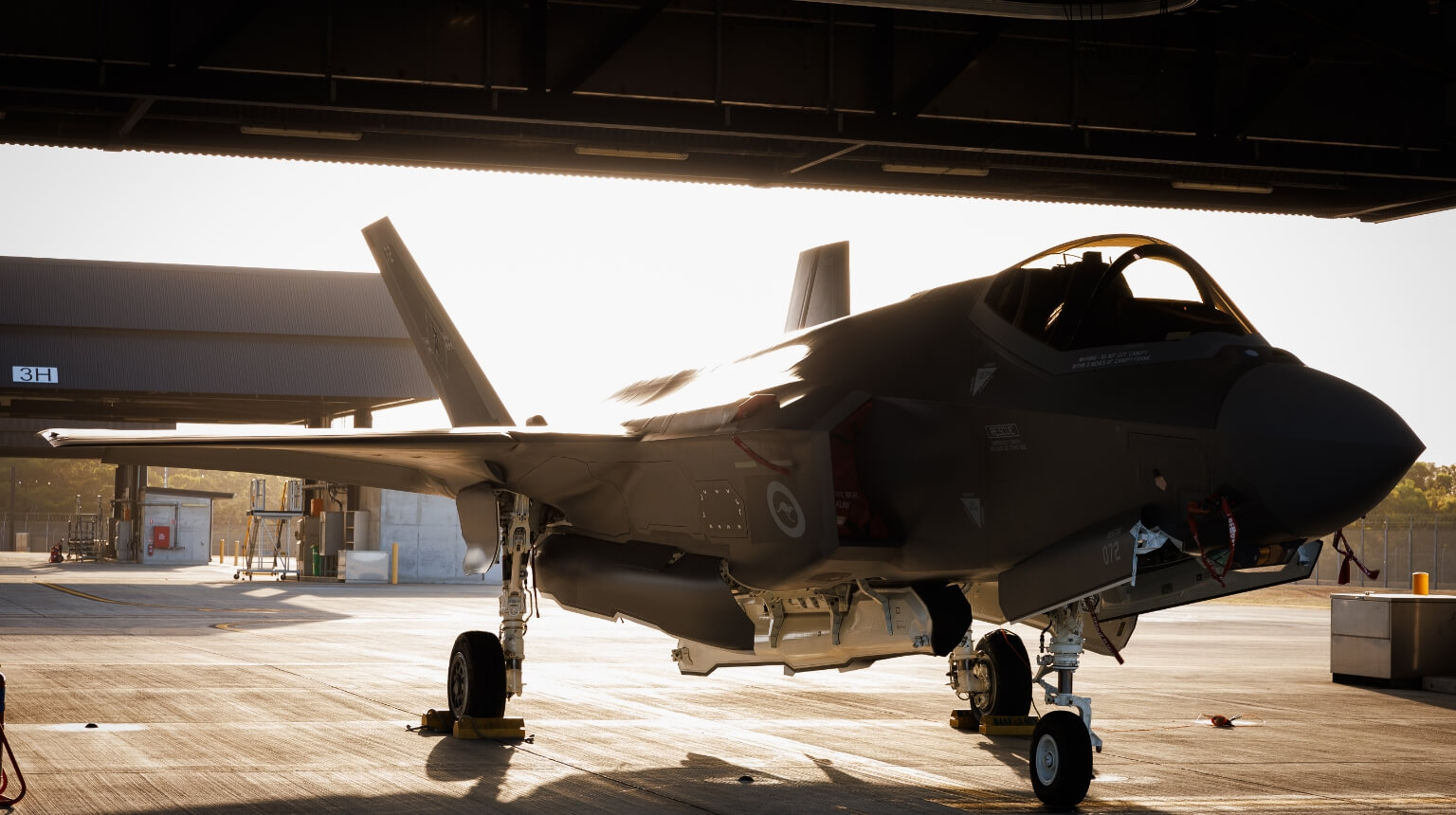
For decades, the United States has led in air power, leveraging technological innovation, industrial might and strategic doctrine. Platforms like the F-22 Raptor, B-2 Spirit, F-35 Lightning II and the upcoming B-21 Raider have cemented American air superiority, particularly in critical regions like the Indo-Pacific.
China’s rapid air force modernisation
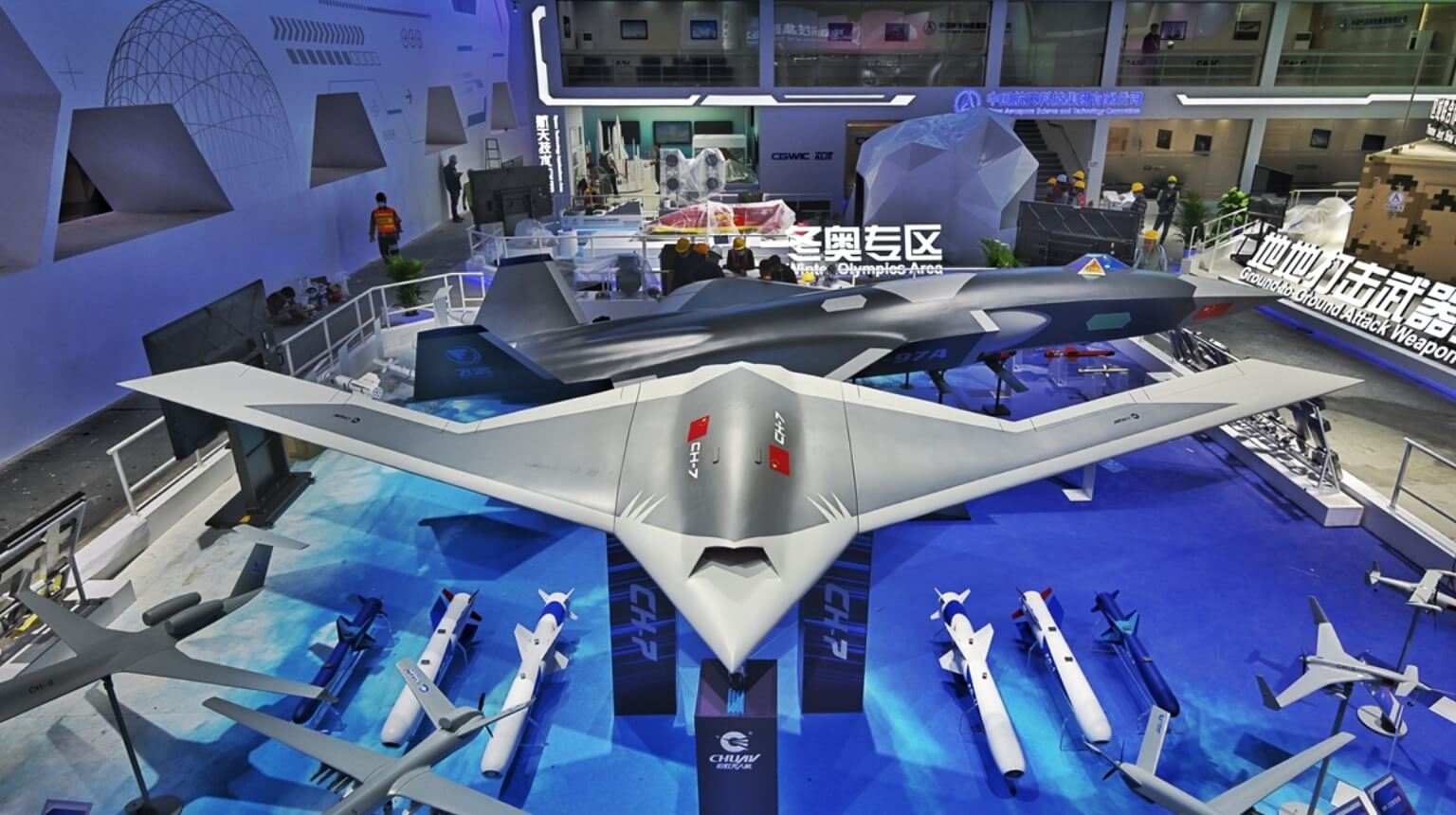
Over the last two decades, China has transformed its People’s Liberation Army Air Force (PLAAF) from a force reliant on outdated Soviet-era platforms into one of the world’s most advanced air forces.”
However, the air power landscape is shifting. Over the last two decades, China has transformed its People’s Liberation Army Air Force (PLAAF) from a force reliant on outdated Soviet-era platforms into one of the world’s most advanced air forces. Flagship aircraft such as the fifth-generation J-20 stealth fighter and the anticipated H-20 stealth bomber mark a new era for the PLAAF.
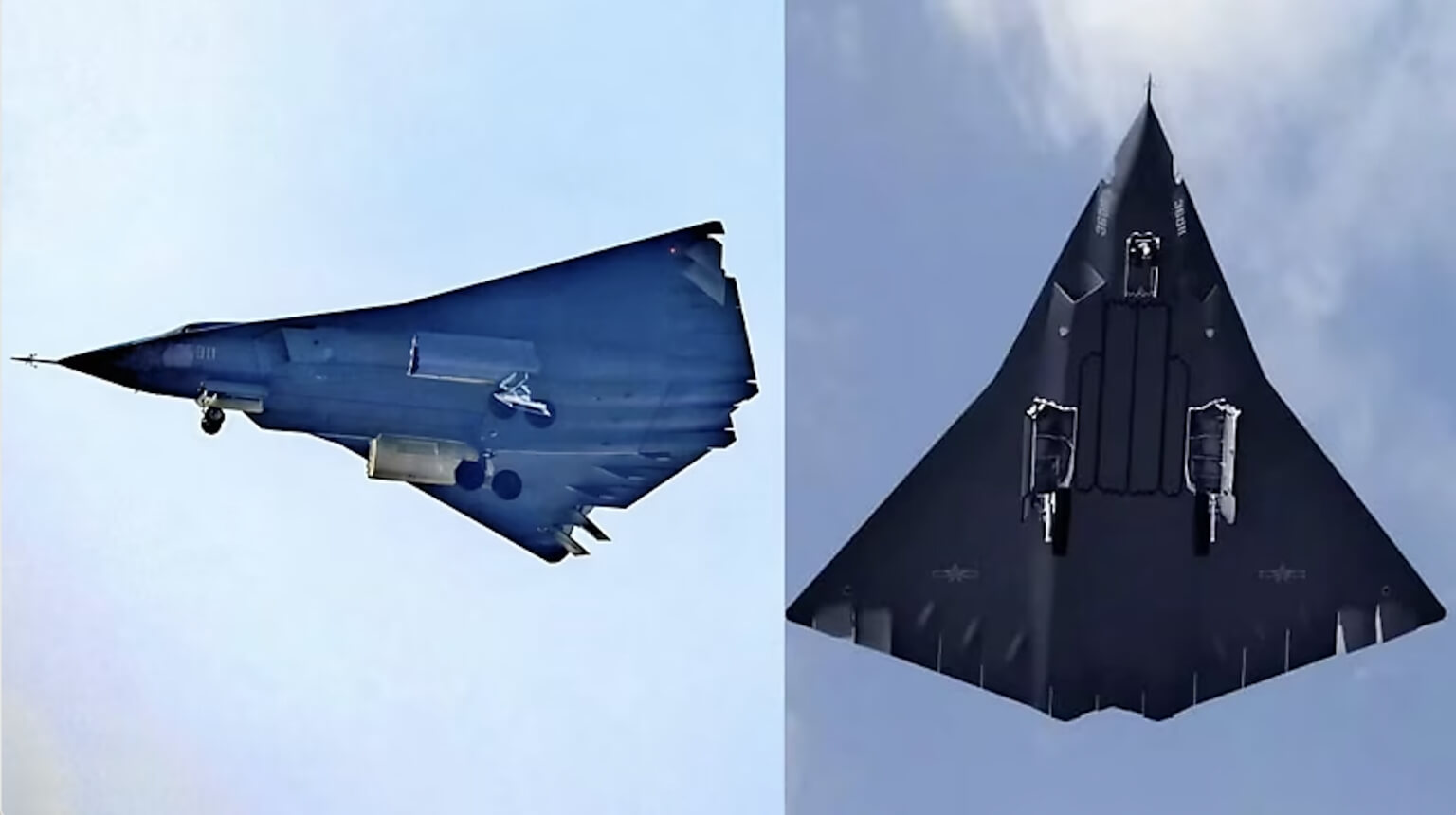
Now, Beijing has unveiled the J-36, a purported sixth-generation fighter designed to challenge US air superiority and that of its key allies, including Australia, Japan and South Korea. This aircraft is expected to incorporate advanced stealth, AI-assisted capabilities, directed-energy weapons and next-level connectivity across warfare domains – potentially shifting the global power balance.
Decoding the J-36: Beijing’s ‘tea set’ strategy
Veteran aerospace analyst Bill Sweetman has delved into the implications of the J-36’s development, describing it as part of a broader modernisation effort that has seen the PLAAF evolve into a cutting-edge force. Chinese sources suggest that the J-36 is just one component of an overarching air warfare strategy referred to as a “tea set”, with the H-20 stealth bomber as the yet-unveiled “teapot”.
Key features and role of the J-36
The J-36’s design suggests a focus on air superiority and dominance. Unlike traditional fighters, which balance stealth, agility and range, the J-36 appears to prioritise long-range, high-speed engagement.
Size and shape: Larger than the J-20, the J-36 features a double-delta wing with an estimated 19-metre wingspan and a 55-tonne take-off weight, signalling substantial fuel capacity for extended range.
Stealth and aerodynamics: Its shape strongly indicates a focus on all-aspect stealth and supersonic cruise capabilities, echoing the design principles of the US Next-Generation Air Dominance program.
Weapons system: A 7.6-metre main weapons bay, alongside side bays for smaller munitions, suggests the ability to carry a diverse arsenal, from long-range air-to-air missiles to air-to-surface weapons targeting critical infrastructure.
Three-engine configuration: Unlike the conventional twin-engine layout, the J-36 incorporates a tri-engine set-up, enhancing speed and survivability. This design choice enables sustained supersonic flight without afterburners – improving fuel efficiency while reducing heat and radar signatures.
Command and coordination: The J-36 is likely equipped with extensive sensor and data-sharing capabilities, making it not just a combat aircraft but a networked command node in a larger system of unmanned and manned assets.
The strategic impact on the Indo-Pacific and beyond
The J-36’s emergence raises critical questions about regional security and strategic stability. Its ability to engage targets at long range, disrupt air defence networks, and potentially coordinate with autonomous combat drones could challenge US and allied air superiority.
For nations like Australia, which relies on a mix of F-35s, Super Hornets and Growlers, the arrival of the J-36 demands a reassessment of air combat doctrine. With Canberra finalising its fleet of 72 F-35s and planning to extend the service life of its 4.5-generation fighters, questions remain about whether this force structure will remain viable into the 2040s.
A call for strategic adaptation
As China advances its air combat capabilities, Western nations must rethink their approach to air dominance. The Royal Australian Air Force, for example, may need to accelerate the adoption of emerging technologies such as unmanned loyal wingmen (like the MQ-28A Ghost Bat) and explore options for a next-generation fighter beyond the F-35.
Ultimately, Beijing’s latest move signals a shift towards a more contested and multipolar air power landscape. The unveiling of the J-36 is not just a demonstration of technological prowess – it is a strategic statement that challenges the assumptions underpinning Western air superiority. How the US and its allies respond will shape the future of global aerial warfare.