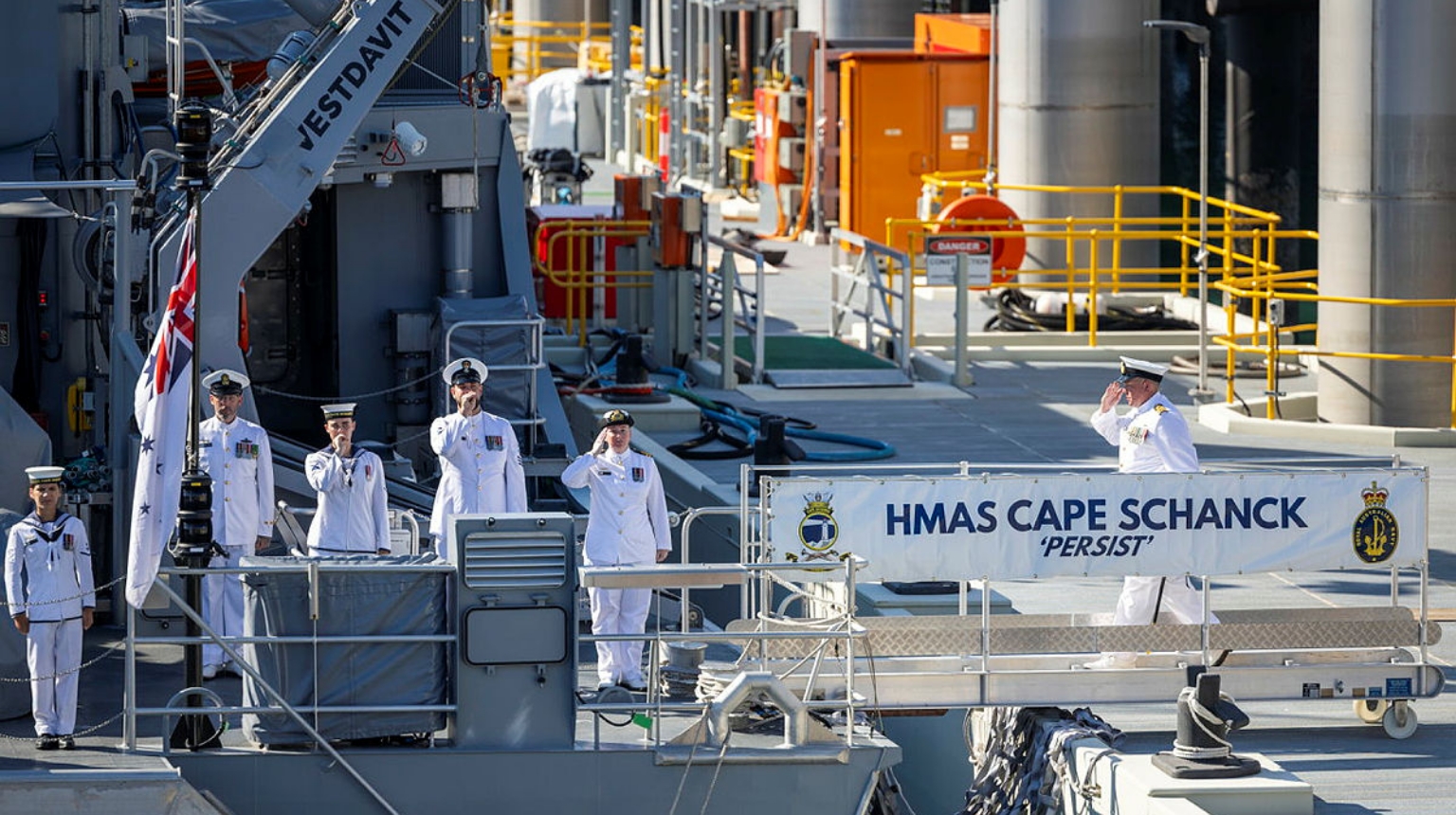



The transformation, prompted by both the Defence Strategic Review and the National Defence Strategy (NDS), marks a clear departure from the ADF’s past role in expeditionary warfare supporting US-led operations abroad.
The future now lies in “deterrence by denial”, a strategy defined by Michael Mazarr for the RAND Corporation as the ability “to deter an action by making it infeasible or unlikely to succeed, thus denying a potential aggressor confidence in attaining its objectives”.
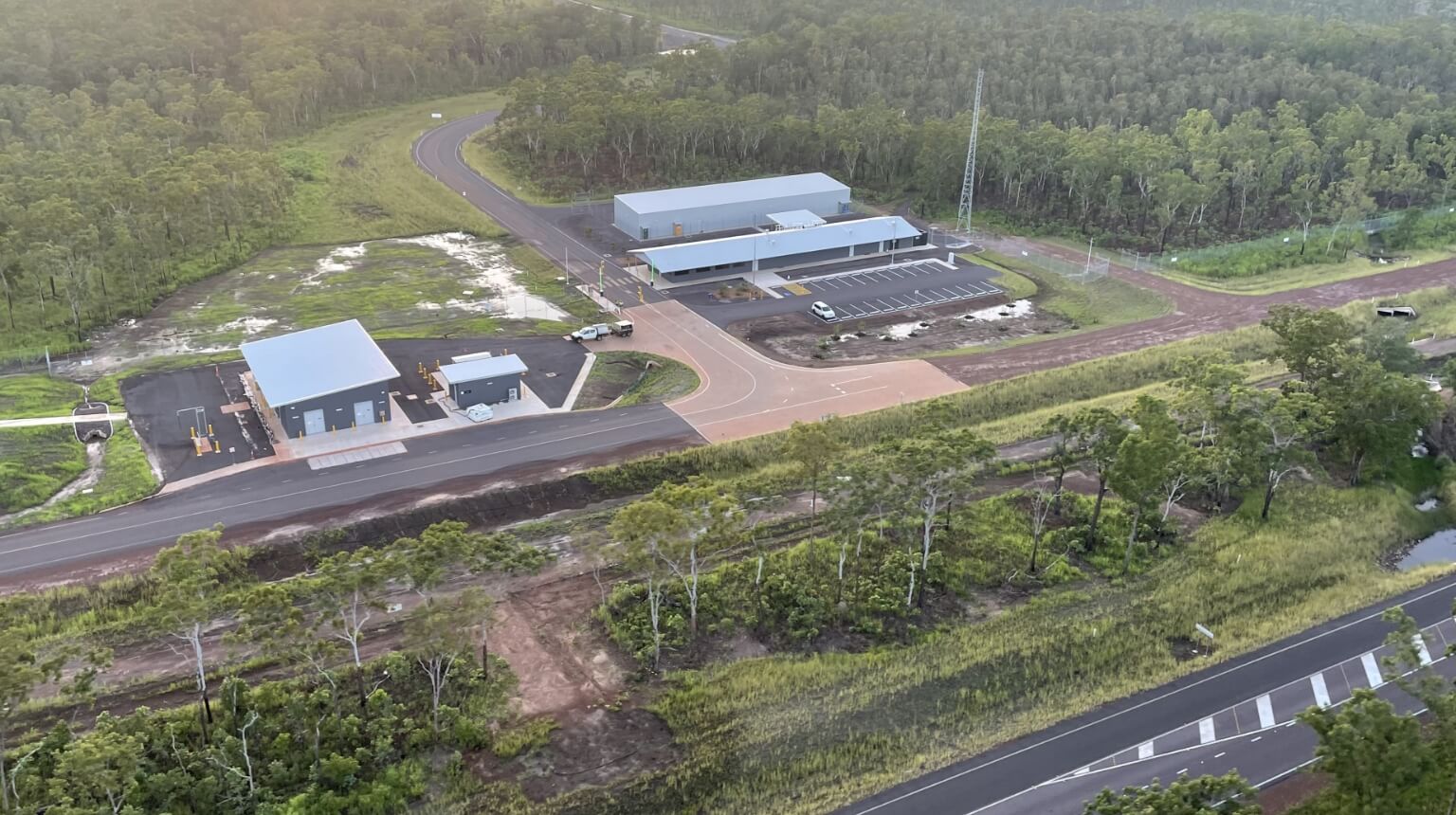
This strategic doctrine reflects a sobering reality – the Indo-Pacific, particularly Australia’s northern approaches, is now central to global great power competition. To meet this emerging challenge, the NDS signals a decisive realignment of the ADF’s basing and infrastructure posture.
Defence must posture to enable the impactful projection of military effects from Australia, to project and sustain a deployed force and to drive efficient use of training areas.”
- NDS
“Defence must posture to enable the impactful projection of military effects from Australia, to project and sustain a deployed force and to drive efficient use of training areas,” the NDS states, outlining the need for bases capable of delivering force projection and supporting regional stability.
The strategy sets out a comprehensive vision: “Deliver a logistically networked and resilient set of bases, predominantly across the north of Australia, to enhance force projection and improve Defence’s ability to recover from an attack.”
It also emphasises the need to “maintain a resilient network of southern basing infrastructure focused on force generation, sustainment, health networks and logistics nodes to sustain combat operations and support the projection of Australian forces”.
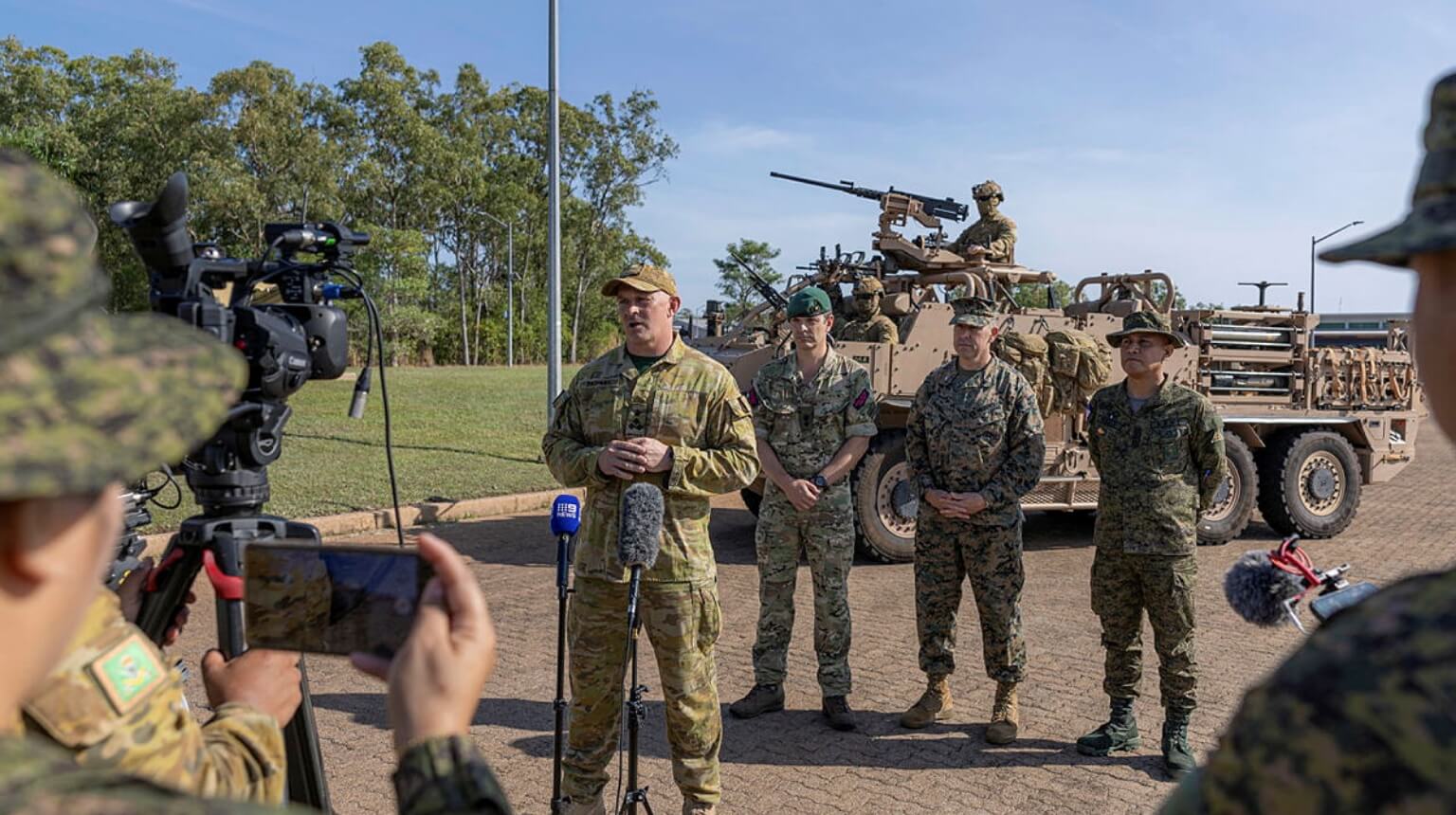
The infrastructure shift also supports enhanced cooperation with allies: “Enable enhanced US and key partner training and cooperation on Australian territory where these activities are in our national interest.”

However, this new vision does not come without trade-offs. As Defence refocuses on bases with strategic relevance, it also introduces the prospect of divesting from installations that no longer meet operational criteria. “Bases no longer meeting this criterion must be appropriately divested. Effective management and rationalisation of the Defence estate is a complex but essential understanding,” the NDS warns.
For parts of Australia’s defence industry, particularly those tethered to infrastructure and estate services, the implications are significant. The push for a more agile, resilient and strategically aligned defence estate may leave legacy projects and non-essential infrastructure out in the cold.
Beyond strategic aims, the NDS also calls for climate and energy readiness, noting Defence must “adopt climate adaptation strategies and energy resilience” and prepare for “civil-military arrangements for infrastructure in the event of a crisis or conflict”.
In this new chapter of Australian defence planning, infrastructure is no longer a static asset – it is a dynamic enabler of military effect. Yet as Defence adapts to meet the demands of a new strategic environment, the divestment of outdated assets may become the quiet disruptor of industry and regional economies.