

At the centre of this debate stands Zali Steggall OAM, the re-elected independent member for the affluent Sydney electorate of Warringah. On election night, Steggall urged a more “balanced and nuanced” foreign policy – one that places Australian independence at the heart of its strategy in a contested Indo-Pacific. “We need to make sure that we have a strong but respectful relationship with our trading partner, China,” she told Sky News, “and with our defence partner, the US – again, strong but not over-dependent.”
The call a echoes growing sentiment among voters. A 2024 Guardian Australia poll found that 38 per cent of respondents believe Australia should act as an “independent middle power with influence in the Asia-Pacific”. Only 20 per cent preferred alignment primarily with the US, while 25 per cent advocated disengagement from global affairs altogether.
But what does “independence” truly mean in a multipolar world? And what would it cost?
A fraying order
The post-World War II international order – anchored by US economic and military supremacy – appears increasingly brittle. America’s global primacy, once secured through institutions like the International Monetary Fund and military alliances like NATO, now faces challenges from rising powers, domestic discord and overstretched commitments abroad.
Meanwhile, China, India, Brazil, Indonesia and others are emerging as centres of economic and strategic gravity. The global system is no longer unipolar, nor even bipolar – it is multipolar and fragmented.
Australia, long nestled comfortably under the US security umbrella, now faces the hard math of great-power politics. Historically a “middle power”, Australia fits the model described by Eduard Jordaan of Singapore Management University: wealthy, stable and multilateralist, but regionally ambivalent and globally deferential.
That mould is now under stress.
A strategic awakening
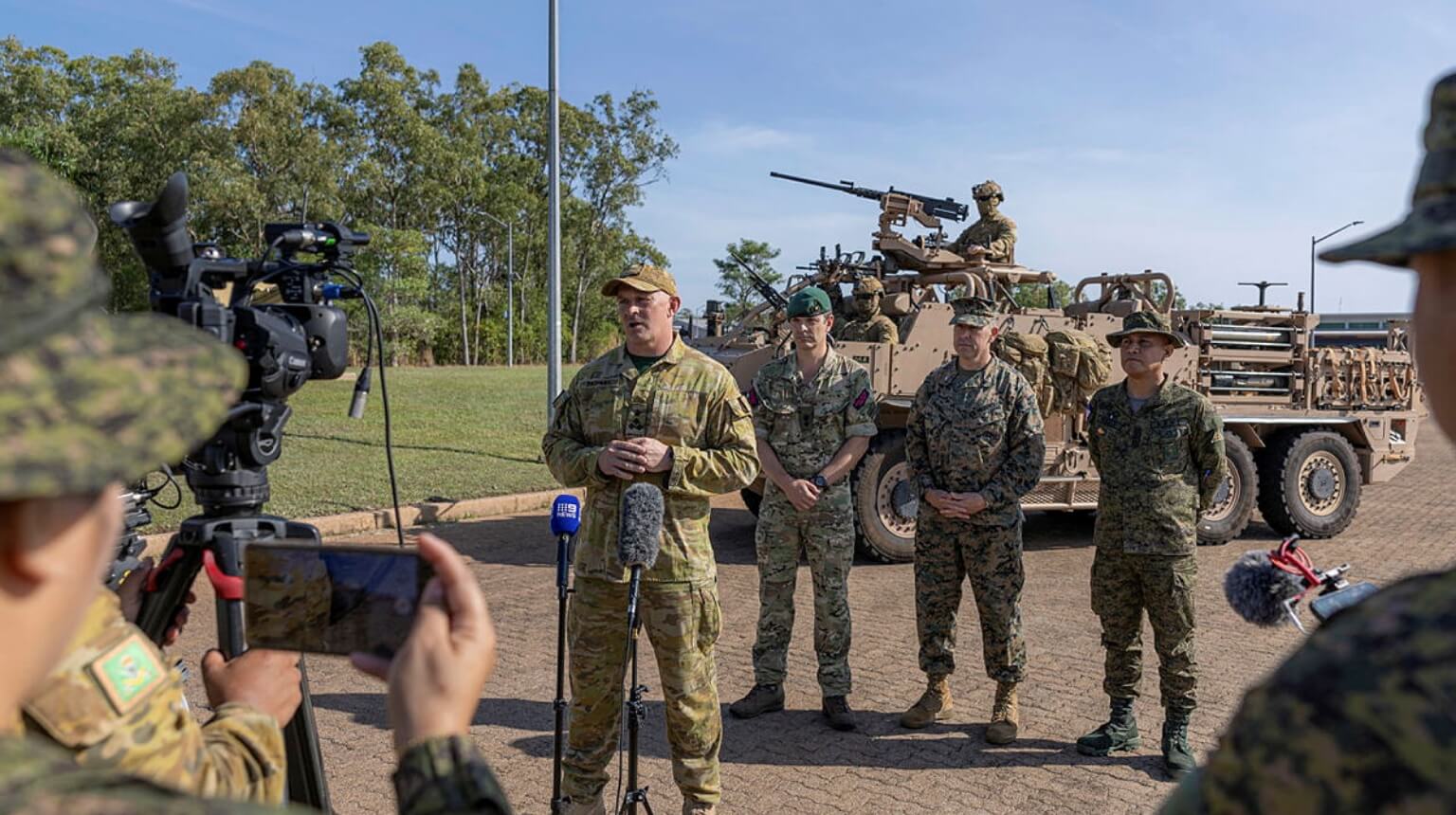
With the Indo-Pacific turning more volatile, Australia’s strategic calculus is shifting. The bipartisan 2023 Defence Strategic Review and the 2024 National Defence Strategy called for the Australian Defence Force to adopt a posture of “deterrence by denial” – a marked shift from the expeditionary model of the past. Yet even that ambition seems restrained when placed next to Steggall’s calls for a genuinely autonomous foreign policy.
Reality poses constraints. Despite commitments to increase defence spending, Australia lacks the scale, assets and doctrine to credibly defend itself as a stand-alone middle power. AUKUS may deliver nuclear-powered submarines, but a handful of platforms will not bridge the strategic capability gap. Comparisons to Sweden’s 2040 force structure are misleading; the UK’s lean, modular, nuclear-capable force may be a more appropriate benchmark – and one well beyond current Australian means.

Economic muscle matters
Defence, however, is only one piece of the puzzle. Economic weight underpins strategic autonomy – and here, the outlook is sobering.
Australia’s economic complexity has declined. Growth is increasingly dependent on commodities and housing, while both public and private debt rise and productivity falters. Regulatory burdens mount. Energy prices soar. Taxes and red tape throttle investment and entrepreneurship.
“We’re on a long, slow road to economic ruin,” warns Dimitri Burshtein of Eminence Advisory. “It’s like boiling a frog – the cumulative sting of ever-increasing taxes, government spending and regulations leads to economic atrophy.”
Dr Kevin You of the Institute of Public Affairs puts it more bluntly: Australia has gone from energy superpower to pricing laggard, now ranking 52nd globally in electricity costs. The country ranks near the bottom in corporate and personal tax competitiveness, while bureaucratic hurdles have surged over the past two decades.
The prescription? A return to economic fundamentals – competitive taxes, lighter regulation, disciplined spending. Without these reforms, the talk of independence remains just that: talk.
Strategic realignment or strategic anxiety?
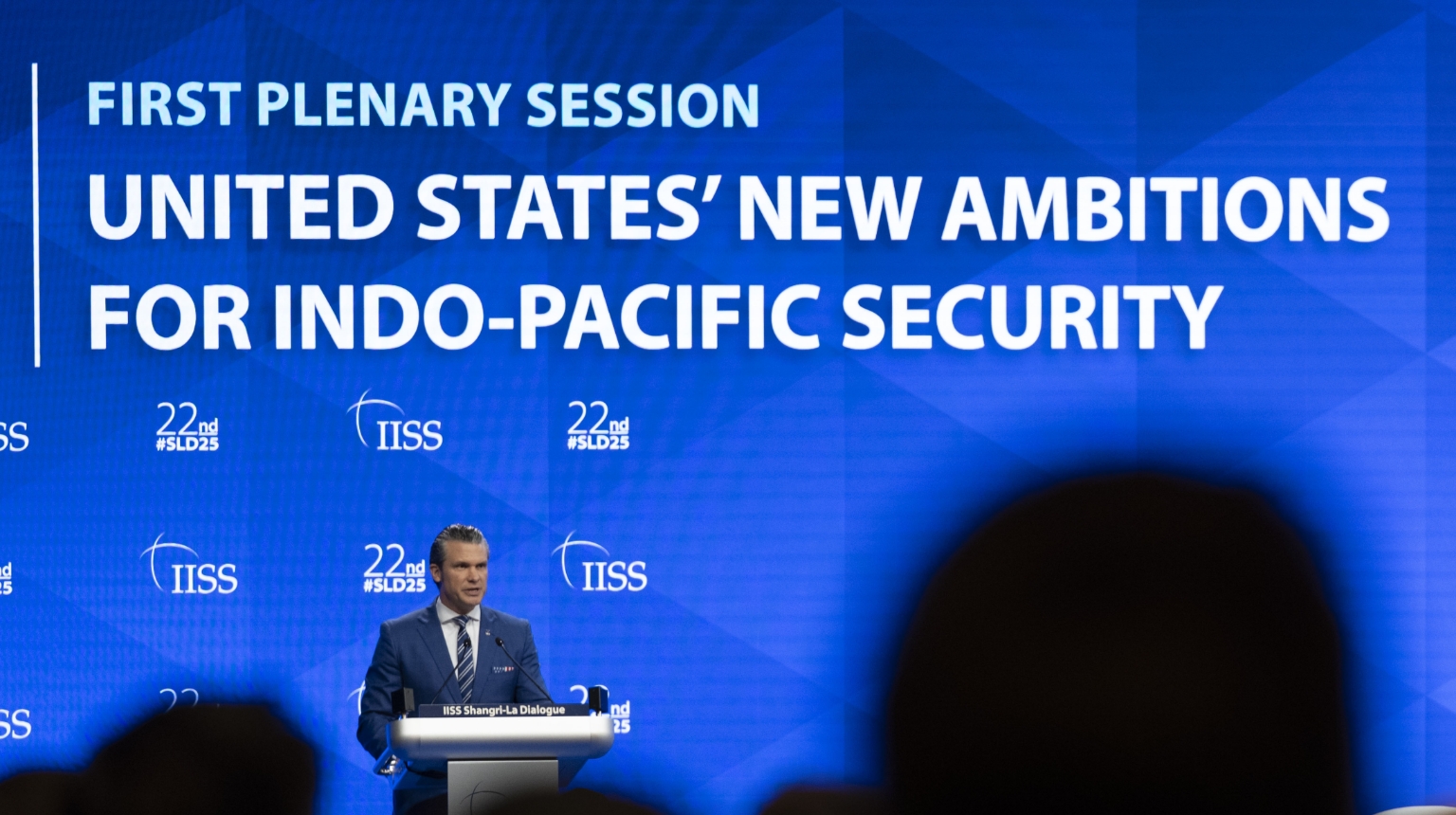
Australia’s recurring bouts of “strategic anxiety” have deep roots and President Donald Trump’s second-term rhetoric hasn’t helped. His tariff regime and dismissive treatment of allies have rattled markets and partners alike. His fiery exchange with Ukraine’s President Volodymyr Zelenskyy only reinforced Canberra’s unease about relying too heavily on Washington.
Steggall’s remarks reflect these fears. And yet, her position also opens the door to a broader national conversation: Is Australia ready – financially, militarily and politically – to go it alone?
Is Australia ready – financially, militarily and politically – to go it alone?”
To become a true “independent middle power” in the Asia-Pacific, Australia must first overhaul its economy, expand its industrial base and commit to a long-term vision of national power. That would require bipartisan reform, broad public support, and a level of policy courage rarely seen in recent decades.
Absent this, talk of independence may remain a comfortable fiction – one that fails to account for the hard power realities of the modern world.
The big question
And so the question lingers in the halls of Parliament and within the offices of strategists and policymakers: as Australia flirts with strategic independence, can its economy, society and defence force shoulder the burden? Or, to put it more provocatively: will US military basing in Australia survive another Trump presidency and an increasingly independent Australian political identity?