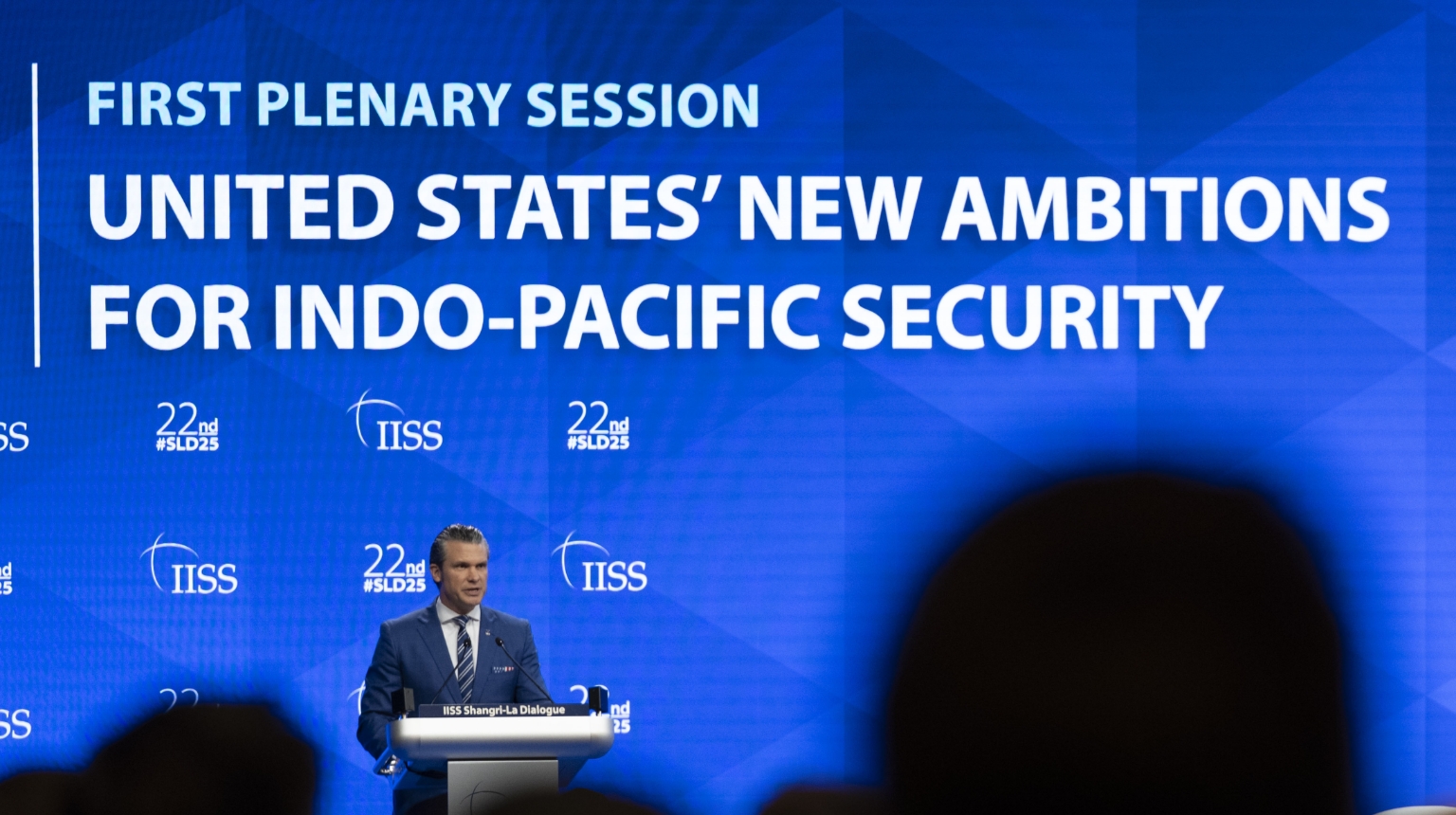


The National Defence Strategy makes it clear: the Australian Defence Force’s capability, force posture and structure are undergoing a major transformation. At the core of this shift is a move to a Strategy of Denial – a doctrine centred on deterring conflict before it begins by preventing any adversary from projecting power through our northern approaches.
This is no minor adjustment. In an era of intensifying great power competition and rising strategic uncertainty in the Indo-Pacific, this marks a clear break from the Defence policy of only a few years ago, which prioritised the deployment of expeditionary forces operating alongside the United States.
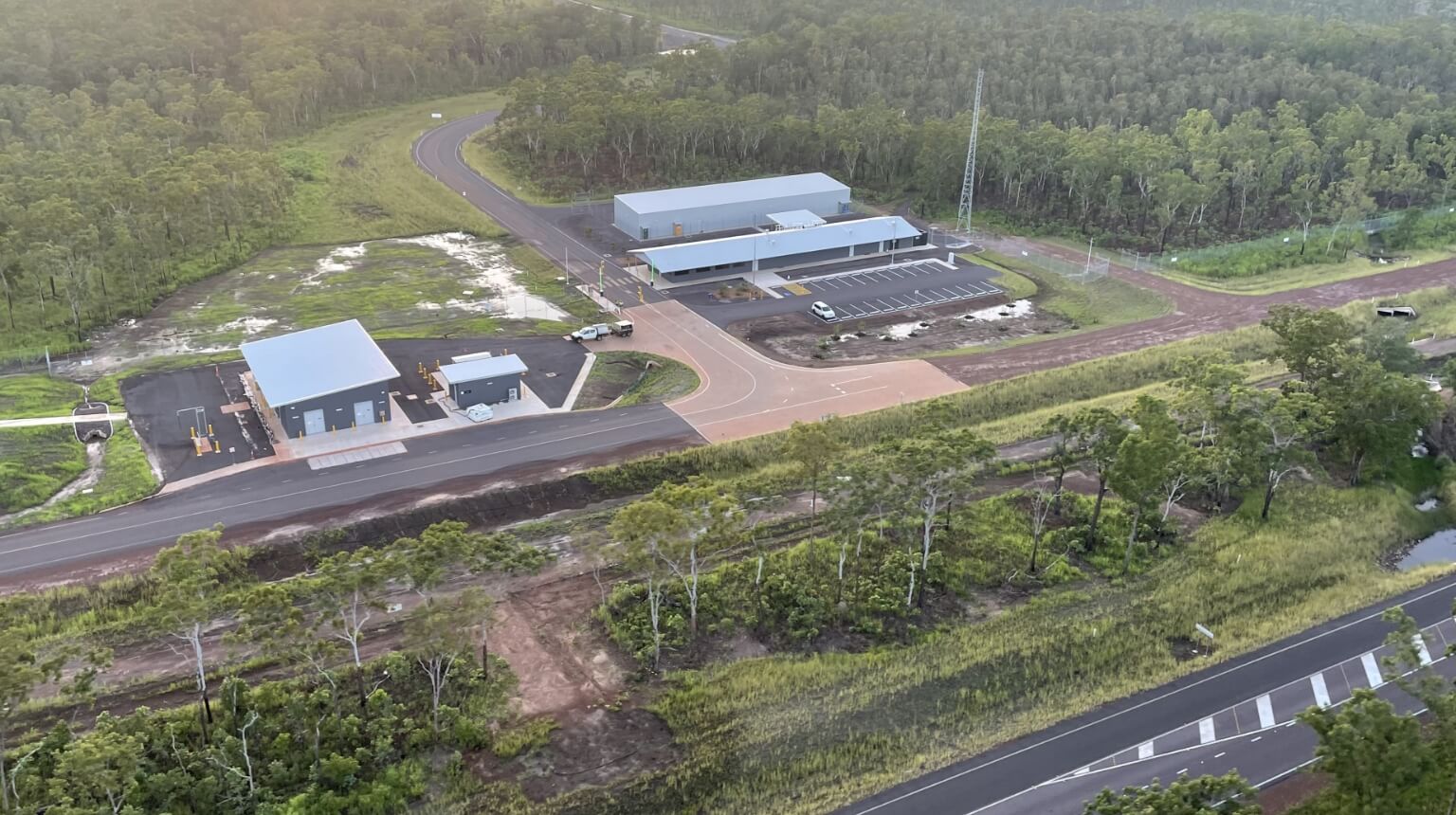
That shift has placed urgent focus on the north – on establishing and sustaining the infrastructure required for the ADF to project force and defend Australia’s vast northern perimeter.
In a recent Defence Connect Spotlight podcast episode, Jason Miezio, Defence Sector Lead at Sitzler, shares how the company is meeting the challenge of building infrastructure in Australia’s most remote regions.
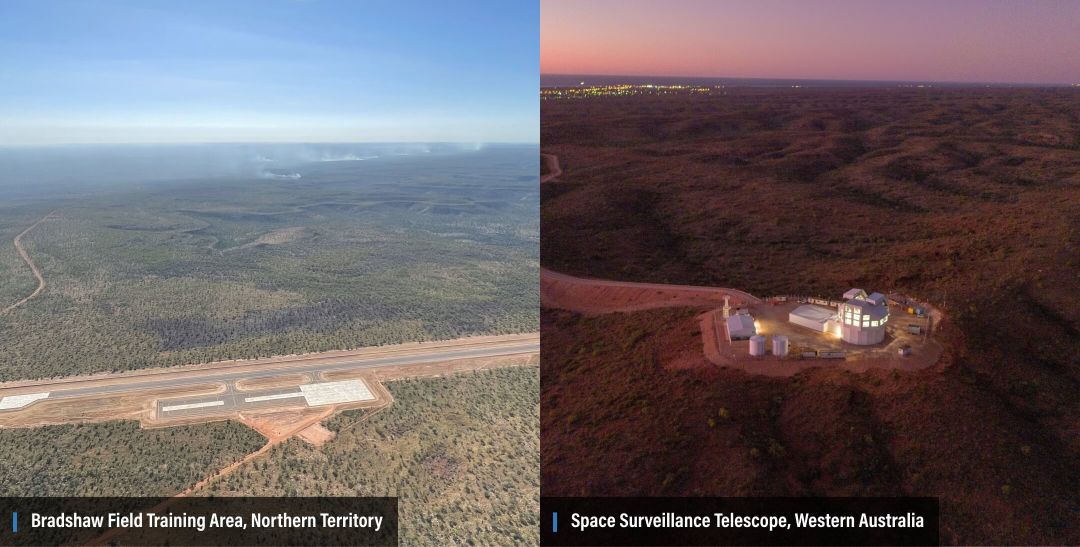
“Sitzler is an Australian, family-owned company, and our two directors have a passion for doing remote and complex works,” Miezio says. “Our clients are located in some of the most challenging environments in the country. In the defence space, we delivered a space surveillance telescope at Exmouth, finalising construction on the LAND 19 Short Range Ground Based Air Defence Project at RAAF Base Edinburgh, and a new hangar for the MQ-4 Triton at RAAF Base Tindal.
“When the projects are interesting, you embrace the challenges. You step up, especially when it comes to solving workforce shortages. Northern Australia is our home – that’s where our main office is.”
Central to delivering infrastructure in these environments, according to Miezio – a 20-year veteran of the Royal Australian Engineers – is early risk reduction.
“With the requirements of the National Defence Strategy, we must support a supply chain and base network that allows for projection into the Indo-Pacific. That could mean a runway upgrade in Learmonth, a new fuel farm, or a SCIF,” he says.
“What Defence is doing well now is engaging contractors earlier in the project life cycle, depending on the risk profile of the task. During COVID, we saw massive price spikes and material shortages. Bringing industry in sooner helps Defence get critical advice on design, contract models, procurement and risk.”
Thorough planning can help avoid what Miezio calls “the $50,000 screw” – where poor logistics or late-stage changes can result in paying exorbitantly for basic, but mission-critical items.
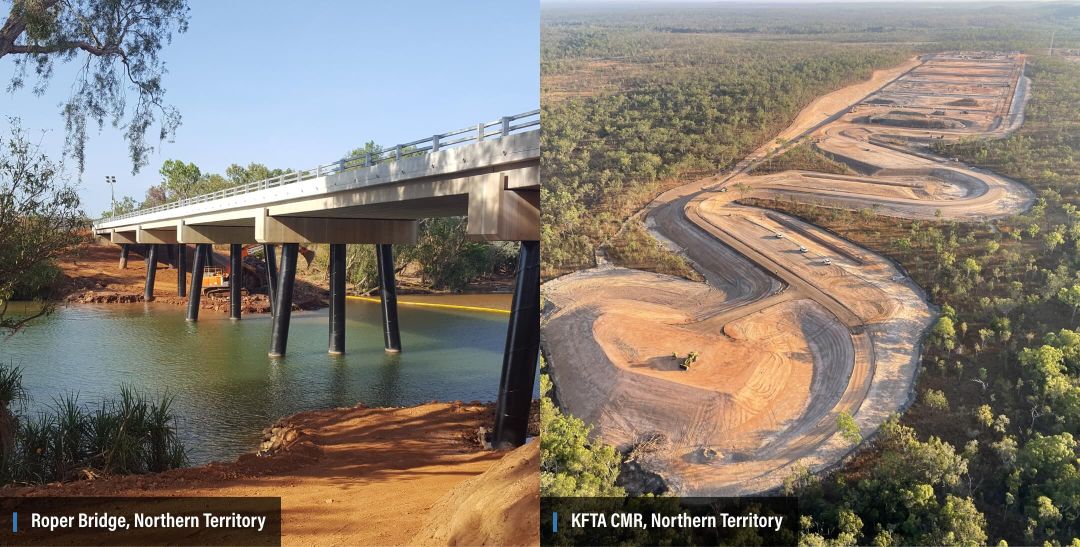
“When I was working in Papua New Guinea, we used to talk about the $50,000 screw. Imagine you’re about to complete a roof but you don’t have the right screws – you might end up chartering a plane just to deliver them. That’s why we now work with Defence from the very inception of an idea, to ensure the plan and supply chain are right from the start.”
Involving estate and infrastructure planners early also helps avoid another common risk: over-specification. Miezio refers to this as the problem of “fancy gold taps” – where a project over-delivers in one area, stretching budgets and compromising other mission-critical capabilities.
That’s where Defence’s focus on minimum viable capability and minimum viable product (MVP) comes in: ensuring that contractors deliver exactly what’s required to meet the objective – no more, no less – leaving resources available for future works.
We don’t want gold taps. We want enduring, functional design. If we get that right, the infrastructure will perform as intended and last.”
- Jason Miezio
“Minimum viable product and minimum viable capability are essential,” Miezio says. “We don’t want gold taps. We want enduring, functional design. If we get that right, the infrastructure will perform as intended and last.”
A recent example is the Nackeroo Airstrip at Bradshaw Field Training Area, a 9,000 square kilometre military training area spanning Western Australia and the Northern Territory.
“It’s a great example of how the military sets up, operates and deploys,” Miezio says. “We’ve built a 750-person camp there. By sticking to the MVP principle, we were able to reduce the estimated $100 million cost of the airstrip by working closely with Defence to determine what was truly necessary.
“From a strategic-operational perspective, these remote camps are critical. The airstrip is a great example of how we could support forward deployment into the Pacific.”
Looking ahead, Miezio is optimistic about the evolution of Defence estate and infrastructure—especially with the growing role of prefabrication, including secure facilities up to Zone 5 classification.
“We need to understand what’s truly required in remote areas. In some cases, we’ll need to radically shift our focus to population centres on the east coast. That might mean building capabilities that can be moved on a truck. Depending on the strategic landscape, we may need modularity – a mix of permanent infrastructure and mobile, prefabricated surge assets.”
Sitzler is also preparing for a big year. At the same time, it will continue to work with small and medium-sized businesses to deliver projects above $50 million for Defence across the country.
Whether it’s screws in the outback or sovereign capabilities for space surveillance, the message is clear: building what’s needed – where it’s needed – is not just about infrastructure. It’s about strategy, readiness and resilience.