

Historical echoes and strategic geography
Following Japan’s devastating attacks in the early 1940s, General MacArthur shifted Allied Pacific headquarters to Melbourne, placing Australia at the heart of the Pacific theatre. Australia’s industrial base and proximity to Southeast Asia played a crucial role in the Allied campaign, ultimately supporting Japan’s defeat and reinforcing our enduring strategic value.
Yet in the Cold War’s shadow, Australia receded in strategic priority – despite hosting vital US intelligence and communication installations like Pine Gap and Harold E Holt. That changed post-9/11. In 2004, Australia stood up the General John Baker Complex (then Headquarters Australian Theatre, now Headquarters Joint Operations Command), heralding a modern era of joint operations.
A new defence posture
The 2023 Defence Strategic Review, followed by the 2024 National Defence Strategy and the latest IIP, mark a major evolution. Collectively, they propose a shift from a balanced force to an “integrated and focused force” will be able to respond to regional contingencies. Central to this is an $11–15 billion investment over the next decade in theatre command and control (C2) capabilities.
According to the IIP: “ADF commanders need to be able to quickly develop a comprehensive appreciation of key threats and opportunities on operations so they can make fast and effective decisions … [and] undermine a potential adversary’s ability to exercise effective command and control.”
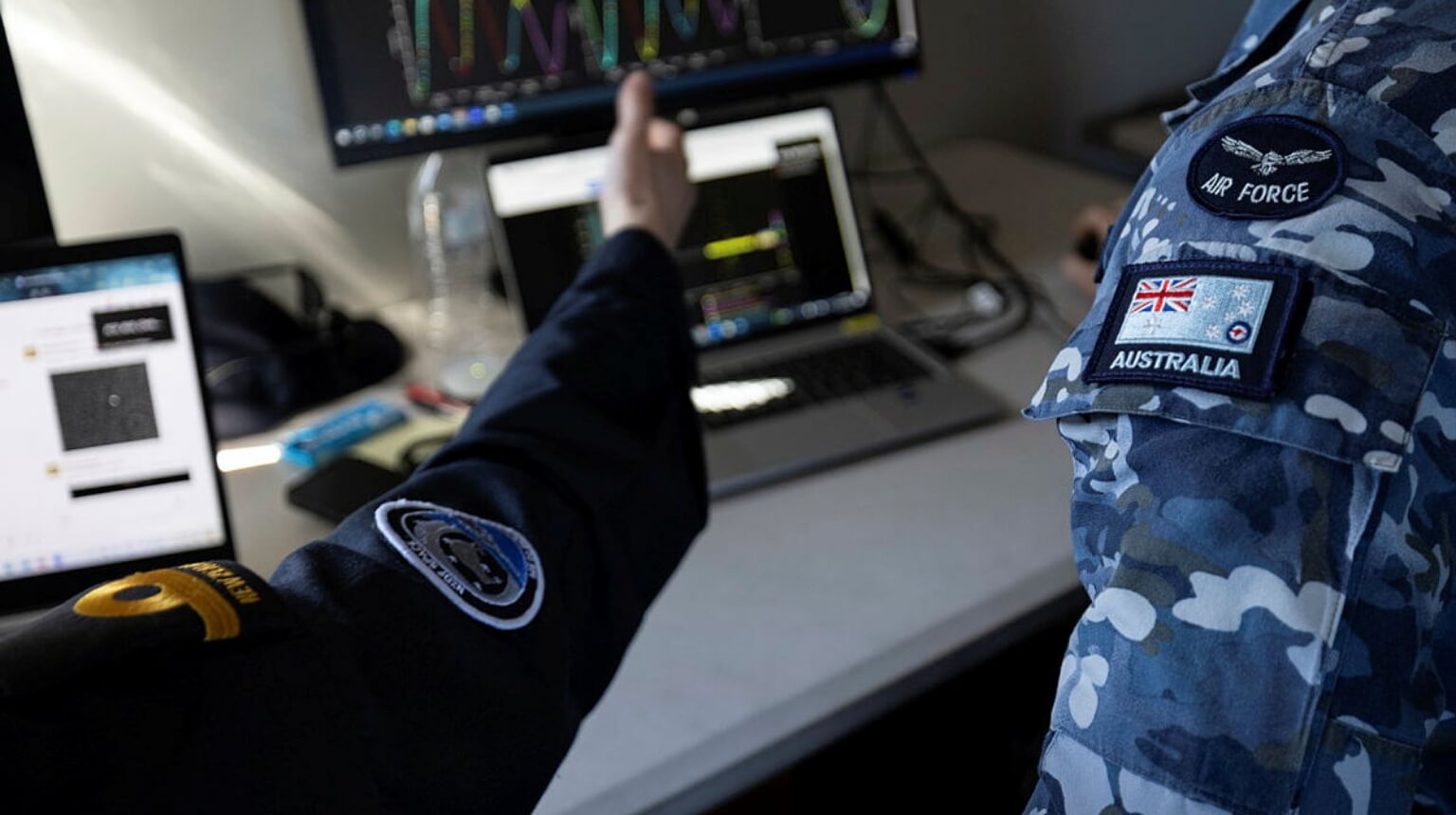
This includes upgrades across air, land, sea, space and cyber C2 systems; modernised geospatial and ICT infrastructure; and robust intelligence support. But what does this mean on the ground – especially in Australia’s strategically vital north?
Northern infrastructure: The opportunity
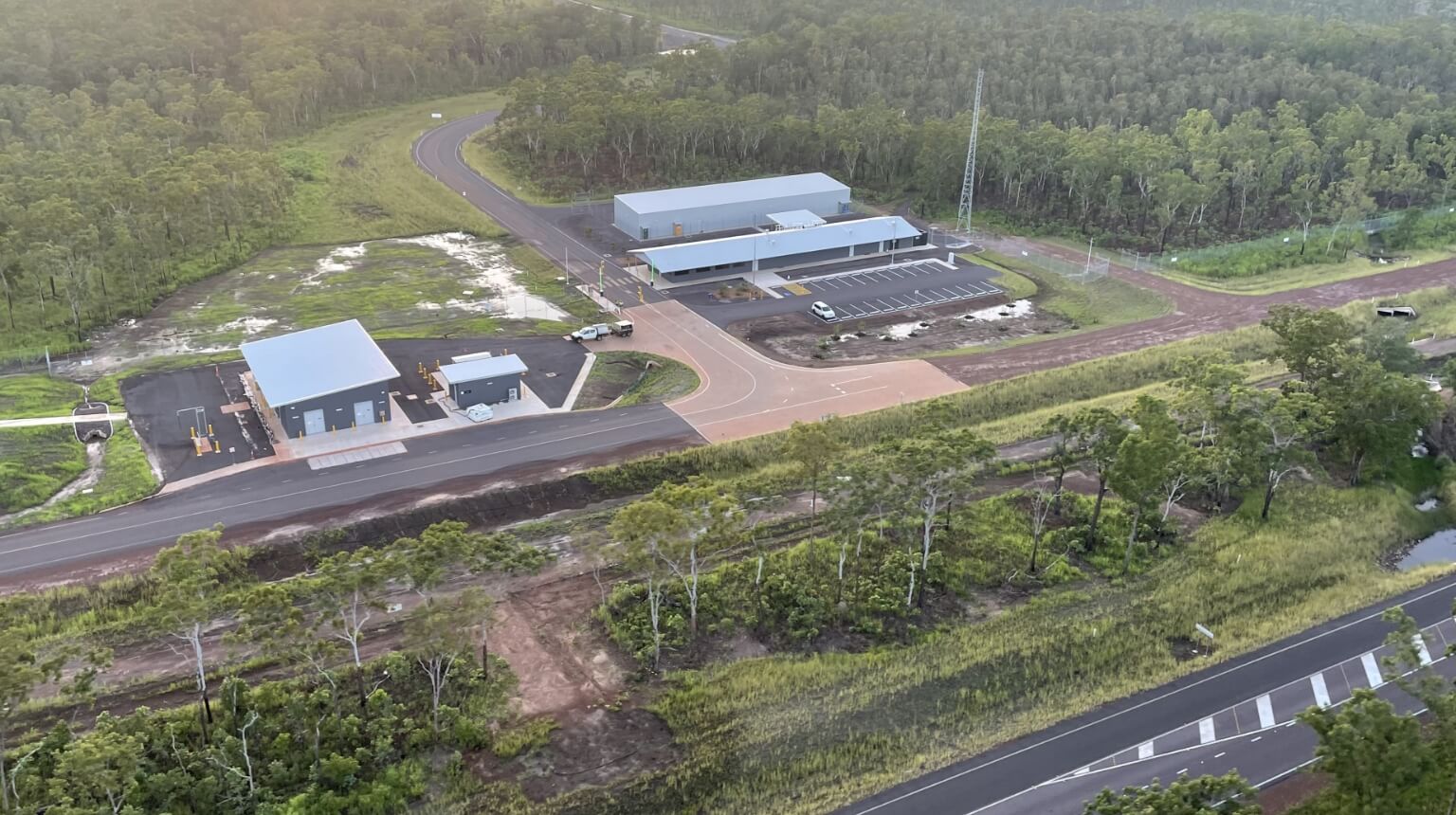
The north remains our front line. The IIP commits $14–18 billion to upgrade and expand key facilities – RAAF bases Tindal, Scherger, Curtin and Learmonth, and joint facilities in Darwin and Townsville.
This “Northern Network” is critical to projecting power and sustaining operations in our immediate region. The IIP specifically identifies priorities including:
• Major redevelopment of Larrakeyah Defence Precinct, including new berthing facilities at HMAS Coonawarra to host major surface combatants and submarines.
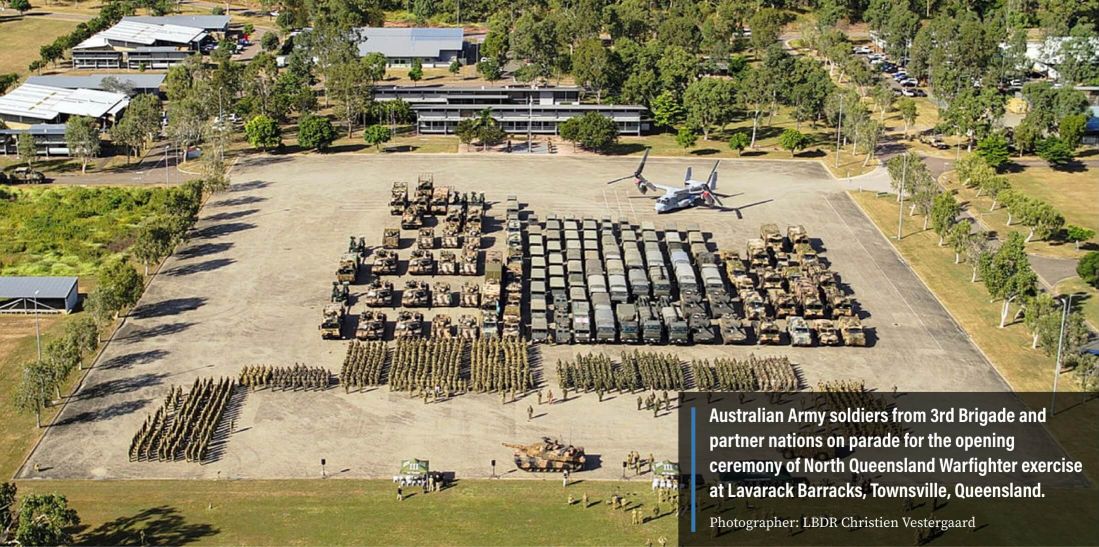
• Upgrades in Townsville to support Army’s littoral manoeuvre brigades, including logistics hubs for sealift capabilities.
• Enhanced resilience infrastructure – fuel, munitions storage, accommodation and environmental hardening for continuity under threat.
However, much of the IIP’s C2 emphasis remains digital and distributed. There is little indication of dedicated investment in purpose-built, consolidated theatre C2 infrastructure in northern Australia – despite its geographic logic.
A hub-and-spoke future: Joint Base Darwin?
To maximise both strategic effect and financial efficiency, the government should consider consolidating key functions into a fit-for-purpose theatre command and control hub in the Darwin area. A greenfield or brownfield development at East Arm or Wickham Point, within the natural shield of Darwin Harbour, could enable secure, resilient command infrastructure.
This would mirror existing US models – such as Joint Base Pearl Harbor-Hickam – and could serve as a secondary headquarters for the United States Indo-Pacific Command, enhancing allied interoperability and interchangeability. Co-locating this with shared US–Australian infrastructure could spread costs while improving operational readiness.
Through asset recycling, existing real estate at Larrakeyah or Coonawarra could be repurposed or monetised to offset the build cost. Strategically, a purpose-built Joint Base Darwin would provide the necessary architecture to support a rapidly deployable joint force and respond effectively to regional contingencies.
But critically, any investment must ensure that facilities across the north are not passive. Each must incorporate integrated defensive capabilities – including point and area air defence, hardened shelters and cyber resilience – to operate under threat.”
Beyond Defence: Strategic and economic spillover
Such a development could also catalyse broader economic transformation. Darwin, already a key export and energy hub, could be positioned as a logistics, finance, and even entertainment nexus for the Indo-Pacific – paralleling Singapore’s dual military-commercial model.
But critically, any investment must ensure that facilities across the north are not passive. Each must incorporate integrated defensive capabilities – including point and area air defence, hardened shelters and cyber resilience – to operate under threat.
The best of both worlds?
In many ways, this is the strategic logic of the moment: decentralised sensors and weapons, enabled by robust centralised command infrastructure. A new Joint Base Darwin, anchored by theatre C2, could serve as both the brain and backbone of Australia’s deterrence posture.
It would allow for deeper integration with allies, more coherent forward basing and better value for taxpayer investment.
The IIP has made the opening move. Now, it’s up to Defence planners – and policymakers – to deliver the infrastructure that turns ambition into advantage.