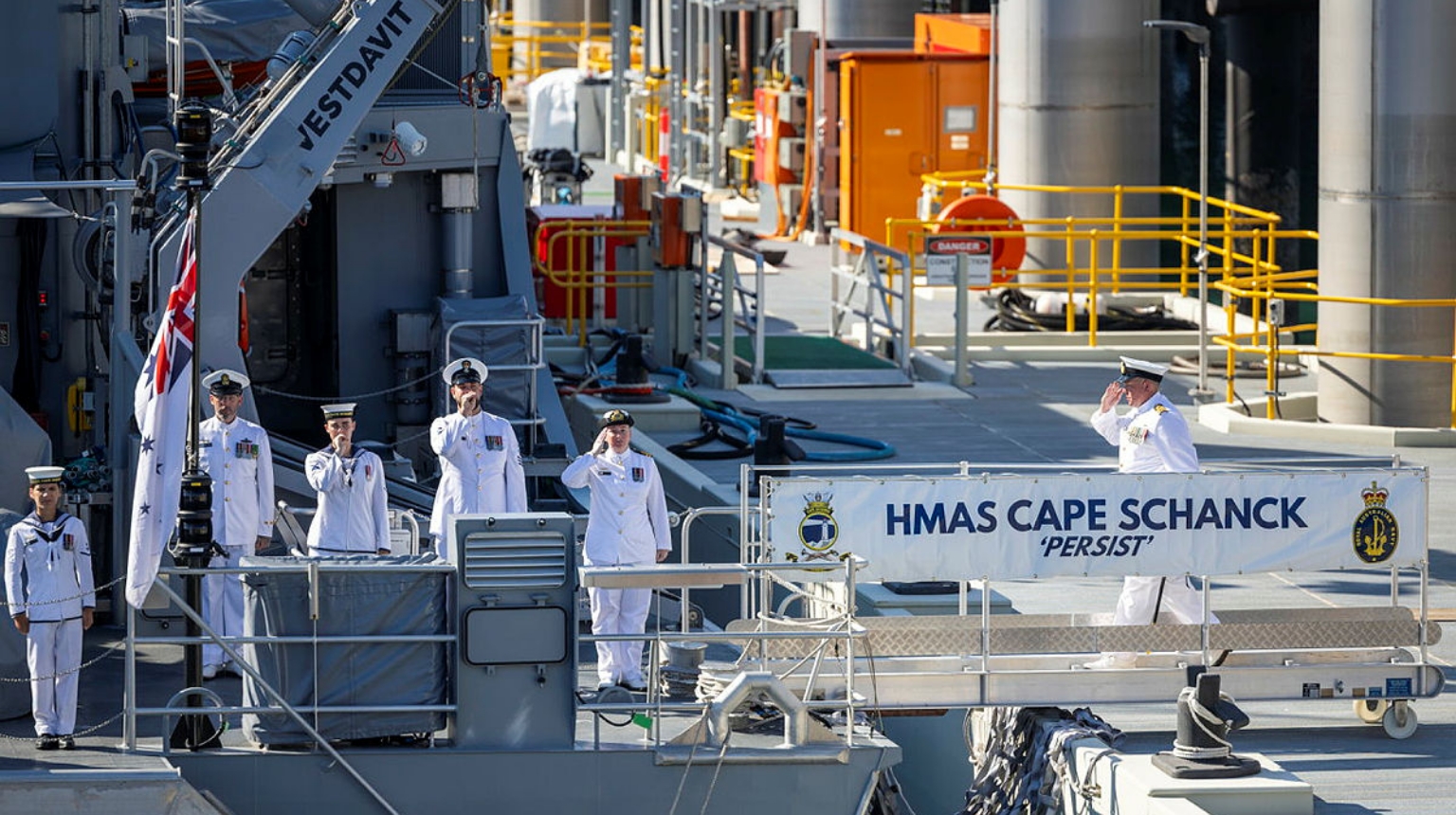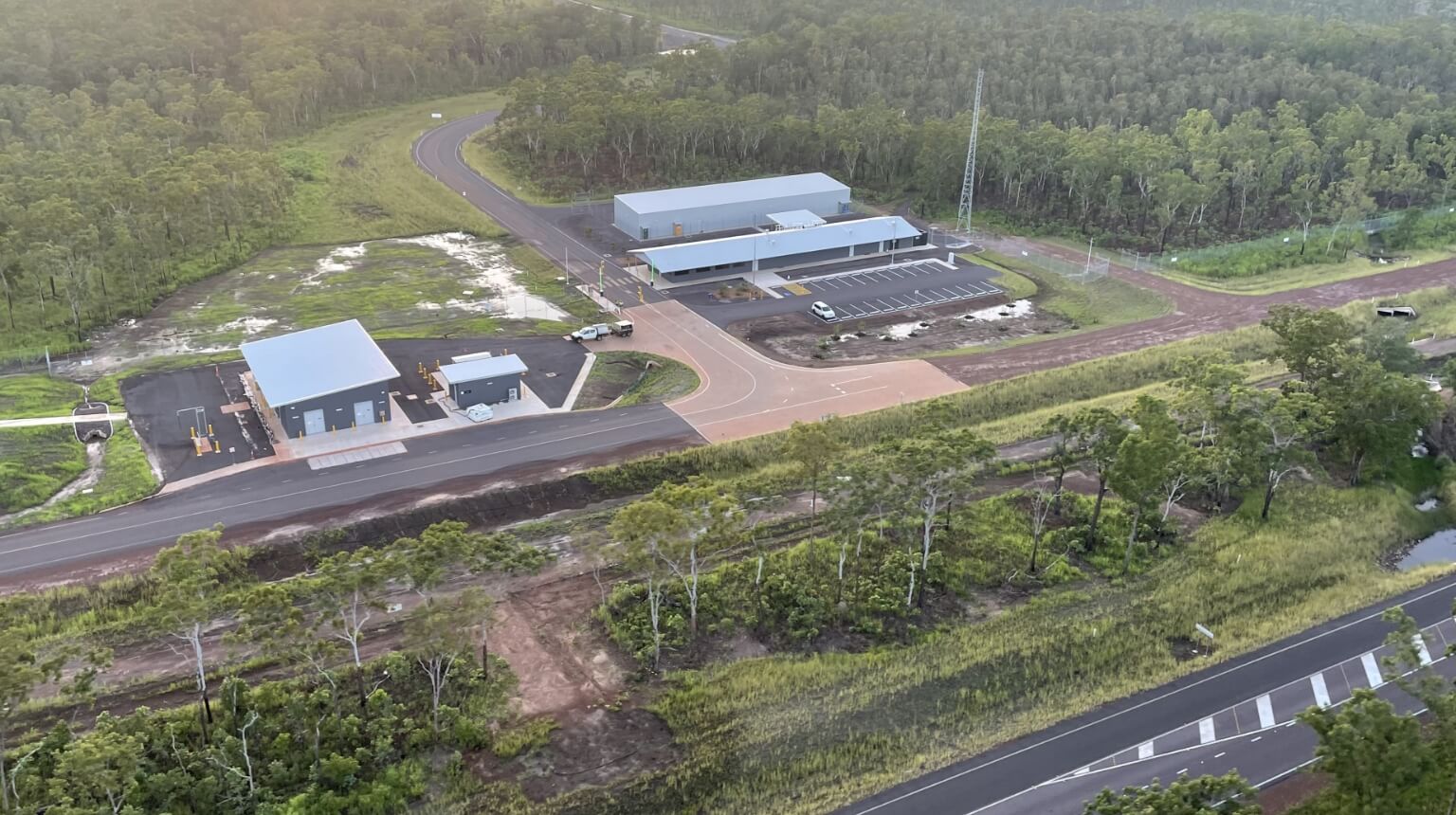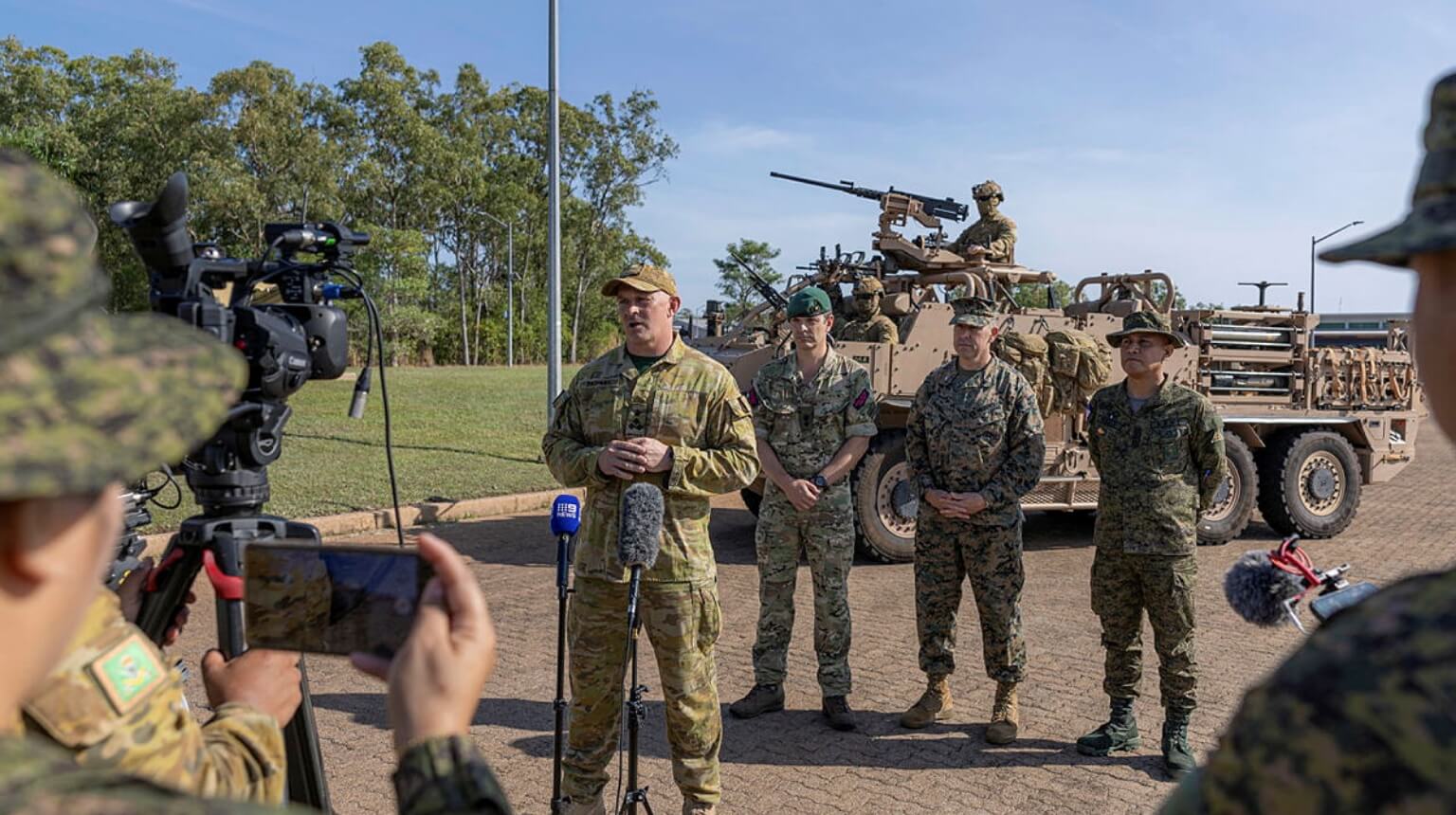


In what officials are describing as “critical investments", the Albanese government has committed to revitalising key Air Force, Army and Navy installations across the Top End – from RAAF Base Learmonth to the Cocos (Keeling) Islands, HMAS Coonawarra and the Naval Communication Station Harold E Holt – as part of a strategic shift towards deterring and denying aggression from potential adversaries.
But even as bulldozers break ground in the north, Australia’s most serious vulnerabilities may lie not on the tarmac of an airbase or the wharves of a naval station, but in the circuitry of everyday devices and the soft underbelly of a hyper-globalised economy.
Recent reporting has uncovered that Chinese-made solar inverters, batteries and grid components – now ubiquitous across Australian homes, businesses and critical infrastructure – have been embedded with “rogue” communication technologies, raising fresh alarms about the reach and sophistication of Beijing’s grey zone warfare. These revelations, described by former National Security Agency director Mike Rogers as part of a broader campaign to keep Western infrastructure “at risk of destruction or disruption”, point to a new kind of battlefield – one that doesn’t begin with a missile, but with a microchip.
The potential for foreign-state interference through commercial technologies is not new. In 2018, Australia became the first nation to ban Huawei from its 5G rollout, citing insurmountable national security risks. The move was hailed internationally as a decisive shift towards “security-first” procurement in critical infrastructure. But in the years since, Australia has arguably let its guard down. While telecommunications networks were hardened, the nation’s transition to renewables, smart technology and Chinese-imported consumer electronics has expanded the aperture for compromise.
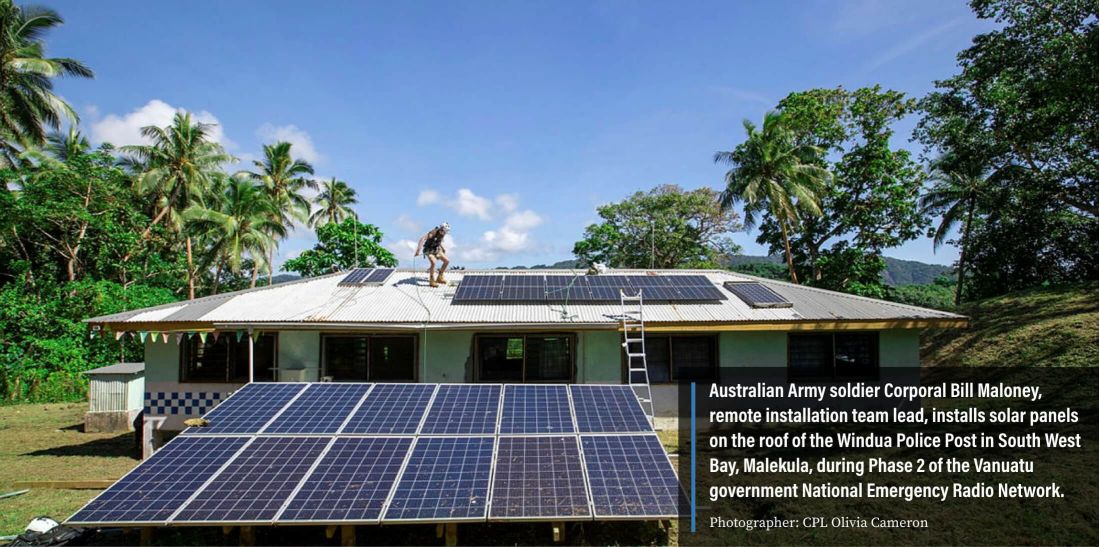
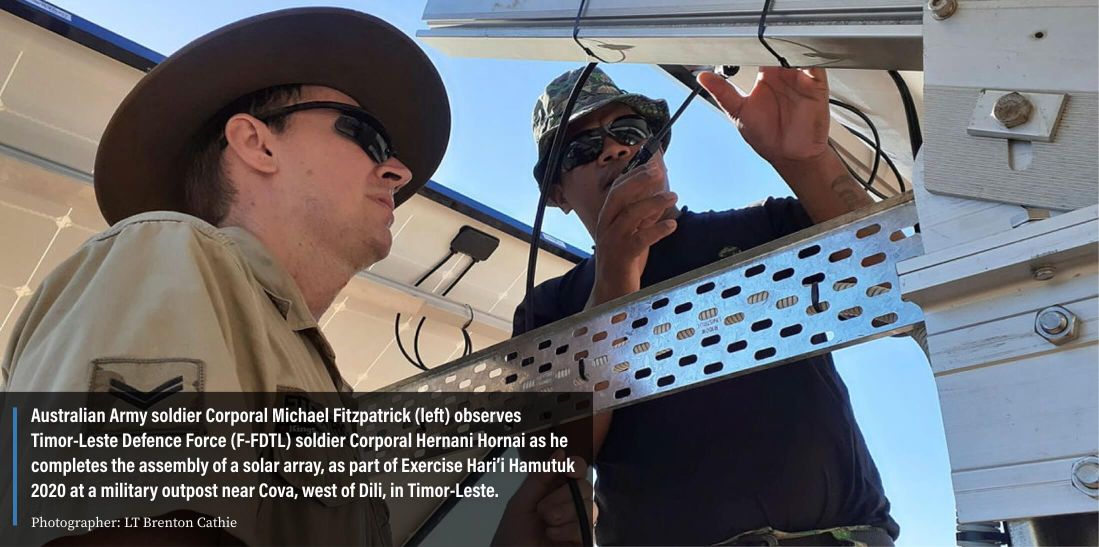
The numbers tell the story. China controls upwards of 80 per cent of the global solar supply chain, including inverters – the digital brains of solar systems. These are not passive components; they connect to homes, businesses and increasingly, to broader power grids. Their compromise poses not just economic or privacy risks, but a credible vector for sabotage, coercion or strategic paralysis in a time of crisis.
The risk compounds when viewed through the lens of Australia’s decades-long economic restructuring. Since the 1990s, the country has shifted from an industrial base to a service-heavy, consumption-driven economy, deeply reliant on Chinese demand for its raw commodities. In parallel, manufacturing has withered, sovereign capability has declined and global supply chains – once optimised for efficiency – have become chokepoints of vulnerability.
The COVID-19 pandemic and diplomatic spats over virus origin investigations exposed how rapidly China can leverage economic interdependence into strategic coercion. Now, the threat matrix has expanded into solar panels, electric vehicles, home appliances and even social media platforms – with apps like TikTok and university-affiliated Confucius Institutes furthering the reach of Chinese influence operations.
Can hardened bases in the Northern Territory and Queensland alone counter this kind of adversary? Not likely.
The real danger, as underscored by US lawmakers introducing bans on Chinese-manufactured batteries and inverters, lies in the invisible – the code buried in imported hardware, the signals emitted by compromised devices and the systemic exposure of national infrastructure to silent disruption. The battlefield is no longer just physical, but digital, commercial and social.
The battlefield is no longer just physical, but digital, commercial and social.”
Australia’s “Future Made in Australia” initiative and push to reshore solar manufacturing are a step in the right direction but face a steep uphill battle against Beijing’s industrial dominance and economies of scale. Without a concurrent and aggressive national program of reindustrialisation – one that strengthens domestic supply chains, advances secure tech manufacturing and reduces dependency on authoritarian states – the nation’s defensive posture will remain incomplete.
What is required now is a dual-track strategy: continue strengthening the physical military footprint in the north while confronting the economic, technological and informational comorbidities that have accumulated over decades. Strategic resilience cannot come from concrete and radar arrays alone. It demands a broader recalibration of risk – from the devices on our roofs to the dependencies in our balance sheets.
Australia has led before. In rejecting Huawei, it shifted the global consensus on telecommunications security. It must now do the same for the digital infrastructure embedded in our energy, commerce and daily lives.
The lesson is clear: base hardening is necessary – but insufficient. The true war may already be happening, silently, in the background code of the nation.