






Shaping the future of Australian airpower
In an era defined by rapid technological evolution and geopolitical flux, the significance of airpower in Australia’s defence strategy cannot be overstated. As we navigate the complexities of the Indo-Pacific region, air superiority remains a cornerstone of national security, enabling deterrence, rapid response, and operational dominance.
This issue of the Defence Connect Special Report delves into cutting-edge advancements that underscore airpower’s pivotal role, from collaborative uncrewed systems to stealth bombers and autonomous maritime capabilities. These innovations not only enhance Australia’s defensive posture but also align with our alliances, particularly under frameworks like AUKUS.
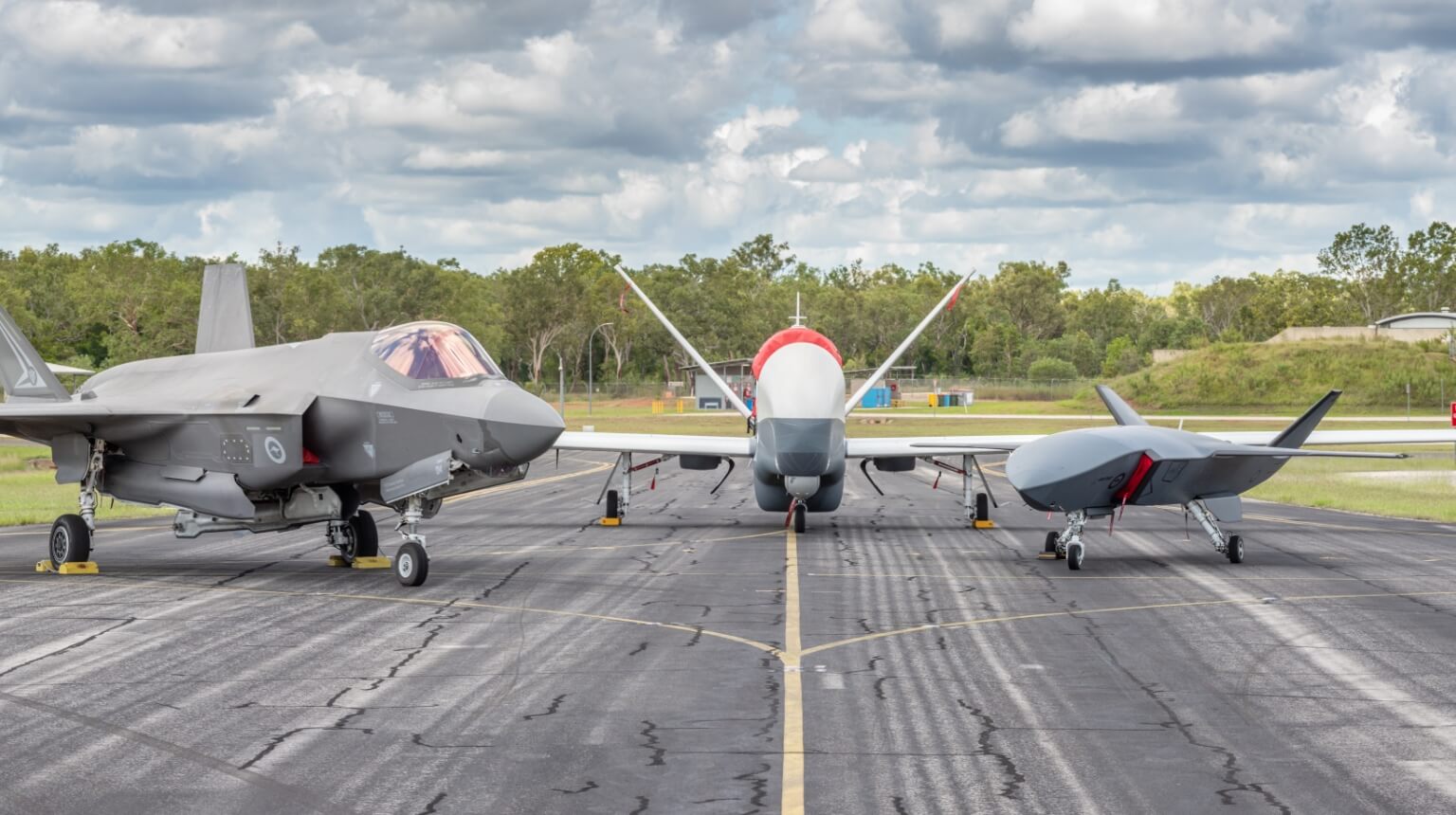
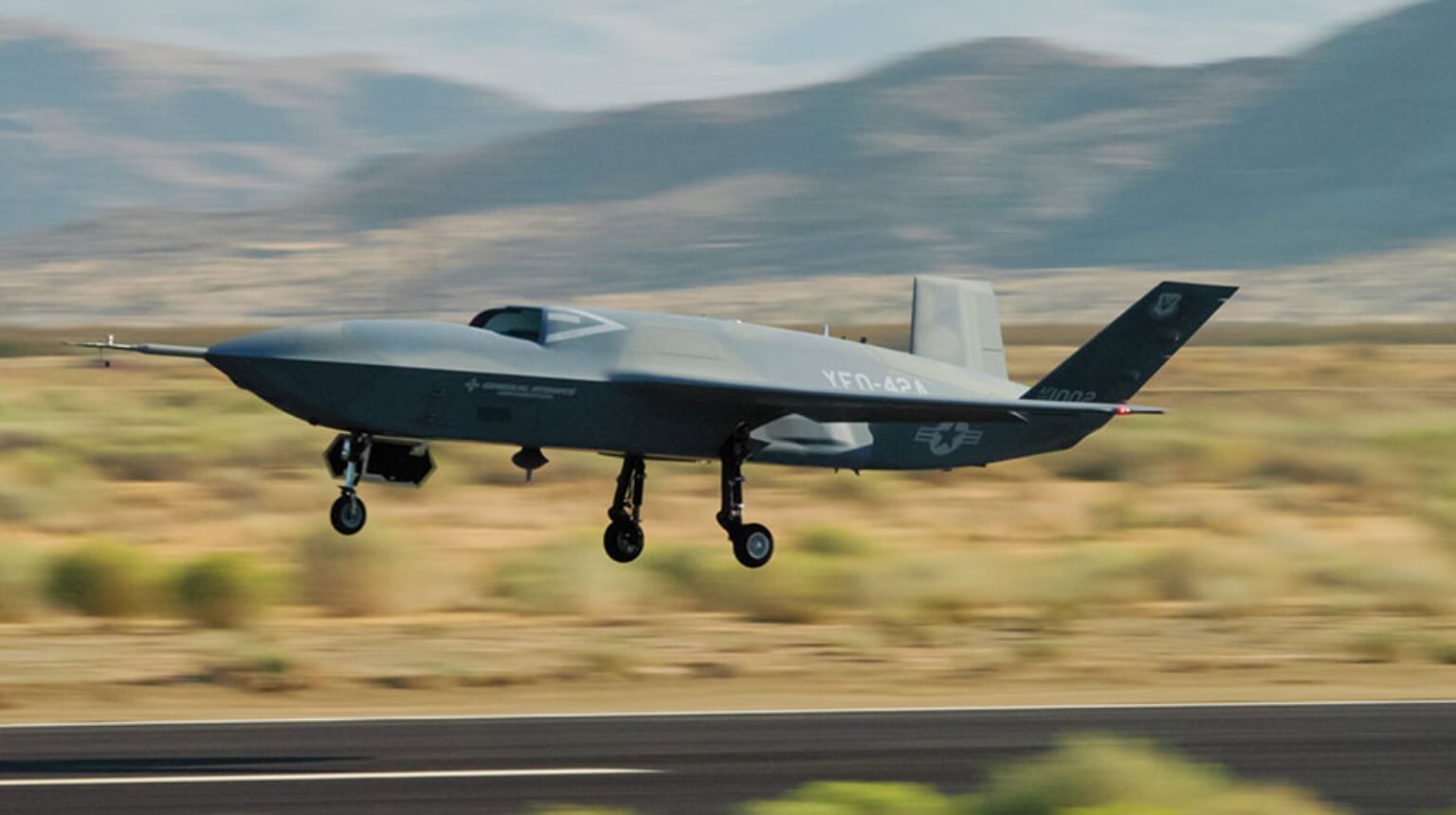
Consider the US Air Force’s Collaborative Combat Aircraft program which heralds the rise of the uncrewed wingman. These autonomous drones, designed to operate alongside manned fighters like the F-35, extend mission reach by performing high-risk tasks such as reconnaissance, electronic warfare, and even kinetic strikes.
For Australia, integrating similar systems – such as our own Boeing MQ-28 Ghost Bat – promises a force multiplier in contested environments. What’s next? The evolution towards swarming tactics, where fleets of low-cost, AI-driven aircraft overwhelm adversaries, demands that the Royal Australian Air Force accelerate its adoption of these technologies to maintain interoperability with US forces.
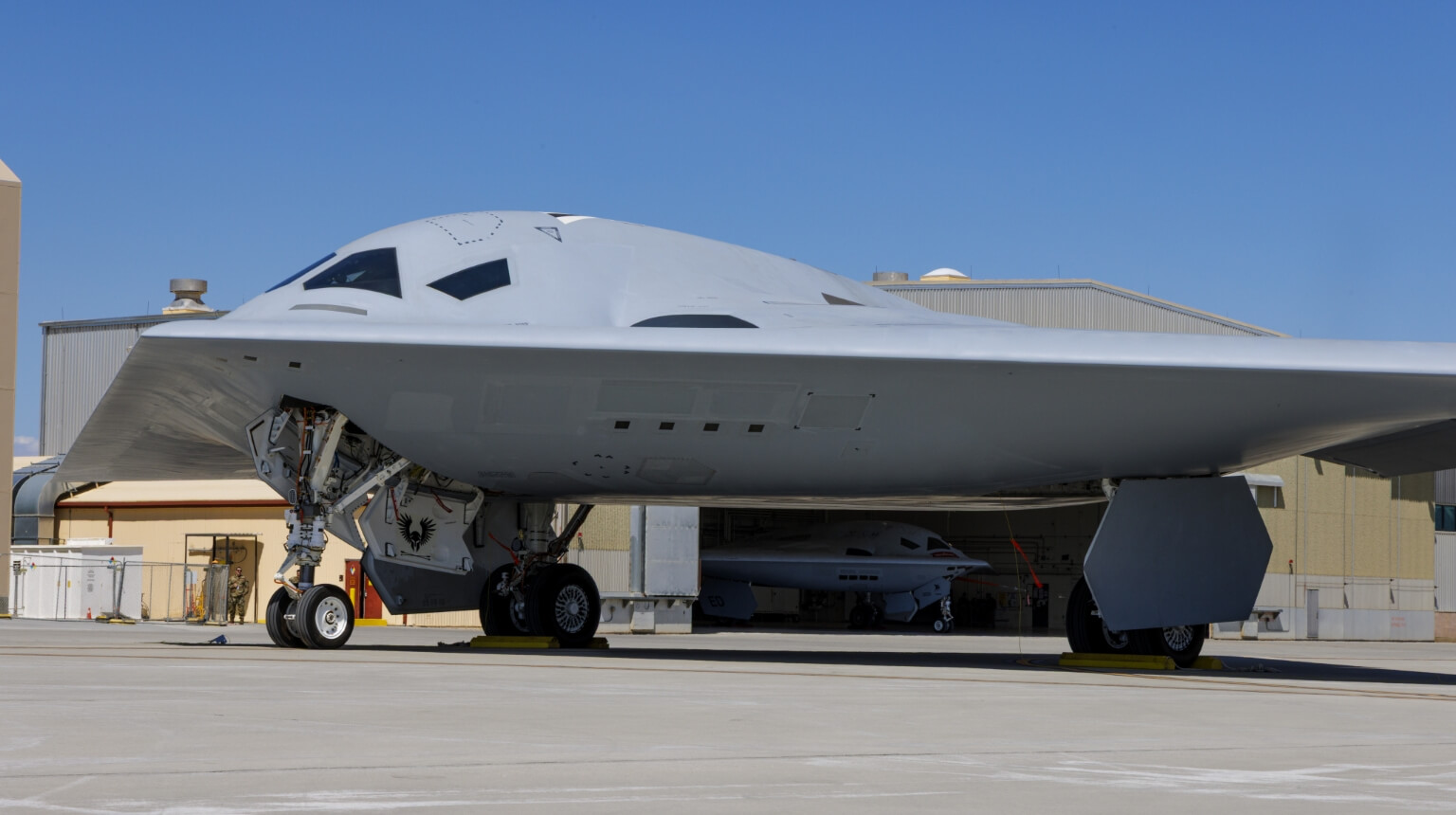
Equally transformative is the B-21 Raider, the US’ next-generation stealth bomber set to enter service in the coming years. With its advanced stealth, long-range strike capabilities and ability to penetrate sophisticated air defences, the B-21 represents a leap in strategic deterrence.
For Australia, this platform’s deployment in the Indo-Pacific could bolster coalition operations, providing persistent surveillance and precision strikes against potential threats. As we enhance our own long-range capabilities, the B-21’s integration into joint exercises will be crucial for addressing grey-zone challenges from state actors.
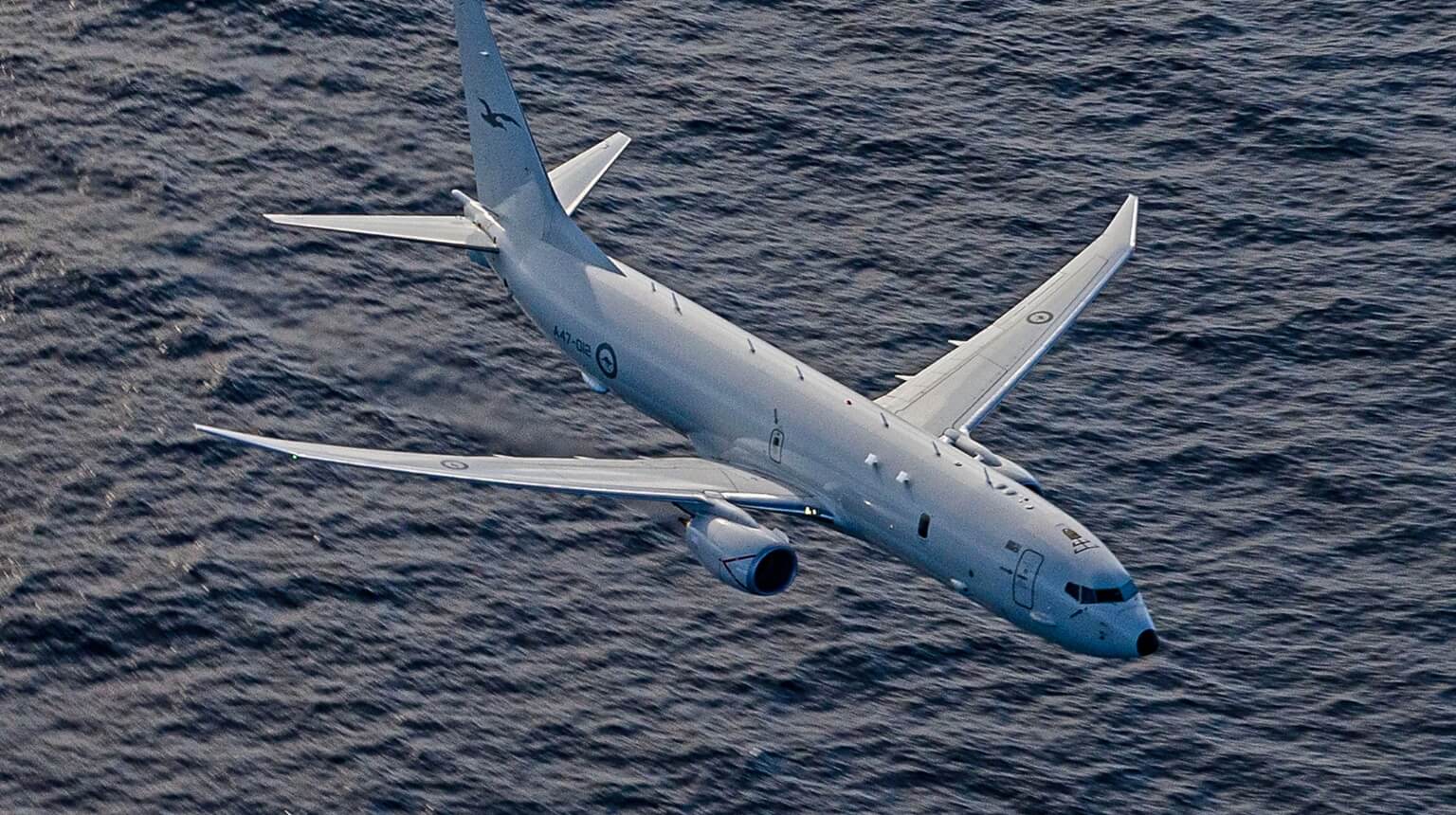
Adapting to an autonomous and uncrewed future in maritime aviation is another imperative. Australia’s vast maritime domain requires persistent monitoring, where uncrewed aerial vehicles like the MQ-4C Triton excel in anti-submarine warfare and intelligence gathering.
By leveraging AI for real-time data analysis, these systems reduce crew risks and operational costs, allowing seamless integration with naval assets such as the Hobart Class destroyers. This shift towards uncrewed platforms ensures Australia can sustain operations across the Indian and Pacific oceans, countering submarine proliferation and securing vital sea lanes.
Finally, a new strategic horizon beckons for the RAAF in the Indo-Pacific. Amid rising tensions, from the South China Sea to the Taiwan Strait, the RAAF must pivot towards expeditionary airpower, emphasising agility and alliances.
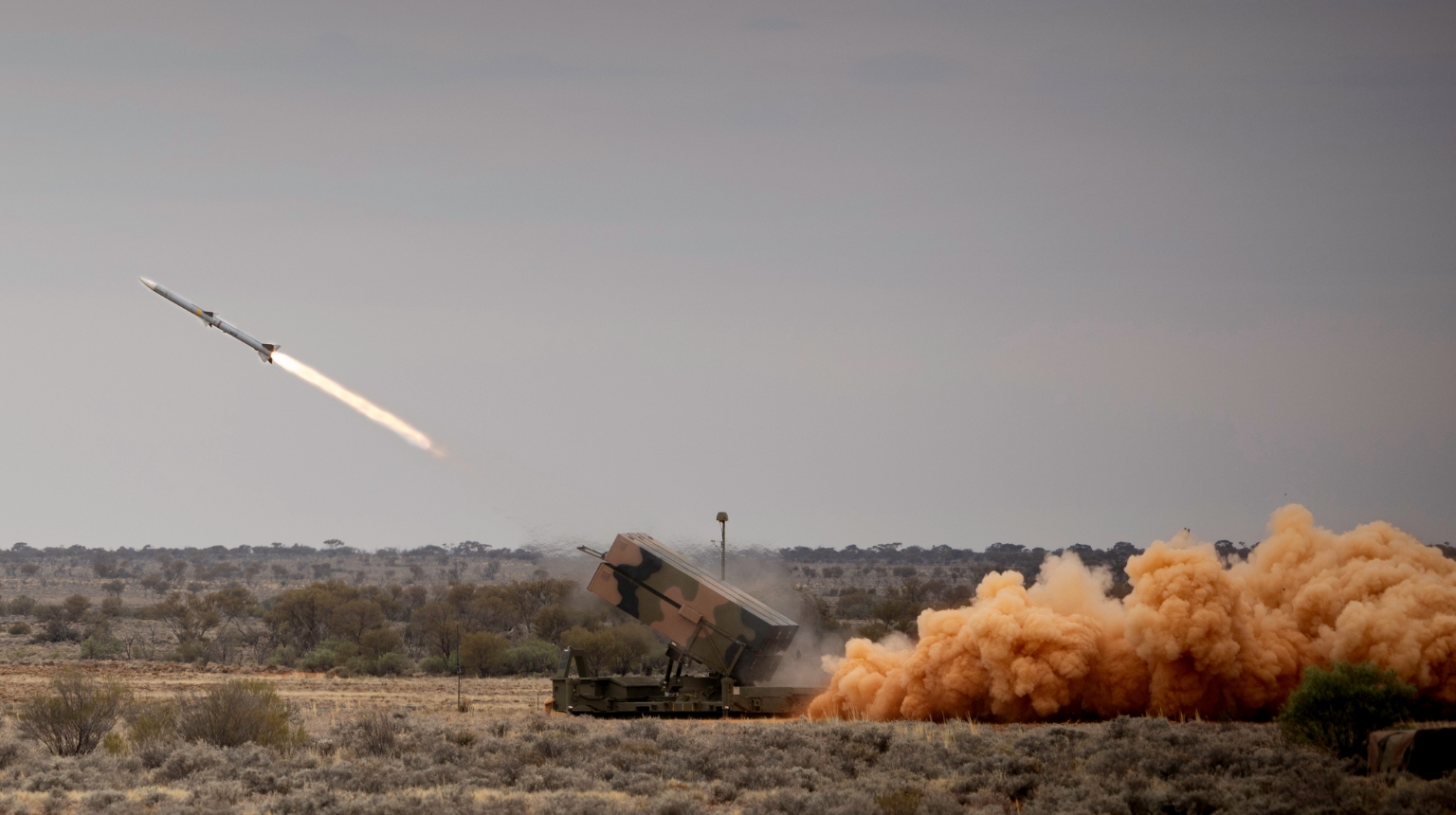
Investments in hypersonic technologies and space-based assets will enable the RAAF to project power farther and faster, deterring aggression while supporting regional partners like Japan and India.
In conclusion, airpower’s evolution is not merely technological – it’s a strategic necessity for Australia. By embracing these advancements, we fortify our sovereignty and contribute to a stable Indo-Pacific. As editor, I urge policymakers and defence leaders to prioritise funding and innovation in this domain. The skies are our front line – let’s ensure we’re ready to defend them.
Warm regards,
Steve Kuper
Lead - Defence & Aerospace