

 iscover
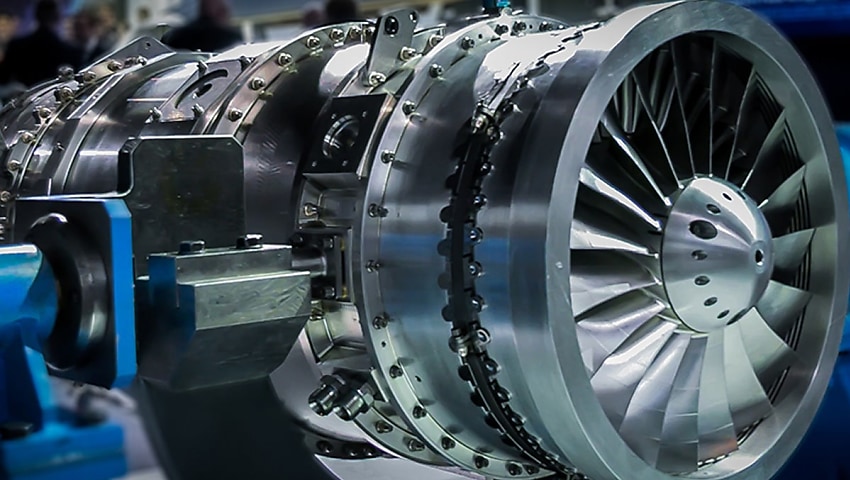
Rolls-Royce has played a key role in a pioneering recycling initiative – dubbed Tornado 2 Tempest – that has transformed decommissioned Royal Air Force Tornado components into powdered metal, which are then used to 3D print new parts for the Orpheus small engine concept.
As part of the Future Combat Air System (FCAS) program, Orpheus serves as a test bed for cutting-edge aviation technologies. This project highlights the potential for recycled materials to be incorporated into the next-generation Tempest combat air platform, a critical element of Rolls-Royce’s Grow Combat strategic initiative.
The UK Ministry of Defence (MOD) holds surplus assets, including spare and damaged components, which contain valuable strategic metals such as high-quality steel, aluminium and titanium. The Tornado 2 Tempest project team explored whether these components could be atomised into powders – known as “feedstock” – to be used in additive manufacturing for new parts.
The team successfully extracted titanium from Tornado components, including jet engine compressor blades, and converted it into powder. This process enabled the production of 3D-printed nose cones and compressor blades, demonstrating the feasibility of repurposing materials for future applications. Rolls-Royce then installed a 3D-printed nose cone onto an Orpheus test engine, running it under test conditions to assess its safety and suitability – yielding positive results.
The initiative was led by Defence Equipment and Support’s (DE&S) Defence Recycling & Disposals Team (DRDT), in partnership with the MOD FCAS team, Rolls-Royce, and Burscough-based Additive Manufacturing Solutions Limited (AMS). Funding was provided by UK Strategic Command’s Defence Support Organisation under its Circular Economics for Defence Concept Note, reinforcing the viability of sustainable materials reuse in the defence sector.
Andrew Eady, Rolls-Royce VP for FCAS sustainability, emphasised the significance of the project, saying, “The Tornado 2 Tempest project exemplifies the forward-thinking sustainability principles embedded in the FCAS Sustainability Strategy and MOD Defence Support Strategy. At Rolls-Royce, we continue to be leaders in circular economy practices and innovative digital enablers to support our steps to be a lower carbon and digitally enabled business. This is a bold, exciting and innovative project that demonstrates how collaboration between the MOD, industry and SMEs can deliver sustainable and technologically advanced solutions.”
The project also trialled a digital product passport, recording material provenance and life cycle data. This technology has the potential to enhance decision making around resource allocation and protect against counterfeit materials.
Thomas Powell, DRDT’s strategic and submarine recycling senior commercial manager, highlighted the long-term benefits, explaining, “Not only can this solution reduce the costs and burden of sourcing critical and high-value metals, but it can also produce components that are lighter, stronger and longer-lasting than those made through traditional forging techniques, further enhancing the MOD’s overall sustainability and effectiveness.”

A team of over 80 specialists – including DRDT’s commercial graduates and Rolls-Royce graduate apprentices – contributed to the project, leveraging a combination of existing expertise and emerging technologies to support future defence capabilities.
Squadron Leader Rob, FCAS’ sustainability requirements manager, underscored the strategic impact of initiatives like Tornado 2 Tempest:
“Innovative technology initiatives such as Tornado 2 Tempest could reduce the RAF’s dependence on lengthy and costly supply chains, allowing us to sustain operations for longer, with the associated benefit of reduced emissions and waste. Through the expected life cycle of the UK’s FCAS, access to critical materials will become increasingly competitive, making it vital to maximise the use of raw materials already available.”
In recognition of its impact, the MOD’s chief of defence logistics and support (CDLS) awarded Rolls-Royce a CDLS commendation for its commitment to enhancing front-line support through sustainable and innovative processes.
AMS director Robert Higham celebrated the project’s success, saying, “At AMS, our tagline is ‘Innovative Solutions for a Sustainable Future,’ and we were confident our innovations would play a crucial role in securing a resilient supply chain. This project has turned our proposed solutions into reality, and we are grateful to the MOD and Rolls-Royce for providing us with the opportunity to showcase game-changing circular economy processes for the defence sector.”
The success of Tornado 2 Tempest marks a significant step towards integrating sustainable manufacturing practices into the defence industry, ensuring greater material resilience and reduced environmental impact for future combat air systems.

Want to see more stories from trusted news sources?
Make Defence Connect a preferred news source on Google.
Click here to add Defence Connect as a preferred news source.