

 iscover
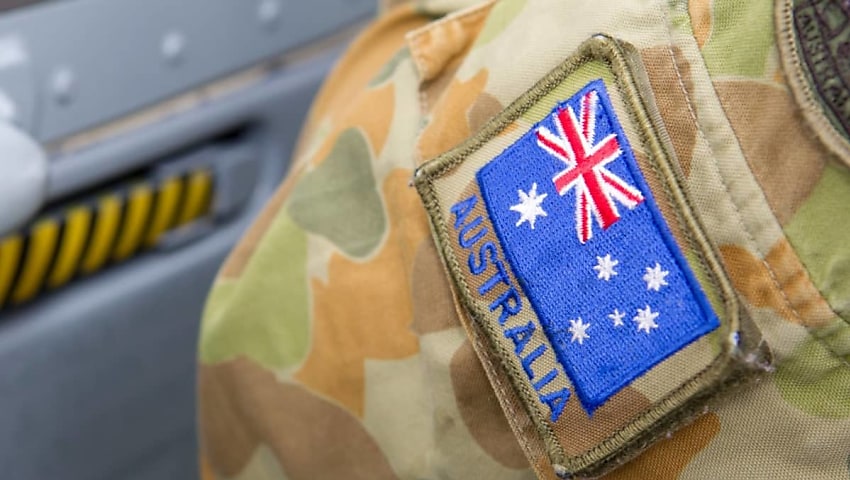
A new survey sheds light on the barriers ADF veterans must overcome once they leave their uniforms behind.
We’ve examined some of the challenges facing ADF veterans after they leave the military as well as some of the advantages they bring to their employers once they secure a role. However, the simple fact is that for many, this transition is a time of unique challenges.
New research – revealed this month by veteran-led DVA claims management firm KSC Claims – has dug down into some of the specific challenges faced by our veterans, from the biggest barriers holding them back from a nine-to-five role to the mental and physical tolls exacted by their time in service.
Some good news
While challenges do persist, it’s actually not all doom and gloom. KSC’s survey – third-party survey platform PureProfile and taking answers from 160 current servicemembers and veterans – found that 57 per cent of respondents were able to find employment in less than three months. Thirteen per cent took between three and six months, while 7 per cent said it took them six to 12 months to find work.
Sadly, 12 per cent of respondents took between one or more years to find an employer, while 2 per cent were still looking.
As to what’s holding veterans back, it’s quite an even spread. Twenty-seven per cent cited a lack of civilian skills and between 16 and 22 per cent found an array of barriers, including difficulty in translating their military skills into employment (22 per cent), limited professional networks (21 per cent), and physical injuries or disabilities (19 per cent).
Thankfully, only 11 per cent of veterans found that employers were biased against hiring a veteran, though slightly more than one in ten is still a disappointing figure.

When veterans do find work, it’s most commonly in education, government and social services, where 29 per cent of respondents found themselves. Construction and engineering, primary industries (such as mining and forestry), and health and emergency services all followed not far behind.
“These industries may offer familiar structures, clear purpose, or hands-on roles that align with military experience, making the transition into civilian work a little easier for some,” KSC said in a blog post sharing the data.
“These findings closely reflect the 2021 census, which shows veterans are most likely to be employed in public administration and safety (17.2 per cent), healthcare and social assistance (10.8 per cent), construction (9.0 per cent), and education and training (6.7 per cent). While the categories don’t map perfectly, it’s clear that many veterans are drawn to sectors with stability, service and structure, qualities that echo life in the ADF.”
And some less than good news
Physical issues have arguably the largest impact on veterans once they leave service, particularly tinnitus or hearing loss. Almost half of those surveyed, 44 per cent, reported some damage to their hearing, mostly linked to noise exposure while in uniform.
“These are also the top two most commonly accepted conditions in DVA claims, pointing to a clear and well-established connection between military service and long-term auditory damage,” KSC said.
Chronic pain and issues sleeping affected 34 per cent of veterans alike, alongside mobility issues, which 28 per cent of those polled reported. Feelings of fatigue, breathing difficulties and neurological issues were also found to be evident, though not to the same degree.
Anxiety is the most common mental health issue, impacting 21 per cent of respondents. Depression follows at 15 per cent, while 12 per cent experienced post-traumatic stress disorder or suicidal ideation. Four per cent reported issues with substance abuse.
“Interestingly, one in four (25 per cent) currently serving members express concern about how their physical injuries or long-term health issues might impact their future transition to civilian life,” KSC said.
These health issues manifest in several ways, with disturbances in sleep and trouble exercising impacting almost half of the respondents. Reliance upon medication and problems socialising are also common, affecting roughly a third of veterans.
Strained relationships, concentration issues and trouble accomplishing daily tasks were all reported, though to a lesser degree, and roughly one in 10 noted that their ability to manage money or maintain a job was impacted by the medical conditions earned while serving.
Support matters
These stats are just the tip of the iceberg. A sizable proportion of ADF veterans reported issues connecting socially, a loss of purpose, and even, for some, financial and housing instability, just to name a handful of the challenges KSC’s survey found.
“Our research highlights the significant hurdles veterans face, not only in finding work but also in staying employed. More than half told us they struggled to secure a job, with one in five searching for over six months, and some still looking years later,” Luke Armstrong, founder and CEO of KSC Claims, told Defence Connect.
Veterans bring a wealth of skills to any workplace, but too many workplaces continue to fall short.
“While veterans bring valuable skills such as leadership, resilience, teamwork and problem-solving, many find it difficult to translate these strengths into civilian roles, particularly when barriers like employer bias, physical injury, disability or mental health challenges come into play,” Armstrong said.
“Encouragingly, we’re seeing many veterans succeed in industries such as education, government, construction, engineering and agriculture where their hands-on experience and problem-solving skills are highly valued.
“But it’s clear that the road to long-term success is much smoother when comprehensive support systems are in place.”
You can read KSC Claims’ full report, Reintegration into civilian life for Australian veterans, here.
Want to see more stories from trusted news sources?
Make Defence Connect a preferred news source on Google.
Click here to add Defence Connect as a preferred news source.