iscover

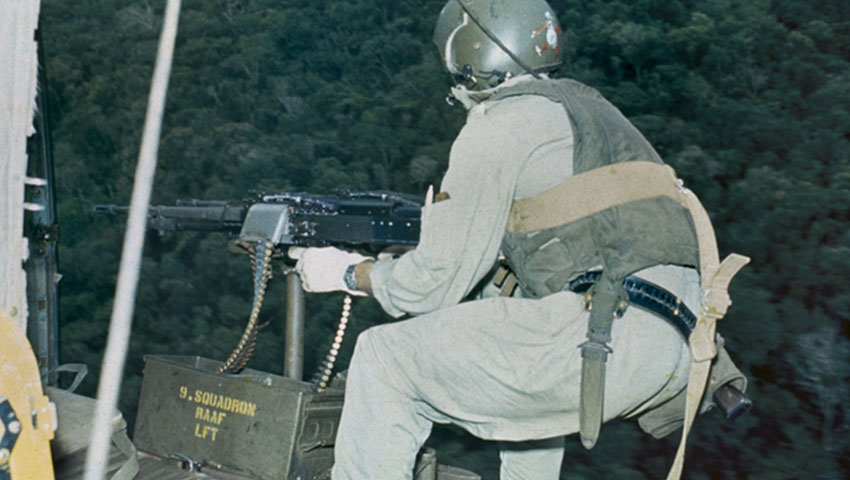
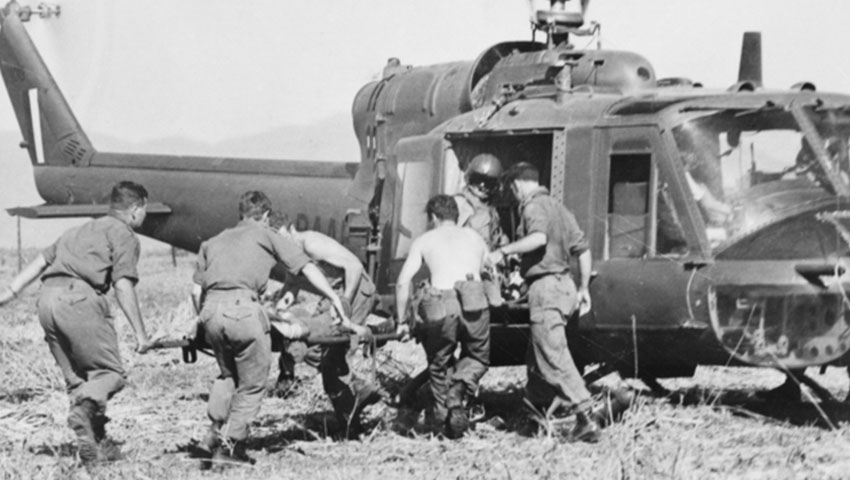
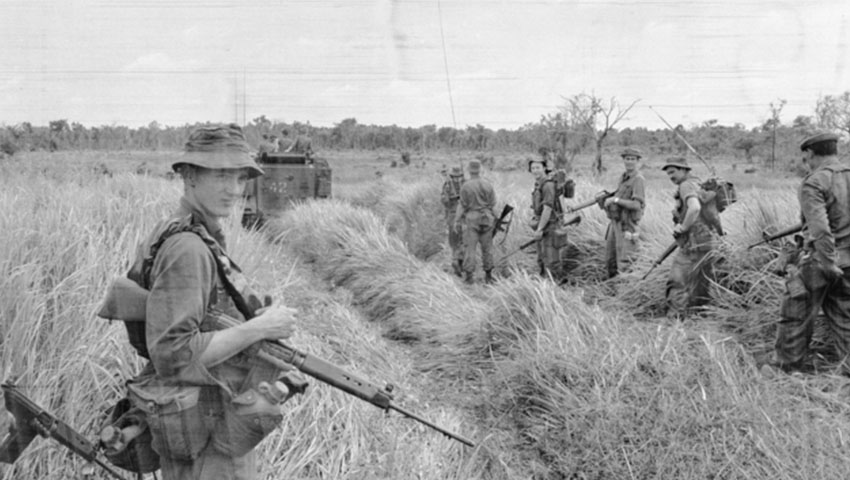
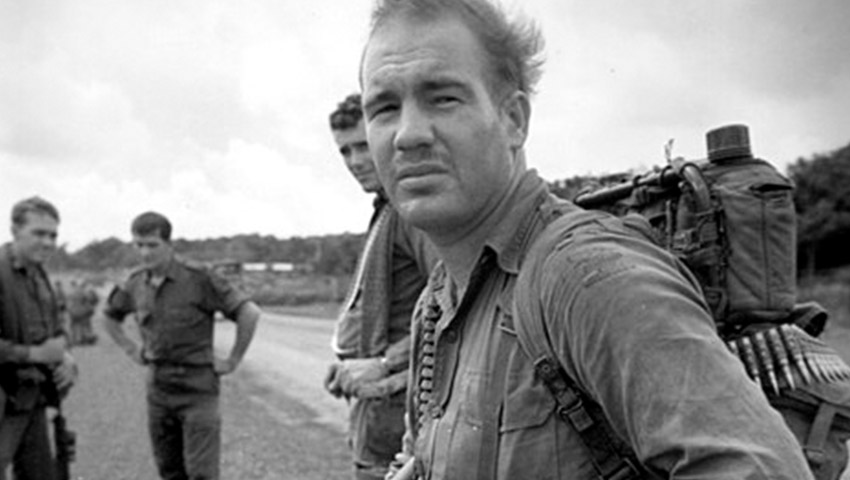
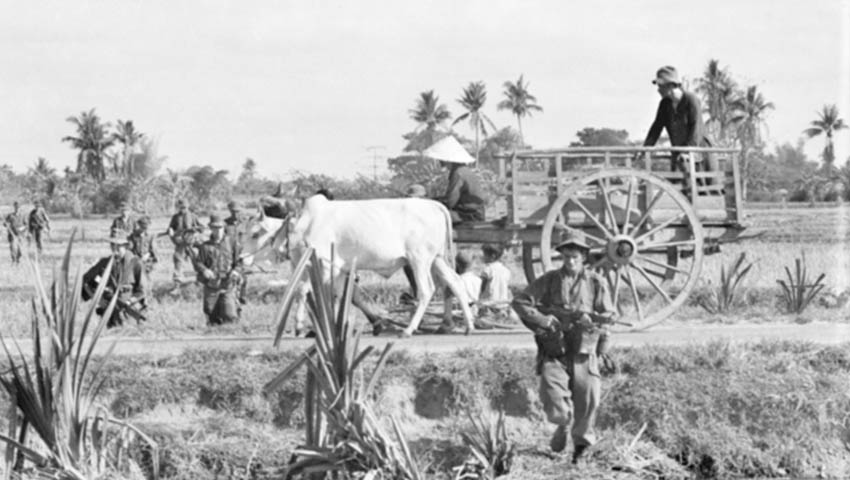
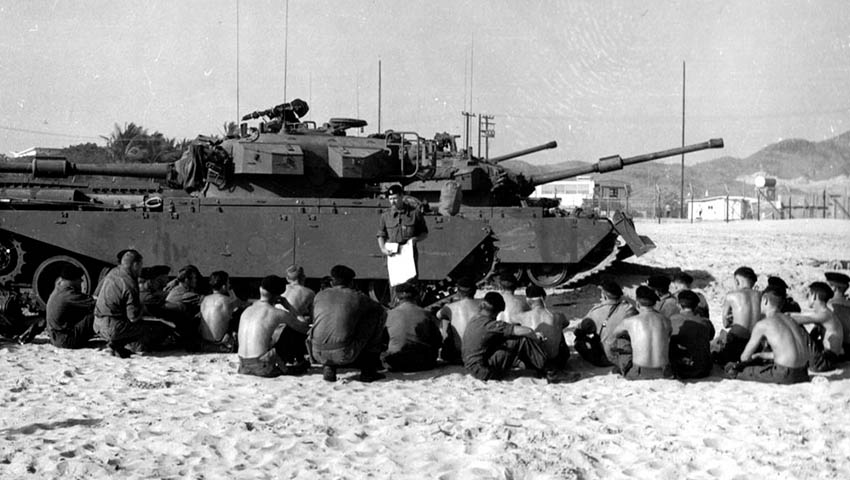
In the early ’60s, South Vietnamese leader Ngo Dinh Diem called for assistance from the US and the Western world against the communist north. Like most allies, Australia would answer his call, eventually committing almost 60,000 Australian troops in support of the newly-formed South Vietnamese republic.
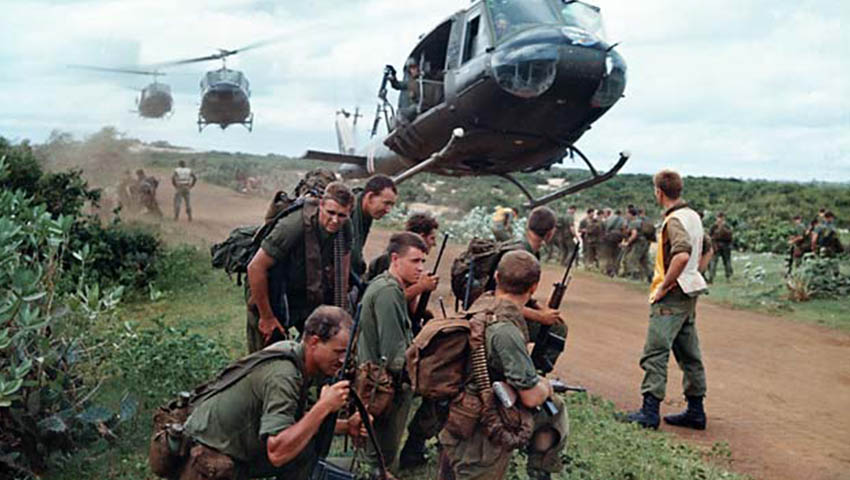
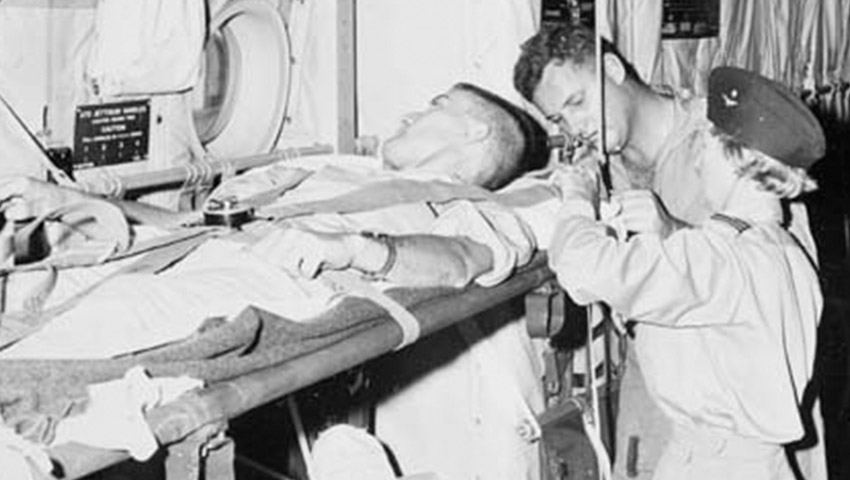
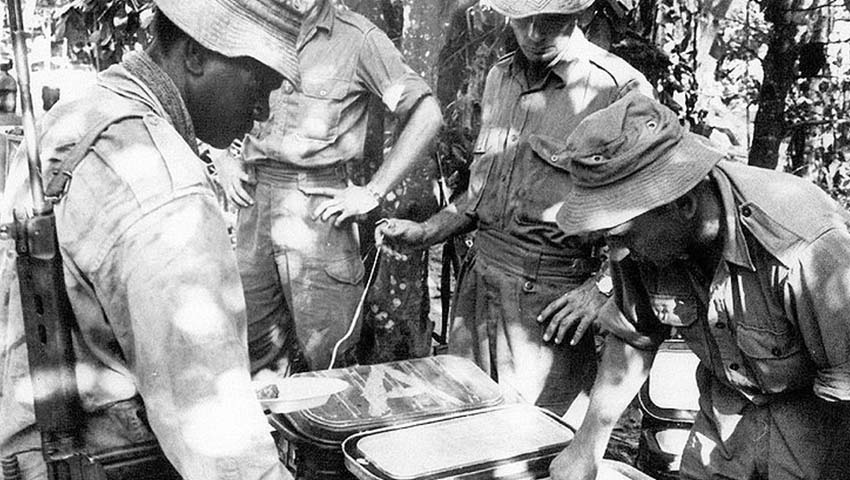
Australian presence in Vietnam, which began under prime minister Robert Menzies, was kicked off by the cautious deployment of a contingent of 30 military advisers. Over the following decade, ADF numbers in the Southeast Asian nation would wax and wane - at its peak in 1965, almost 8,000 Australian personnel contributed to counterinsurgency efforts against Viet Cong guerrilla factions.
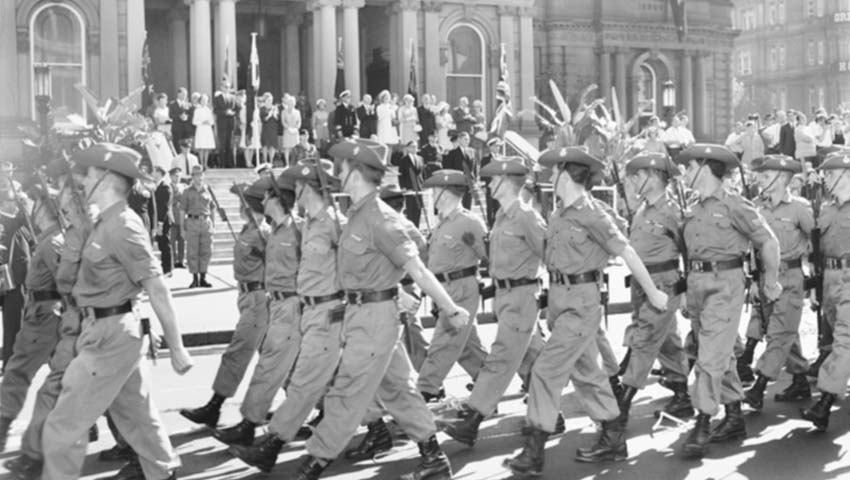
At early stages, Australian participation in Vietnam did not face strong domestic opposition. But as numbers grew under Menzies' lead (including conscripts), the pacifist movement grew larger and more vocal. By the early ’70s, marches and protests were being held on a regular basis in the streets of Sydney, Melbourne and Canberra.
In 1973, Australia began to draw down on troop presence in-country, but it would continue security support to consular staff within Vietnam through to the end of the war in 1975. In November of that year, forces were briefly redeployed to assist the Australian Embassy Platoon in efforts to evacuate embassy employees and stranded Australians.
Defence relations were not formalised between the Socialist Republic of Vietnam (SRV) and Australia until February 1999, but today the two countries maintain strong bilateral diplomatic and strategic ties.
Want to see more stories from trusted news sources?
Make Defence Connect a preferred news source on Google.
Click here to add Defence Connect as a preferred news source.