

 iscover
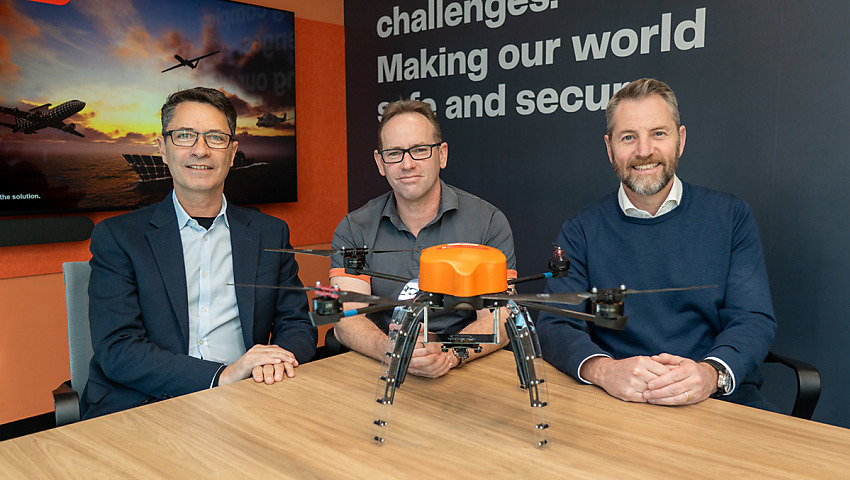
Nova Systems has announced a major international partnership with Canada’s renowned International Test Pilots School (ITPS), signing a memorandum of understanding (MOU) to develop and deliver advanced aerospace and uncrewed systems flight training.
The agreement will see the two organisations collaborate on the local delivery of ITPS training programs, jointly develop new aerospace and uncrewed training courses, and integrate Nova Systems’ advanced Test and Evaluation (T&E) training into the ITPS curriculum.
The partnership brings together Nova Systems’ leadership in T&E capability with ITPS’ global reputation in flight test training, aiming to support growing demand from Defence and government sectors in both Australia and Canada, as well as internationally.
“Partnering with ITPS supports our commitment to delivering world-class T&E solutions and cutting-edge training that evolves with the needs of our Defence and government clients,” said Dean Rosenfield, CEO of Nova Systems.
Nova Systems, headquartered in Australia, is embedded in the Latrobe Valley Technology Precinct, where it accesses advanced test facilities and controlled airspace to trial and evaluate uncrewed aerial systems (UAS). The company is also at the forefront of integrating digital engineering and AI technologies into flight test processes.
ITPS, which has long served air forces and aerospace professionals worldwide, trains pilots and engineers in flight test roles across fixed-wing, rotary-wing, and uncrewed platforms. The collaboration with Nova Systems could pave the way for the establishment of a UAS training hub in Australia, enhancing regional access to specialist training and strengthening strategic and technological ties between the two nations.
“This agreement expands our global reach and supports the development of highly skilled professionals who are ready to lead in today’s complex aerospace and Defence environment,” said ITPS CEO Dave Lohse.
“Together, we’re building a stronger, more agile training ecosystem to meet the demands of future air power and technology.”

The move comes as Defence organisations increasingly seek sovereign and collaborative solutions to meet the fast-growing need for uncrewed systems expertise and advanced flight testing capabilities.
Want to see more stories from trusted news sources?
Make Defence Connect a preferred news source on Google.
Click here to add Defence Connect as a preferred news source.