

 iscover
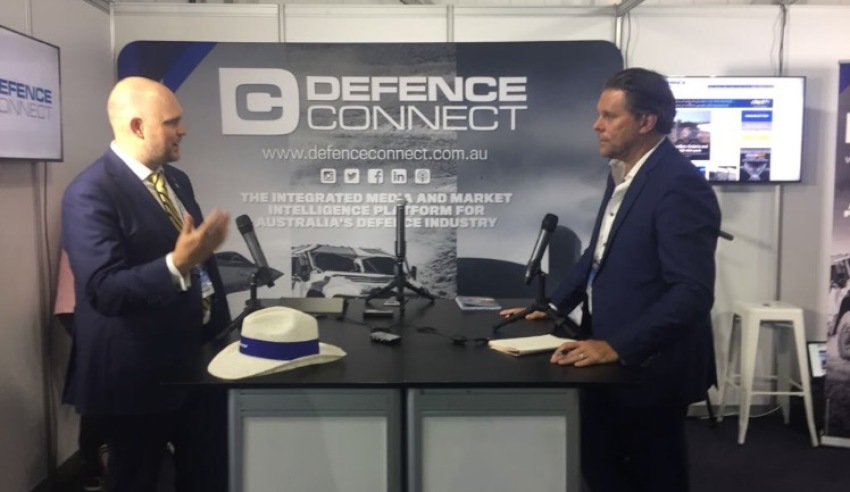
Boeing’s Phantom Works International director Shane Arnott caught up with Defence Connect to divulge some key aspects of the way the innovation and research unit operates.
"We've sort of got three major functions," Arnott told Defence Connect. "One is what we call the 'engage to understand' function and we use simulation to work with our customers [and] understand what their needs are in the future, so it's using operations research and things like that."
While Arnott acknowledged that part of his team’s brief involved the picturesque notion of mega-reclusive boffins in secluded research labs cooking up the next game-changing capability, the main focus of this operational pillar homed in on the customer and their primary concerns.
"So we say, 'What are you worried about?'" Arnott noted, saying often the customer would express concern about how to address competitors who may have access to next-generation equipment.
"Once we've figured out what their needs are, we theorise, [mulling] 'wouldn’t it be great if you had a new weapon, a new UAV, a new data link?'" he said. "Whatever that is, that will then identify a whole heap of technologies that we need to go out and find, and we call that the Innovate phase."
Finally, Arnott arrived at the Create phase, which is where the Boeing unit actually builds the prototypes.
"[These] are the new products and services that the Boeing defence side of the business then turns around and takes to market," he said. "[For] anything that's new, we go through that process [to] understand the customers' needs [and] identify the technologies that need to come out of that."
"Once we have all the pieces we then cook that into a prototype that we can show the customer and say, 'How many do you want?'" Arnott said. "That's how the process works."


Want to see more stories from trusted news sources?
Make Defence Connect a preferred news source on Google.
Click here to add Defence Connect as a preferred news source.