

 iscover
The long-awaited request for tender (RFT) for the Australian Defence Force Deployable Health Capability (JP2060 Phase 3) has been released, with a closing date of 9 November this year.
Phase 3 aims to introduce an entire system (mission system), inclusive of all medical and dental equipment (‘a turn key’ solution) and designed to operate as an integrated capability.
This mission system, in concert with support aspects (support system), is to be designed to evolve over time as health technology develops. The total integration of the acquisition and support facets of the capability from the outset is a new and innovative approach for Defence’s Deployable Health Capability (DHC).
The RFT calls for a completely deployable health facility that allows for three layers of healthcare: primary, triage and specialist.
The solution needs to include physical structures, power, water, waste disposal facility, the generation, storage and distribution of oxygen and the supply and support of all medical and dental equipment. The solution also needs to be modular, with the ability to evolve as health technology changes.
To deliver on this particular requirement, a two part contract will require tenderers to respond against the acquisition phase (design, development, implementation) and the support phase. It is hoped many primes and SMEs will collaborate under this arrangement.
The generous timeframe of the RFT is to allow for collaborative arrangements between companies so that the full scope of the contract can be met.
An industry briefing will be conducted in Melbourne at a location to be advised commencing on 26 July 2017.

Representatives of prospective tenderers at the briefing will be limited to three personnel unless prior approval of additional attendees has been granted. Nominations to attend the briefing are to be forwarded in writing to the contact officer no later than five working days prior to the industry briefing.
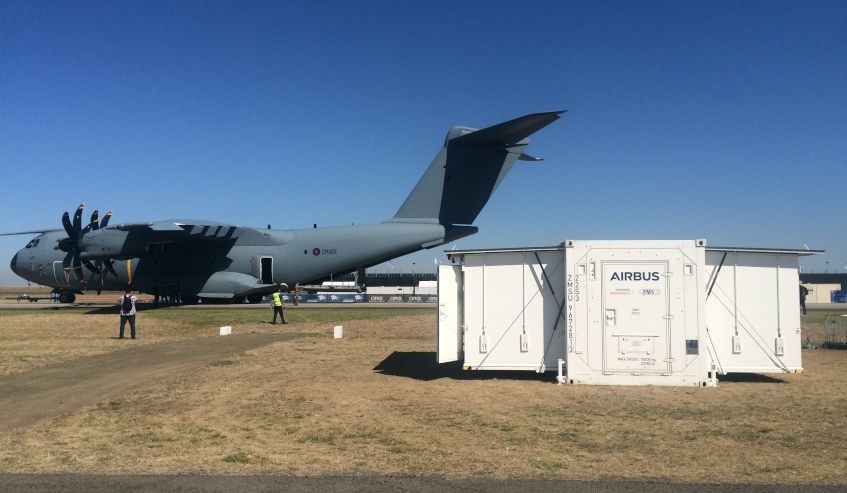
So far, Airbus and Siemens Healthineers have partnered in a teaming arrangement to jointly bid for the project, along with Saab, Aspen Medical, Philips and Marshall.
Leidos Australia has also sought out Australian SMEs to facilitate its bid for the project.

Want to see more stories from trusted news sources?
Make Defence Connect a preferred news source on Google.
Click here to add Defence Connect as a preferred news source.