

 iscover


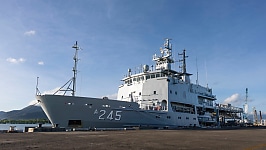



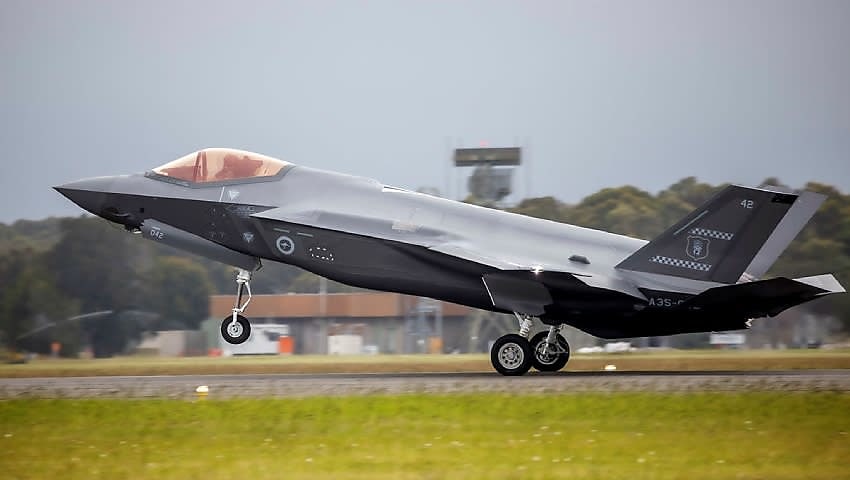
The deteriorating regional security environment is set to trigger a material increase in annual defence spending over the next five years, according to research group GlobalData.
The Commonwealth government’s defence budget has been tipped to surge to a compound annual growth rate (CAGR) of 5.05 per cent between 2022 and 2026 in a new report published by analytics company GlobalData.
The report — Australia Defense Market: Attractiveness, Competitive Landscape and Forecasts to 2026 — has suggested the surge would be driven by a spike in acquisition costs as Defence accelerates its push to modernise air, land, and maritime capability amid heightened security threats in the Indo-Pacific.
The acquisition budget is expected to hit US$17 billion ($24.3 billion) in 2026, representing a CAGR of 6.43 per cent.
Over the same period, defence spending as a proportion of GDP is tipped to remain above 2 per cent despite COVID-induced economic constraints.
Rouble, aerospace & defence analyst at GlobalData, noted that the ramp up in spending would fund the development of key defence capabilities across all warfighting domains, making particularly note of major shipbuilding projects.
“The Australian government is investing in programs across maritime domain which includes the acquisition of nuclear-powered submarines, Hunter Class frigates, and Arafura Class offshore patrol vessels,” Rouble said.
“This new fleet will significantly improve the Royal Australian Navy’s (RAN) capabilities to maintain a continuous presence in its territorial waters and would give Australia the muscle to stand up to any potential threat in the immediate region.”
The analyst also reference investment in unmanned capabilities, aimed at delivering “round-the-clock” maritime wide-area intelligence, surveillance, and reconnaissance capability.
“Australia will continue to boost procurement programs, as well as fund major RDT&E programs in the forecast period such as the High-Speed Long-Range Strike program, which includes hypersonic research,” Rouble added.
“Developing a sovereign high-speed weapons capability will be a step towards building and developing a robust, resilient, and internationally competitive defence industry base.
“This will create new opportunities for the Australian defence industry and could lead to potential defence exports as well.”
[Related: Tasmanian defence infrastructure upgrades green-lit]

Want to see more stories from trusted news sources?
Make Defence Connect a preferred news source on Google.
Click here to add Defence Connect as a preferred news source.