

 iscover




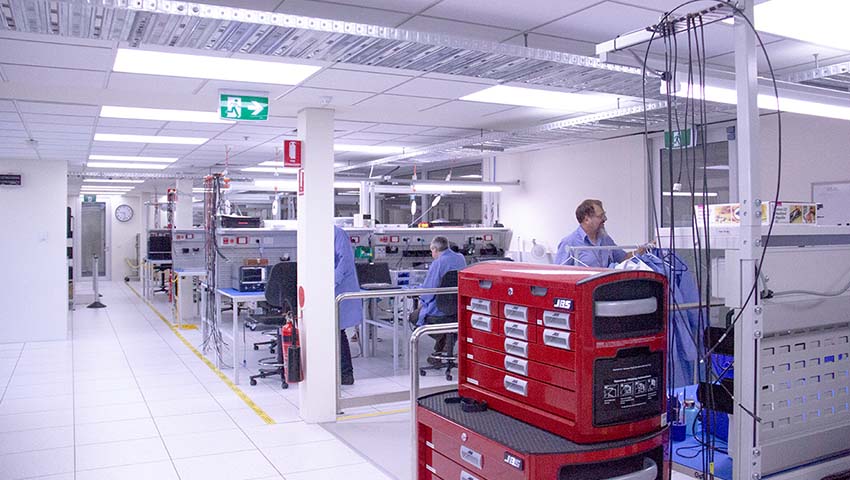
BAE Systems Australia has opened a world-class high-frequency laboratory in South Australia, which will be used to develop new technology that will be “the brains” of the upgraded Jindalee Operational Radar Network (JORN).
Using high-frequency technologies developed in Australia, JORN is the eyes and ears of the Royal Australian Air Force, monitoring Australia’s northern approaches through a network of three remote radars in Queensland, Western Australia and the Northern Territory.
The radar network plays a pivotal role supporting the Australian Defence Force’s air and maritime operations, border surveillance, disaster relief and search and rescue operations.
The current $1 billion, 10-year upgrade will significantly increase both the surveillance area and the data gathered by the network.
BAE Systems Australia chief executive Gabby Costigan said, “Our investment in this laboratory will ensure that we can significantly improve the radar’s capability and better support this critically important defence asset.”
BAE Systems’ investment in the facility will enable continued research and development of new technologies that will be integral to increasing surveillance of the northern and western approaches to Australia.
It will provide a world-class environment to support specialist and graduate engineers to develop, build and integrate the latest technologies into the network. The laboratory will also be a catalyst for the research and development of Australian high-frequency technologies to continue to grow the nation’s defence exports.
“The next generation of engineers working on this program have the opportunity to bring new insight and innovation to JORN that will ensure it continues to play a key role in protecting the nation,” Costigan added.
The JORN network is Australia’s first comprehensive land and air early warning system. It does not only provide a 24-hour military surveillance of the northern and western approaches to Australia, but also serves a civilian purpose in assisting in detecting illegal entry, smuggling and unlicensed fishing.
JORN is a critical sovereign capability developed by the Australian industry in collaboration with DST Group to meet the needs of Australia’s unique defence requirements.
The current upgrade will occur over a decade and realise the network’s full potential beyond 2042. BAE Systems Australia has been providing some of the world’s most advanced, technology-led defence, aerospace and security solutions for the Australian Defence Force for 65 years.
The company employs around 4,000 people at more than 25 sites across Australia.

Want to see more stories from trusted news sources?
Make Defence Connect a preferred news source on Google.
Click here to add Defence Connect as a preferred news source.