

 iscover







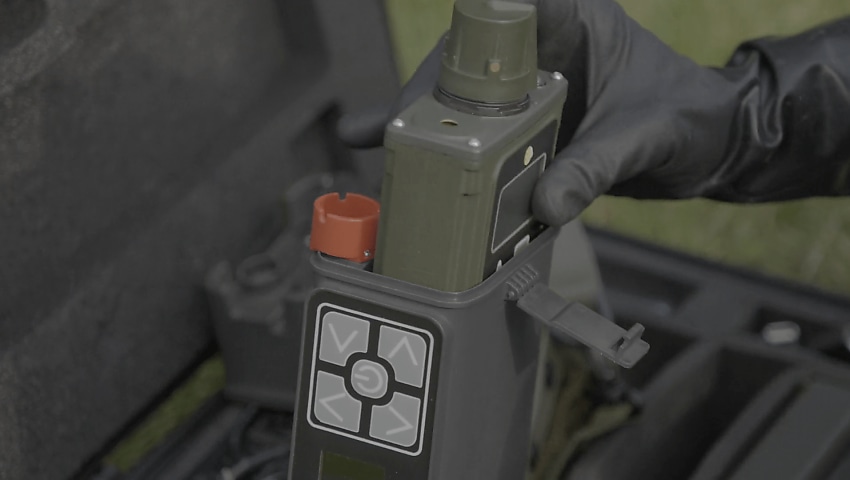
A new body-worn toxic chemical detector capable of identifying traces of toxic chemical agents, narcotics, and explosives has been launched by Smiths Detection on 14 March.
The British safety equipment supplier launched the Lightweight Chemical Detector (LCD 4), which can be used as a vapour detection device in chemical, biological, radiological, nuclear, and explosive situations.
Smiths Detection defence market director Michael Lea said the company also has an XID extension which can detect and identify minute quantities of super toxic threats such as fentanyl and novichok.
“The LCD 4 and the XID have been developed to respond to the changing threat environment,” he said.
“The XID gives CBRNe and HAZMAT operators the ability to detect and identify a far broader range of threats that they may encounter on everyday operations.
“The XID is a great illustration of Smiths Detection’s capability to develop products in response to customer needs and helping us to achieve our mission to make the world [a] safer place.”
More than 100,000 detectors are in service with operators in 58 different countries including with the US Department of Defense through its Joint Chemical Agent Detector program.

Want to see more stories from trusted news sources?
Make Defence Connect a preferred news source on Google.
Click here to add Defence Connect as a preferred news source.