

 iscover
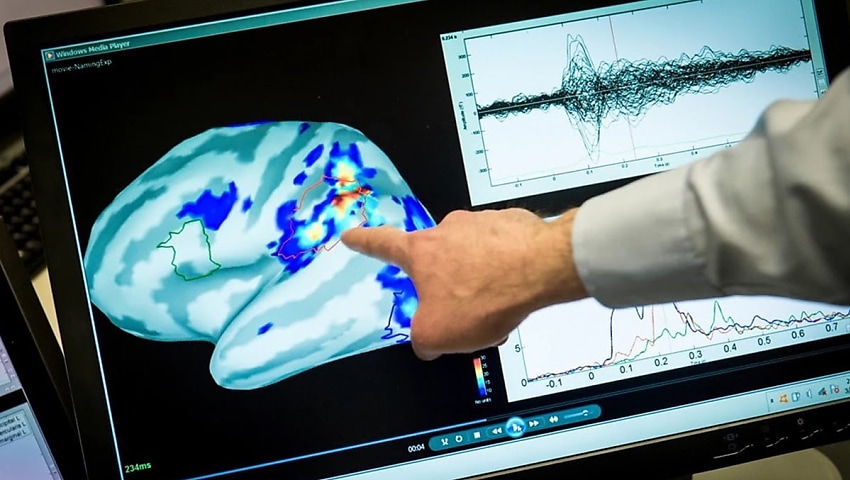
The US military is stepping up research to reduce blast overpressure exposure risk and improve the detection and treatment of brain injuries.
Blast overpressure (BOP) injuries and more severe traumatic brain injuries are at the centre of a growing Department of Defense campaign to protect cognitive performance and treat blast exposure as an occupational hazard on par with the already recognised threats of hazardous noise and radiation.
BOP injuries can be caused by the invisible physical shock wave generated by rapid pressure changes from explosives and firearms. In contrast, TBI refers to the medical diagnosis diagnosed by a range of causes, including but not limited to BOP exposure.
Symptoms of brain injury can be identified as headaches and dizziness to memory issues, mood shifts and comorbid post-traumatic stress disorder.
“Blast overpressure is an external force with an impact not just on the brain but on the body,” said Lieutenant Colonel Thomas Bayuk, neurologist and traumatic brain injury consultant to the Air Force Surgeon General.
“We take this as a serious traumatic brain injury and want to do everything we can to provide appropriate clinical support and management of those patients from a medical standpoint.
“The goal is to create a screening tool that assesses readiness, particularly for blast-related injury, and integrates it into clinical practice.”
The US Department of the Air Force is leveraging a centralised DoD resource, the Warfighter Brain Health Hub and Warfighter Brain Health Act of 2022. It has also launched a co-develop partnership with the Brain Trauma Foundation for a real-time screening tool to evaluate warfighter fitness in the aftermath of a blast.

It will also expand the use of baseline neurocognitive assessments to help determine whether warfighters are operating at peak performance before and after potential exposure. Baseline cognitive assessments are mandated for high-risk personnel across all components by the end of fiscal year 2025.
“We are supporting those joint entities and doing everything we can to be in alignment with the emerging science,” AFMS Occupational Health Programs chief Lieutenant Colonel Keith Sanders said.
“There’s the Blast Injury Research Coordinating Office; there’s the Centers of Excellence. Everything that we do is informed by the knowledge that comes out of those centres.
“We have long-standing processes in place for how to assess, document and implement control actions.
“Blast is being treated as an emerging hazard in the same way we address hazardous noise or radiation. The key principle we follow is ALARA, ‘as low as reasonably achievable,’ which focuses on limiting personnel’s proximity to blast zones and encouraging the use of protective gear.”
“What we’ve done is taken all of the requirements that line leaders have for BOP and turned it into essentially a checklist for them to run at the local level so that they can read it, see what the requirements are, document if they’re meeting those requirements, and then submit that to their commander for approval. It’s the same process we follow for other hazards.”
The Air Force Medical Service, in partnership with joint agencies and research centres, has already announced intention to modernise data collection and exposure documentation.
“Warfighter brain health traverses multiple communities of interest across the Department of Defense,” said Katherine Lee, DoD director of Warfighter Brain Health Policy.
“The goal is to create an environment where optimal cognitive performance is built into our definition of readiness.”

Want to see more stories from trusted news sources?
Make Defence Connect a preferred news source on Google.
Click here to add Defence Connect as a preferred news source.