

 iscover
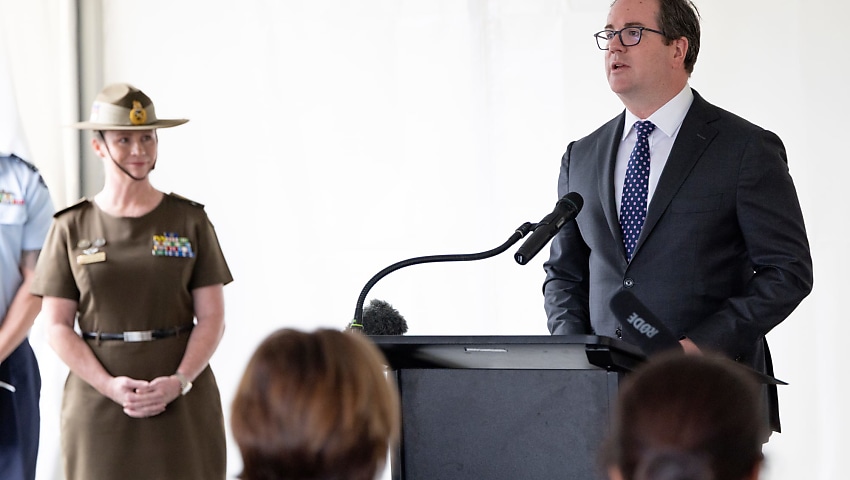
The Australian government has announced it will invest $739.2 million to improve the provision of the treatment and rehabilitation for veterans to reduce the impact of injury on them and improve their lifetime wellbeing.
The reform is part of the federal government’s response to the Royal Commission into Defence and Veteran Suicide, recognising that fostering wellbeing is one important protective factor against suicide.
Modern clinical evidence shows that early access to the right care helps to improve daily functioning, prevents conditions from worsening, reduces long-term impairment, supports mental health and strengthens long-term wellbeing and quality of life.
As part of the work, the Department of Veterans’ Affairs (DVA) is also working more closely with Defence on strengthening preventative approaches to reduce injuries in service, and once a medical condition is accepted as service-related, veterans can access modern, evidence-based care.
The investment is envisioned to work with effective and innovative treatments for veterans, prescribed by registered medical practitioners. These could include options such as medicinal cannabis as well as world‑leading treatments like MDMA for PTSD and psilocybin for treatment‑resistant depression, with appropriate safeguards in place to ensure safety and clinical oversight.
Minister for Defence Personnel and Veterans’ Affairs, Matt Keogh, confirmed the finer details of expanded veteran wellbeing support during an interview with ABC Radio Perth on 9 February.
“It’s going to be funding things like medical interventions and treatments to improve their medical outcomes where they’ve been injured through their Defence service, making sure that they’re getting access to good rehab programs, treatments that’ll improve their long-term outcomes so that they’re not living with the long-term impacts of these injuries or we’re at least reducing that impact,” Minister Keogh said.
“That’s really important because it provides that better wellbeing outcome overall, which the royal commission was really focused on. Because of course, if you’re holding injuries, if those injuries are really bad, if we’re not able to mitigate them, it can have severe mental health impacts as well.

“Where we can, where there have been advances in medical treatments and rehabilitation that we can make available, we should make that available to our veterans.
“For example, you know, we’ve been investing as a country for a long time into PTSD interventions and programs. Some of those are now peer-led programs, some of them are with psyches and psychiatrists, but other of those programs for particularly treatment-resistant PTSD is around using MDMA, for example, now, you know, really small doses under very controlled conditions. But we’re seeing great outcomes come from that.
“I know that’ll sound strange to some people (that treatments may include MDMA, medicinal cannabis, and psychedelic treatments for PTSD), but we do see with our veterans in particular, real treatment, resistance to pain, for example. And that’s where that medicinal cannabis becomes important.
“Obviously, properly governed under a framework to make sure that it’s delivering the pain relief focus that we need. When we’re looking at treatment-resistant PTSD, using those microdoses of MDMA, really important that again, it’s obviously done in a controlled environment.
“I’ve gone and met with one of the providers in Perth, for example, and they have been getting some phenomenally good results and long-term results, and that’s what’s really important, improving those wellbeing outcomes for the long term as well.”
DVA has updated fee guidance for assessments, ensuring payments for reports are more consistent with other equivalent jurisdictions and better reflect actual costs to practitioners.
Alongside the release of the updated fee guidance for assessments, active monitoring of invoices has increased.
The government is investing more than $203 million to strengthen program integrity and veterans’ advocacy, with the introduction of reforms to boost integrity and compliance efforts to combat fraud by providers and expand the support of professionalised free advocacy services for veterans and families of veterans.
Consultation is now underway on strengthening protections for veterans engaging with the advocacy system to ensure they’re not exploited.

Want to see more stories from trusted news sources?
Make Defence Connect a preferred news source on Google.
Click here to add Defence Connect as a preferred news source.