

 iscover
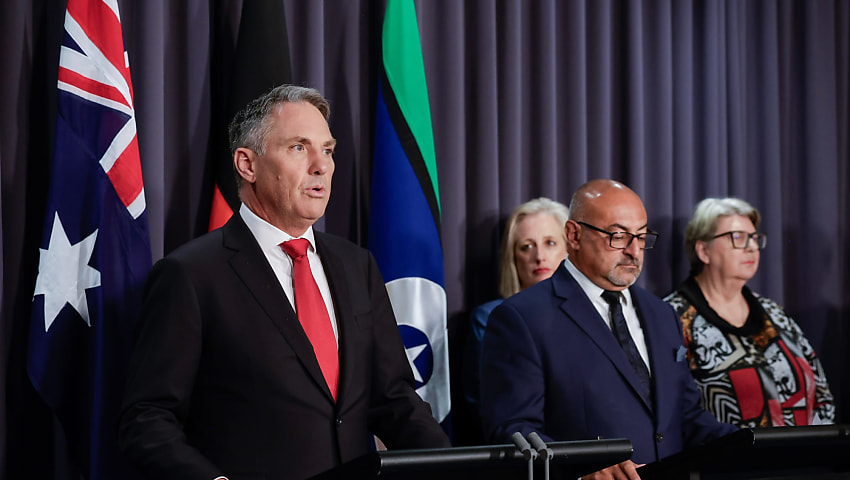
The Australian government has confirmed it will attempt to complete divestment of at least two Defence sites this year.
Sixty-seven military sites were originally identified for complete or partial divestment as part of the federal government’s most significant reform to the Defence estate in the country’s history.
The changes were announced by the federal government alongside the release of a public version of the Defence Estate Audit and the government’s response to it – agreeing or agreeing in principle to all 20 of the audit’s recommendations. Under the changes, the government has announced that a total of 68 sites have been identified for divestment.
The target of two site divestments was confirmed during a recent Senate estimates discussion between Senator David Shoebridge and Security and Estate Group deputy secretary Celia Perkins on 11 February.
“As the deputy prime minister has said in his engagements in the last few days, we have been asked to move rapidly. A number of these sites have been divested and will be divested in the short term. But the government recognised, and our lived experiences is, that some of these sites will take some time to divest,” according to Perkins.
“The government has directed that we commence the sales process within the next two years. Many of these will be large and complex activities and, as the Department of Finance undertakes the divestment activity, it will be working with the market on those solutions.
“In terms of Defence’s role in implementation, I think the important point to make is that I am focused not in two years but today on the transition arrangements at the sites where Defence people and capabilities reside such that I can hand those sites to the Department of Finance; and for the six sites where Defence will continue divestment activity I’m focused on our moving as rapidly as we can.
“It will be my goal to conclude at least two of those sales this year and a number next year. I am confident we will do so.”

All proceeds from divestments will be retained within the Defence portfolio and be reinvested in National Defence Strategy priorities, including continuing to upgrade and strengthen northern bases.
“Currently, around 9,000 people are resident across those 67 sites … There are around 1,500 permanent ADF, which is about 2.5 per cent of the permanent force; around 1,650 APS … There are around 3,200 reserves and 2,550 cadets,” Perkins said.

Want to see more stories from trusted news sources?
Make Defence Connect a preferred news source on Google.
Click here to add Defence Connect as a preferred news source.