

 iscover
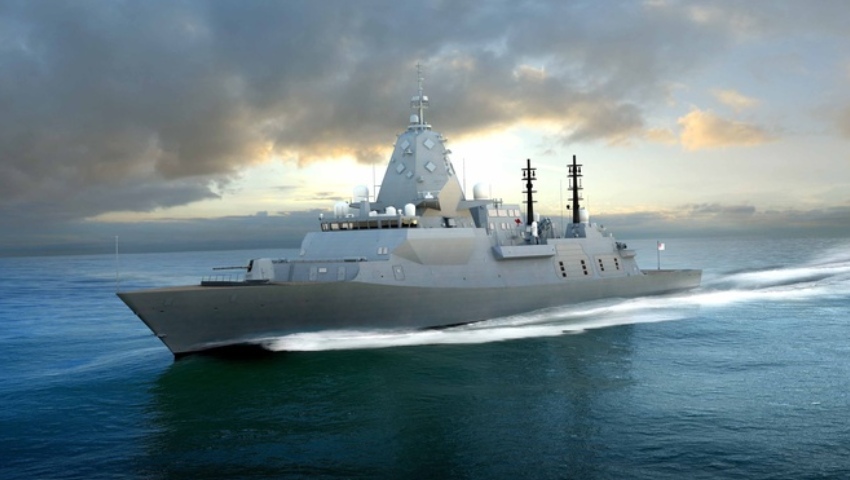
The prime has concluded a year-long engineering assessment to help inform the design of the Hunter Class frigates.
BAE Systems has completed a System Definition Review (SDR), aimed at establishing a baseline design for the Royal Australian Navy’s next-generation Hunter Class frigates and informing the construction process at South Australia’s Osborne Naval Shipyard.
The SDR, which was undertaken by engineering teams in both Australia and the UK, is the second major evaluation of the ship’s design since BAE Systems secured the $45 billion SEA 5000 contract.
The review assessed the feasibility of a range of capabilities required by the Commonwealth government, including the Aegis and Australian Interface Combat Management Systems, the CEAFAR2 phased array radar and integration of the Seahawk Romeo Maritime Combat Helicopter.
According to BAE Systems Maritime Australia managing director Craig Lockhart, the SDR has demonstrated the prime’s ability to “Australianise” the frigate.
“The selection of the Global Combat Ship for Australia’s Hunter Class frigates was based on its digital pedigree, its submarine-hunting capability and its ability to accommodate the changes the Australian Customer requires,” he said.
The completion of the SFDR comes just weeks after the Hunter Class program was scrutinised in a classified ‘Engineering Team Assessment’ presented to the Department of Defence.
The report suggested the next-generation anti-submarine vessels would be “substantially” slower than initially anticipated, operating across a shorter range and leaving ships vulnerable to detection.

The 36-page report, tabled in November, also raised crew safety concerns, claiming personnel could be trapped below deck by floodwaters in “credible damage conditions”.
But Minister for Defence Peter Dutton dismissed the findings, claiming the issues were “exaggerated” and describing the report as “low-level”.
In reflecting on BAE Systems’ latest milestone, Lockhart said the SDR is a strong indicator of a “successfully established” functional baseline from which to further develop and integrate the design against the Mission System Specification set by the Commonwealth government.
“It’s taken a lot of hard work and engineering ingenuity to get us to the point where, together with the Royal Australian Navy, we can objectively look at our design and where it sits relative to requirements,” he said.
“I’ve been particularly pleased with the level of close collaboration with our customer to work through the engineering challenges.”
The Hunter Class program will now progress to the Preliminary Design Review — a technical assessment aimed at ensuring the design is operationally effective, and detailed design and planning can commence.
This latest milestone follows the transfer of more than two million digital artefacts from the UK to Australia, and the completion of the structural manufacture of the first steel prototype unit in October.
The 217 square metre steel unit, produced at Osborne Naval Shipyard, was moved from the shipyard’s primary manufacturing hall for the next phase of the production process, which involves outfitting and consolidation with three other units as part of the first prototyping block.
[Related: Dutton allays Hunter Class frigate fears, BAE responds]

Want to see more stories from trusted news sources?
Make Defence Connect a preferred news source on Google.
Click here to add Defence Connect as a preferred news source.