

 iscover
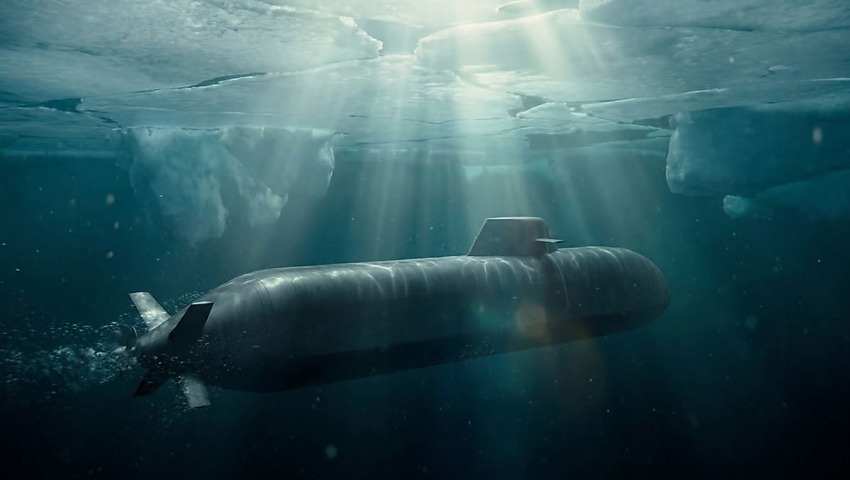
Canada has selected the TKMS Type 212CD conventional submarine as the preferred solution for the nation’s multibillion-dollar Canadian Patrol Submarine Project in a shock to South Korea’s efforts to beef up its own naval export credentials.
The decision positions the Type 212CD as the centrepiece of Canada’s future undersea capability, with up to 12 submarines expected to replace the Royal Canadian Navy’s ageing Victoria Class fleet under the Canadian Patrol Submarine Project.
If contract negotiations are successfully concluded, the program will establish an unprecedented trilateral partnership between Canada, Germany and Norway, strengthening NATO’s northern maritime posture while creating a new model for allied submarine cooperation.
The announcement represents the largest single export opportunity in TKMS’ history and significantly expands the existing Type 212CD program, which is already in production for the German and Norwegian navies.
For Canada, the acquisition delivers far more than a replacement submarine fleet. The project is intended to establish a sovereign, long-term submarine sustainment enterprise capable of supporting the fleet domestically while embedding Canadian industry into the broader European naval industrial base.
The partnership will also deepen defence cooperation between three NATO allies at a time of growing strategic competition across the Arctic and North Atlantic, regions where submarine operations are becoming increasingly important to deterrence and maritime security.
Unlike many submarine designs that have been adapted for northern operations, the Type 212CD has been developed specifically for Arctic and North Atlantic conditions.
Jointly designed by Germany and Norway, the class combines advanced stealth characteristics, extended endurance and air-independent propulsion with the ability to operate across a wide spectrum of environments, from Arctic waters to the Pacific Ocean.

As geopolitical competition intensifies across the High North, Canadian officials have identified a modern submarine capability as essential to maintaining sovereign presence, protecting maritime approaches and contributing to NATO’s collective deterrence posture.
The common platform is also expected to deliver significant operational benefits by enabling closer integration between Canadian, German and Norwegian submarine forces through shared logistics, training, maintenance and technology development.
Beyond its strategic implications, the submarine program is expected to become one of Canada’s largest long-term defence industry investments.
TKMS estimates the project could generate approximately CA$167 billion in economic activity over its lifetime, including more than CA$86 billion in direct economic impact and the equivalent of over 650,000 job-years across Canada.
The company said the program will support the growth of a sovereign Canadian submarine sustainment capability while creating new opportunities for local manufacturers, technology companies and specialist suppliers to join an international defence industrial ecosystem.
Technology transfer, workforce development and skills training will form key pillars of the partnership, enabling Canadian industry to progressively assume greater responsibility for sustaining and supporting the fleet throughout its operational life.
For TKMS, the Canadian program represents a defining milestone following its recent transition to operating as an independent naval shipbuilding company.
Chief executive officer Oliver Burkhard described the Canadian Patrol Submarine Project as the largest single order in the company’s history and said it reflected growing confidence in European defence industry capabilities.
He said the program represented more than a conventional procurement, instead establishing a long-term strategic partnership between trusted allies founded on shared values, industrial cooperation and collective security.
TKMS chairman Dr Volkmar Dinstuhl said Canada’s decision reinforced the competitiveness of both the German defence industry and European naval manufacturing more broadly while demonstrating NATO’s ability to pursue collaborative capability development across multiple member nations.
thyssenkrupp AG chief executive Miguel López Borrego said the selection also validated the company’s strategy of establishing TKMS as an independent global naval shipbuilding champion, positioning the business for sustained international growth.
The Canadian selection marks the beginning of detailed contract negotiations between Ottawa, TKMS and industry partners in Canada, Germany and Norway.
Work over the coming years will focus on finalising industrial participation arrangements, establishing domestic sustainment capability, workforce planning and integrating Canadian suppliers into the broader Type 212CD production program.
Subject to successful negotiations and contract signature, TKMS expects to deliver the first Canadian Type 212CD submarine in 2033.
For NATO, the decision significantly expands a common submarine capability across three allied nations, creating opportunities for closer operational integration while strengthening collective undersea warfare capability at a time of heightened strategic competition across the Arctic, North Atlantic and increasingly the Indo-Pacific.
The Canadian decision also reinforces a broader trend towards multinational defence procurement, where allied nations are increasingly selecting common platforms to reduce life cycle costs, improve interoperability and strengthen shared industrial resilience across the alliance.

Want to see more stories from trusted news sources?
Make Defence Connect a preferred news source on Google.
Click here to add Defence Connect as a preferred news source.