

 iscover







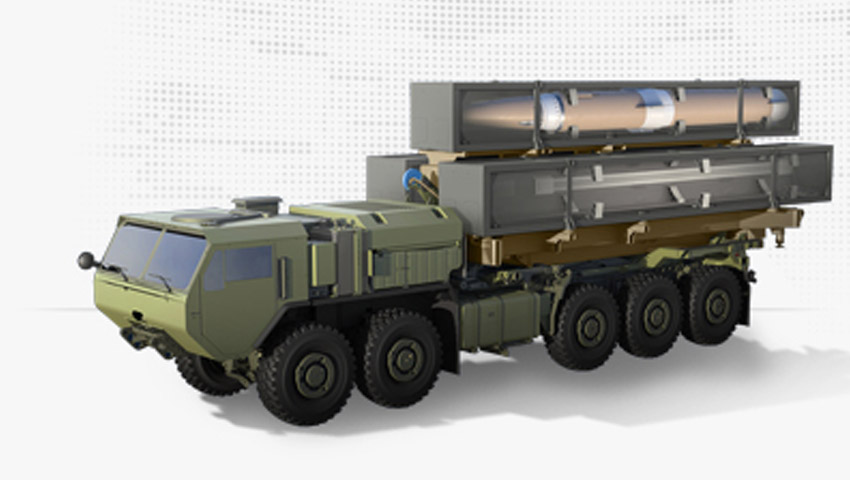
DARPA’s Operational Fires (OpFires) program, which is developing a ground-launched intermediate-range hypersonic weapons system in partnership with Lockheed Martin Missiles and Fire Control, is advancing to a new phase.
Phase 3b will involve full-scale missile fabrication, assembly, and flight testing from a launch vehicle, Lockheed Martin Missiles and Fire Control was awarded this new contract modification after leading a successful Phase 3a integrated system preliminary design review that resulted in a comprehensive design and test plan.
OpFires aims to demonstrate a novel system enabling hypersonic boost glide weapons to rapidly and precisely engage critical, time-sensitive targets while penetrating modern enemy air defences.
Lieutenant Colonel Joshua Stults, DARPA program manager for OpFires in DARPA’s Tactical Technology Office, said, “The objectives of DARPA’s OpFires program remain unchanged. The system design that Lockheed is developing continues to achieve the desired tactical mobility and system performance in line with the Department of Defense’s push to deliver an intermediate-range surface-to-surface missile.”
The program is developing an advanced booster capable of delivering a variety of payloads at multiple ranges and compatible mobile ground launch platforms that can be rapidly deployed.
In early 2020, Lockheed Martin began work on OpFires weapon system integration under a DARPA contract.
OpFires is an innovative ground-launched system that enables a hypersonic boost-glide missile system to penetrate modern enemy air defenses and rapidly engage time-sensitive targets.
Hypersonic missiles typically go one speed: as fast as they can. OpFires features a unique throttleable booster rocket motor that can vary its thrust to deliver payloads across the medium-range spectrum without energy bleed maneuvers. Less time in the air enhances survivability and mission success.
OpFires is designed with the soldier in mind, for the user, it operates off-road, supports rapid loading and reloading and can shoot and scoot within minutes, and it travels light.
OpFires engineers are designing OpFires with affordability in mind by reusing proven precision fires subsystems. For example, they are adapting proven High Mobility Artillery Rocket System electronics and precision fires subsystems for interoperability with US Army Advanced Field Artillery Tactical Data System infrastructure.

Want to see more stories from trusted news sources?
Make Defence Connect a preferred news source on Google.
Click here to add Defence Connect as a preferred news source.