





Distributed lethality and the rise of drone warfare
Anyone who opens a newspaper and reads about the latest technological innovations shaping national security realises that the character of conflict is shifting at breakneck speed.
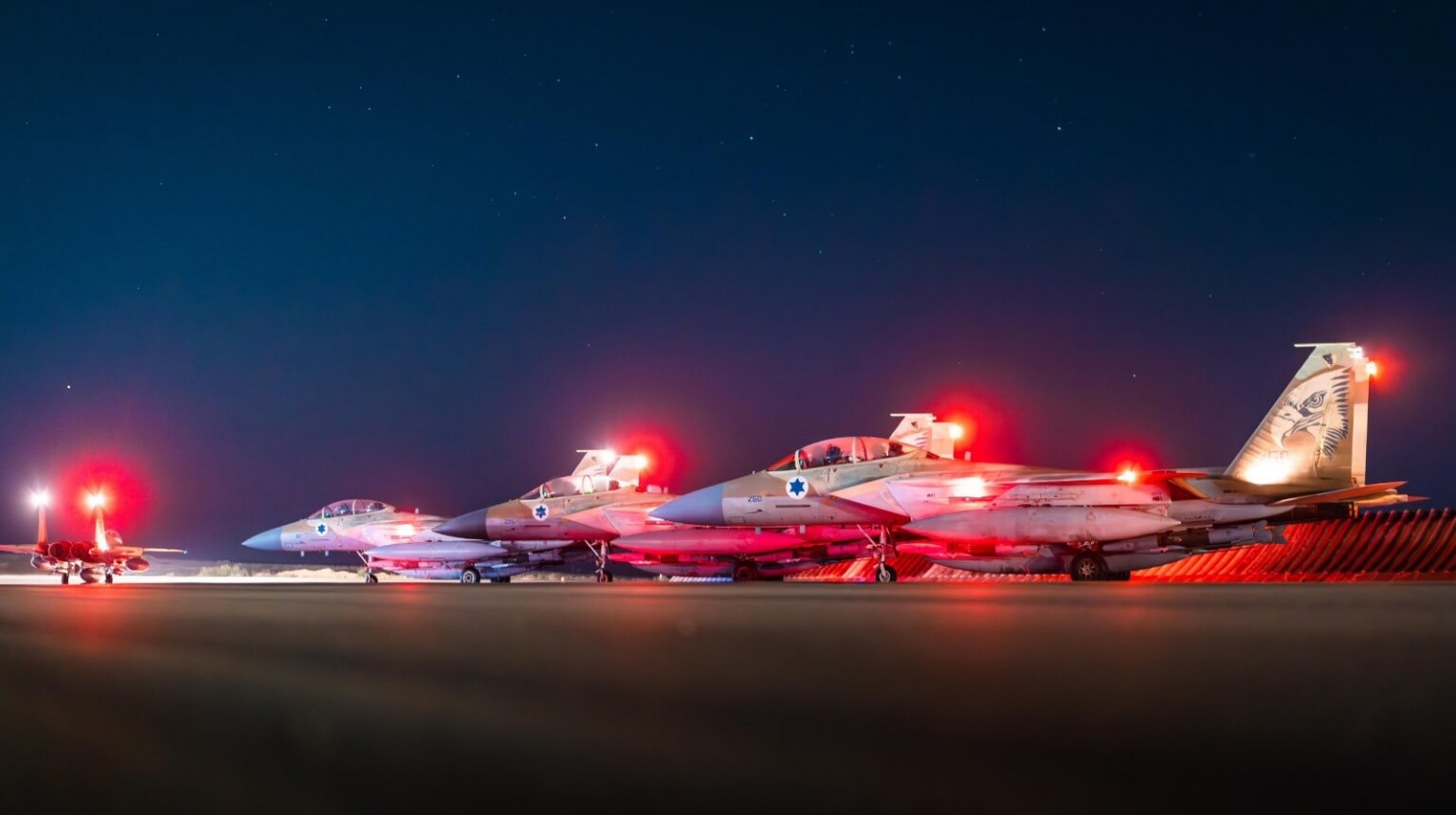
In the latest escalation between Iran and Israel, we saw not only a confrontation between two regional powers, but a demonstration of how low-cost, uncrewed systems are changing the rules of engagement.
Drones were used en masse to overwhelm air defences, map out key vulnerabilities and pave the way for more advanced weapons platforms. This kind of warfare – distributed, autonomous, and asymmetric – is no longer theoretical. It’s here, and it’s shaping every aspect of defence planning and capability development.
More interestingly, many of the drones used in Iran were built and launched locally. Possessing a manufacturing capability in your enemy’s home turf is perhaps the apotheosis of distributed lethality.
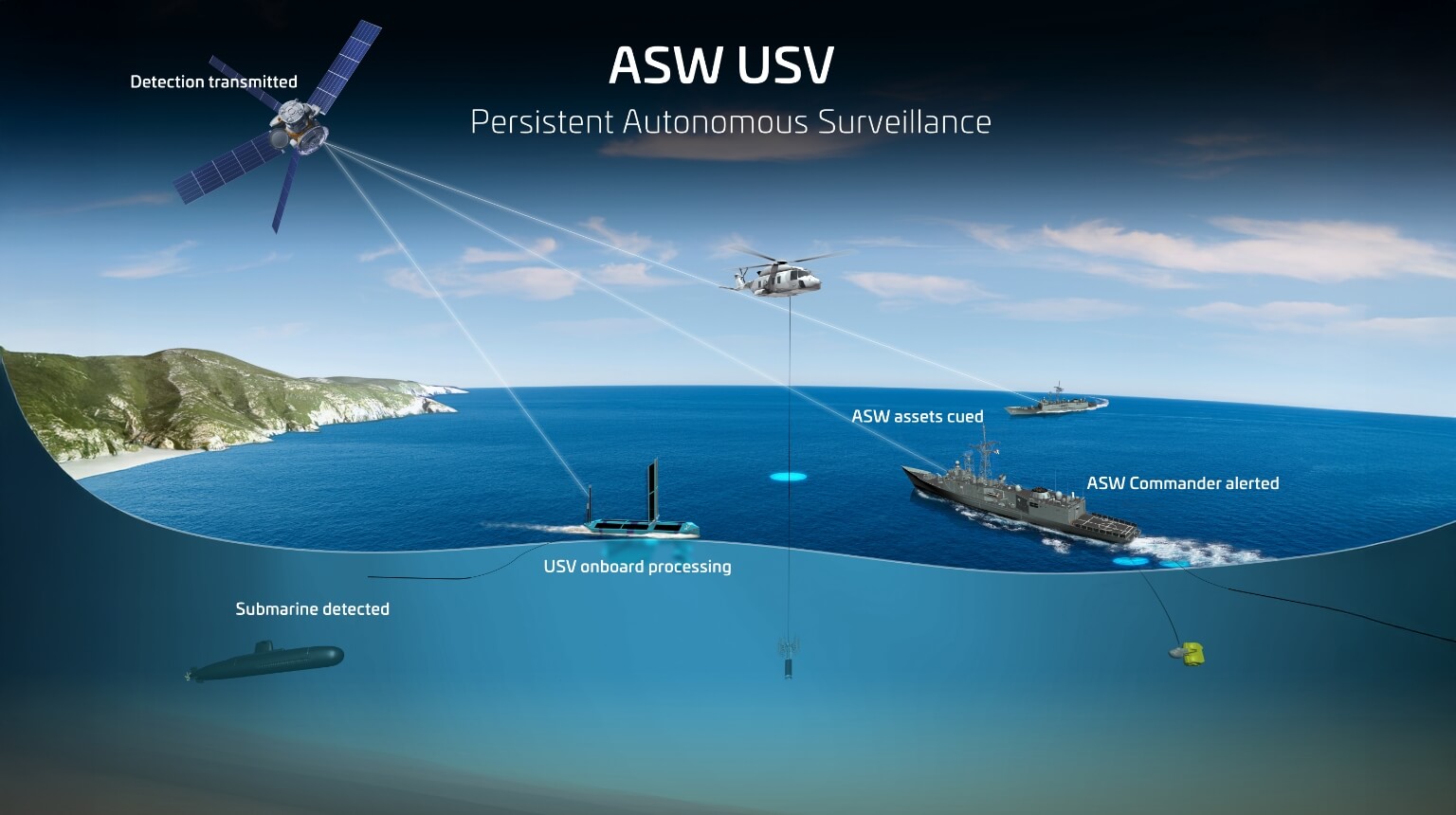
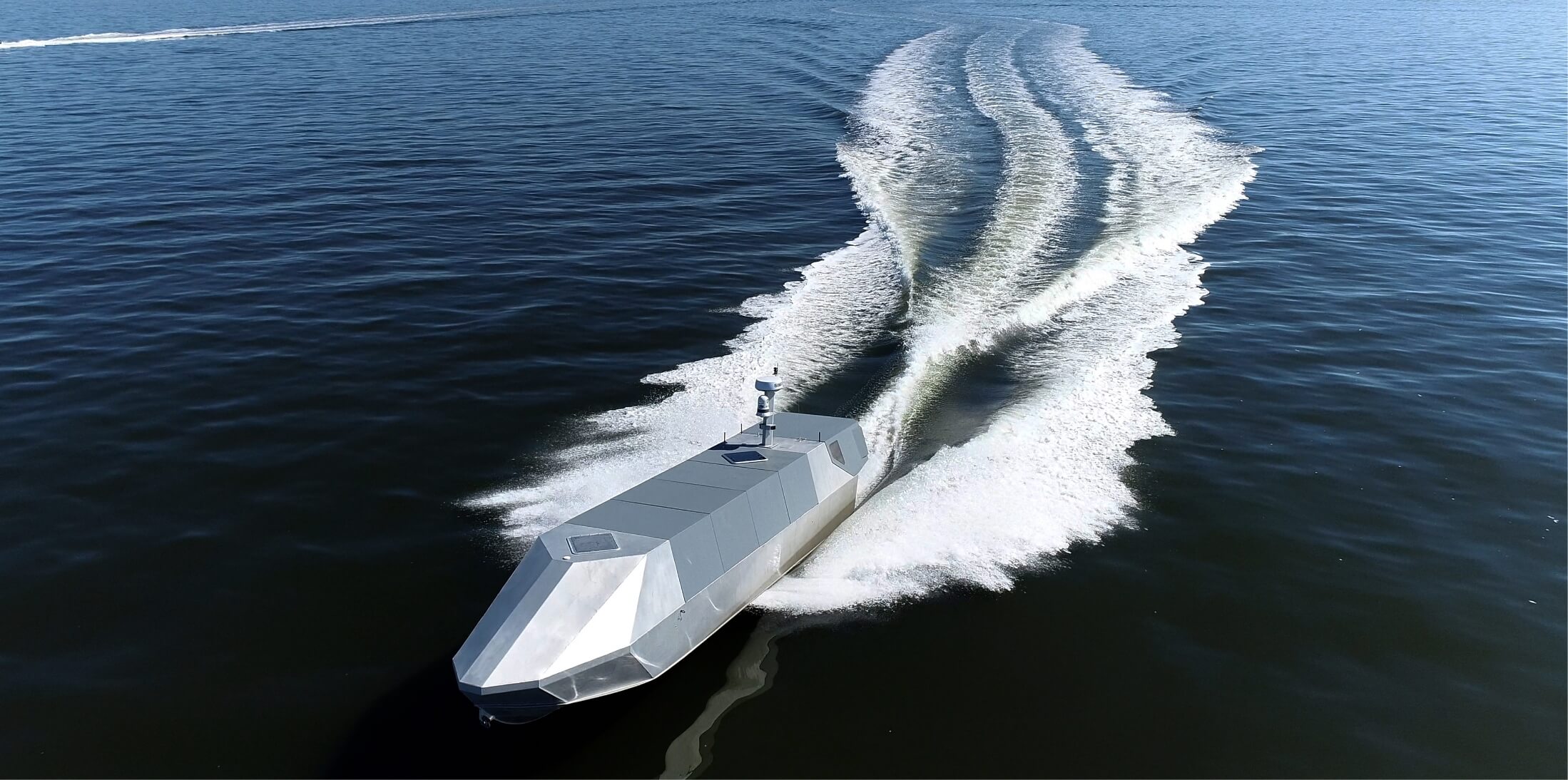
In this month’s special report, we explore how autonomous and uncrewed systems are redefining the battlespace. From hyperspectral imaging to inertial navigation, we break down what makes these platforms so effective and where they’re taking us next.
Thanks to our editorial team, including Steve Kuper and Robert Dougherty, for their continued sharp analysis, and to our partners at Thales, Leidos, Arkeus and Quantum Systems for their support and expertise.
On a personal note, this is my final special report with Defence Connect. I’m proud of what we’ve built and deeply grateful to the defence community for your time, insights and trust. While I remain within the Momentum Media family, I’m pleased to hand over editorial leadership to Steve Kuper whose commitment to the sector is unmatched.
I’ll still be on the hustings and look forward to seeing many of you at Indo-Pacific later this year.
Liam Garman
Outgoing Editor
Defence Connect