

Strategic context: Then and now
In 1987, Australia’s strategic environment was defined by the tail-end of the Cold War, a relatively benign regional outlook, and the confidence of long strategic warning times. The Defence of Australia doctrine – anchored in geographic isolation and an introspective strategic culture – prioritised surveillance, interdiction and denial operations in the air-sea gap to Australia’s north.
By contrast, the strategic logic underpinning the 2023 Defence Strategic Review (DSR) and 2024 National Defence Strategy (NDS) recognises a radically altered Indo-Pacific. Today’s environment is characterised by accelerating great power competition, technological disruption, shrinking warning times and the emergence of grey zone conflict. In this context, defence planning has shifted from passive continental protection to active deterrence through denial, underpinned by forward engagement and regional-shaping activities.
While both frameworks have sought to secure the national interest, the contrast in their world-views is striking. The 1987 doctrine responded to predictable threats at a distance. The 2023–24 framework prepares for uncertainty at speed.
The 1987 doctrine responded to predictable threats at a distance. The 2023–24 framework prepares for uncertainty at speed.”
The 1987 force structure: A ‘balanced force in being’
The 1987 force has been designed around the principle of “a balanced force in being”, structured to defend the continent independently and with sufficient time to expand if necessary. This force prioritised modest capacity, geographic insulation and operational autonomy.
-
Australian Army: Comprising ~25,000 personnel, the Army operated three brigades: 1st (Darwin), 3rd (Townsville), and 7th (reserves-based). These were predominantly light infantry formations, with mobility provided by M113 armoured personnel carriers and fire support limited to mortars and direct-fire weapons. Leopard 1 tanks were the only armoured force and long-range fires were absent.
-
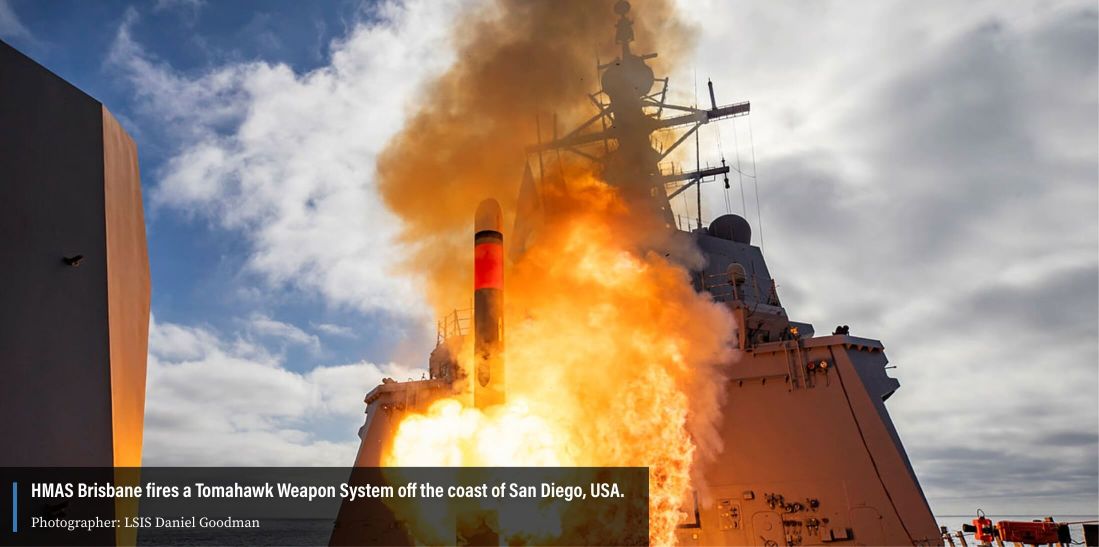
Royal Australian Navy: Oriented towards constabulary and surveillance tasks, the Navy fielded six Adelaide Class guided missile frigates, ageing Perth Class destroyers and six Oberon Class submarines. Amphibious capacity was minimal, with HMAS Tobruk as the sole landing ship. The RAN lacked cruise missiles, integrated air defence or meaningful strike capabilities.
-
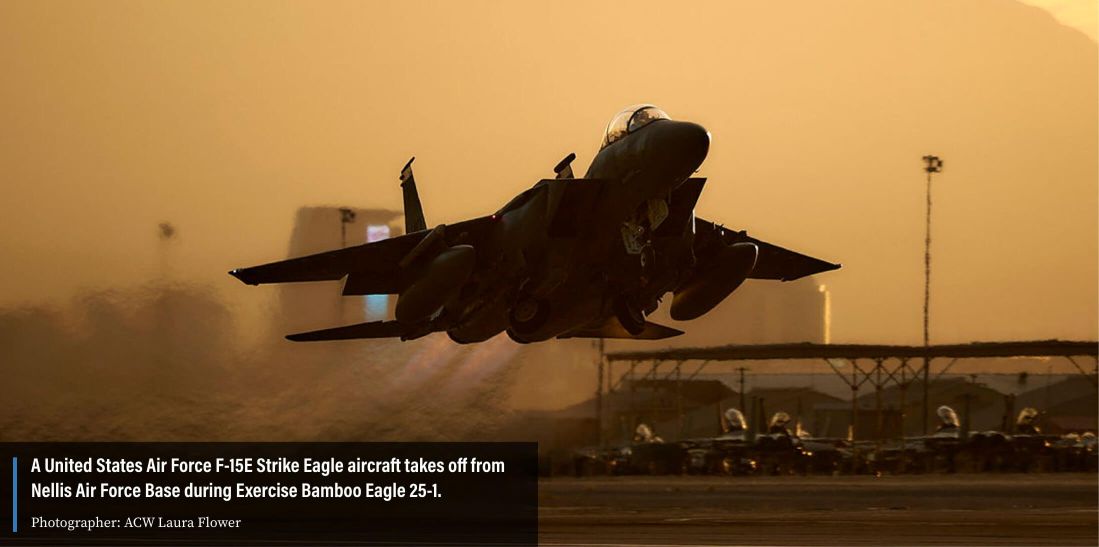
Royal Australian Air Force: The RAAF was transitioning to F/A-18A Hornet fighters, providing tactical air combat capability but lacking long-range strike. Surveillance and mobility were supported by P-3C Orions and C-130 Hercules, with no airborne early warning, refuelling or EW platforms.
Notably, the entire ADF was based on a southern-centric posture, with major basing infrastructure concentrated in southern Australia. While the ANZUS alliance remained a formal pillar, force design emphasised self-reliance and minimal integration with allied operations.
The 2023–24 force structure: National defence in a high-Risk Indo-Pacific
By 2023, strategic assumptions underpinning Australian defence policy had collapsed. The DSR and NDS highlight an environment in which conflict in the Indo-Pacific is both possible and potentially imminent. The new “National Defence” concept discards geographic insulation as a security buffer and commits to forward posture, power projection and allied integration.
-
Australian Army: The Army is being transformed into a modern combined arms force, integrating long-range strike, amphibious manoeuvre and mechanised combat capabilities. Its future structure includes:
-
Two littoral manoeuvre brigades, optimised for regional intervention and grey zone operations.
-
One mechanised combined arms brigade for conventional warfare.
-
Army is acquiring:
-
129 Redback infantry fighting vehicles, 211 Boxer combat reconnaissance vehicles, and 75 M1A2 SEPv3 Abrams tanks
-
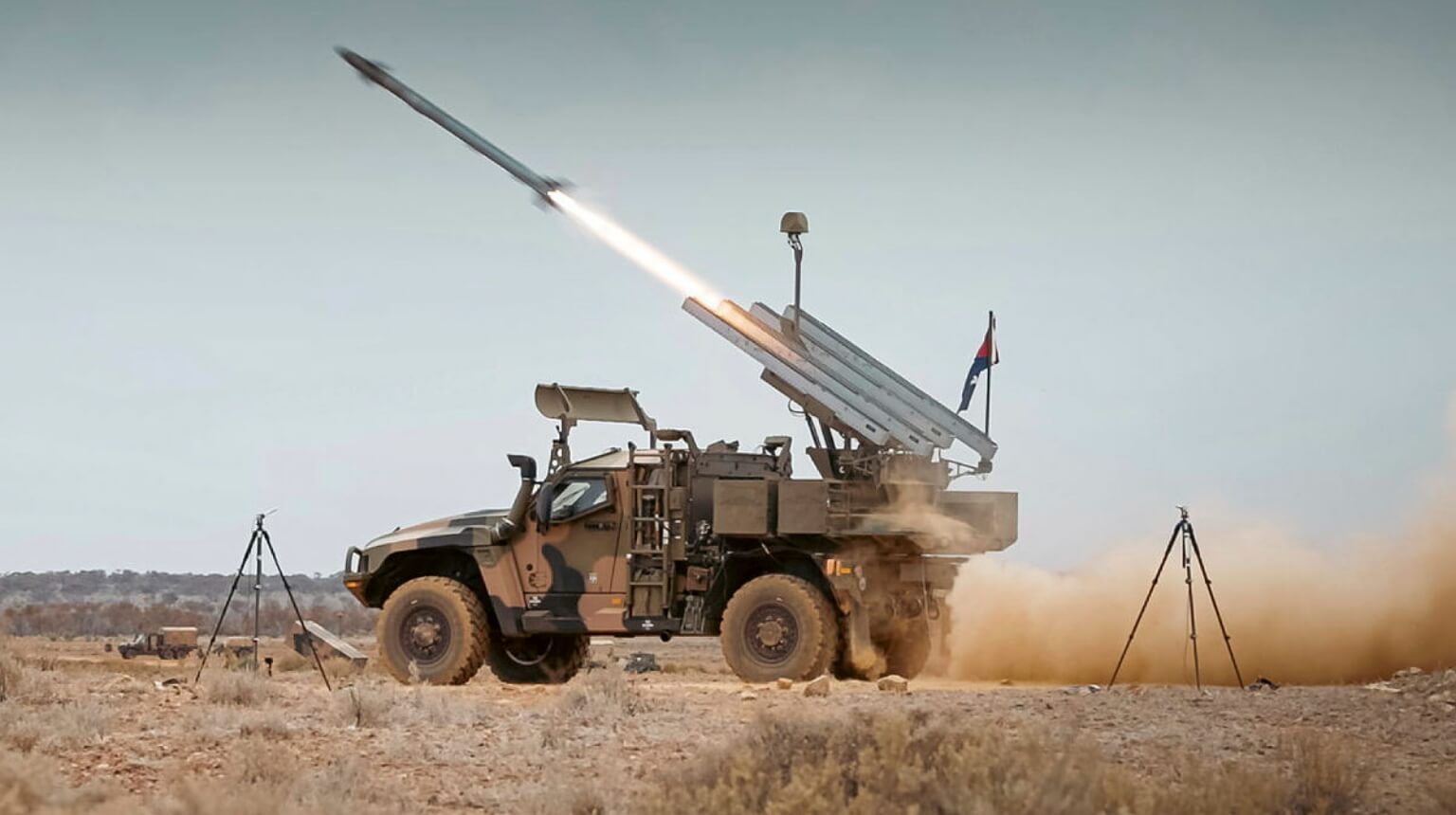
HIMARS rocket artillery systems and long-range strike capabilities.
-
29 AH-64E Apaches, 40 UH-60M Black Hawks, Chinooks and intelligence, surveillance and reconnaissance (ISR) drones.
-
-
-
Royal Australian Navy: The RAN is transitioning from regional patrol to a blue water navy with enhanced sea control and strike roles. Key platforms include:
-
6 Hunter Class anti-submarine warfare frigates and 7–11 future general-purpose frigates.
-
3 Hobart Class guided missile destroyers (with future replacement planned).
-
8–9 nuclear-powered submarines (Virginia Class and SSN-AUKUS).
-
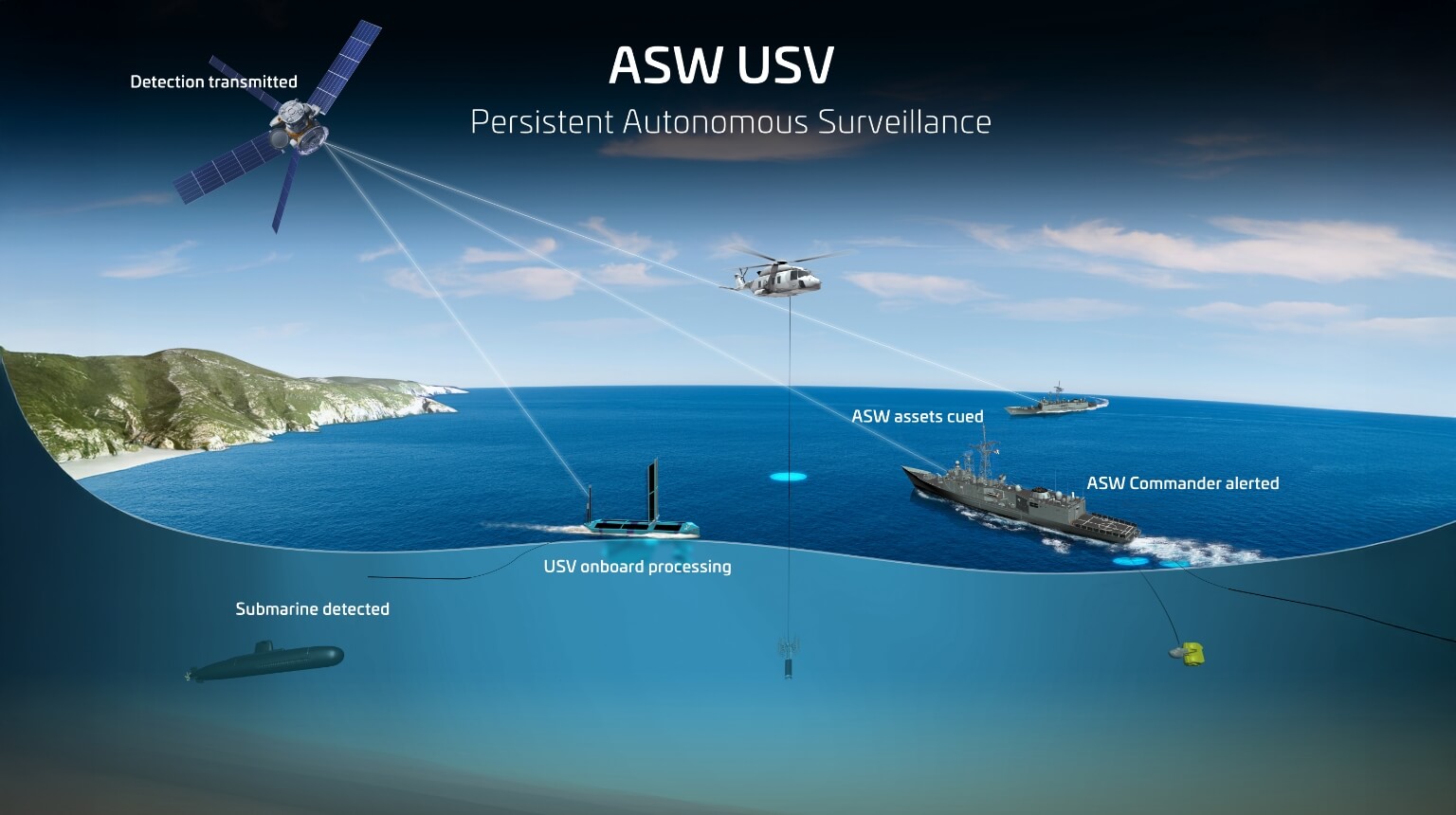
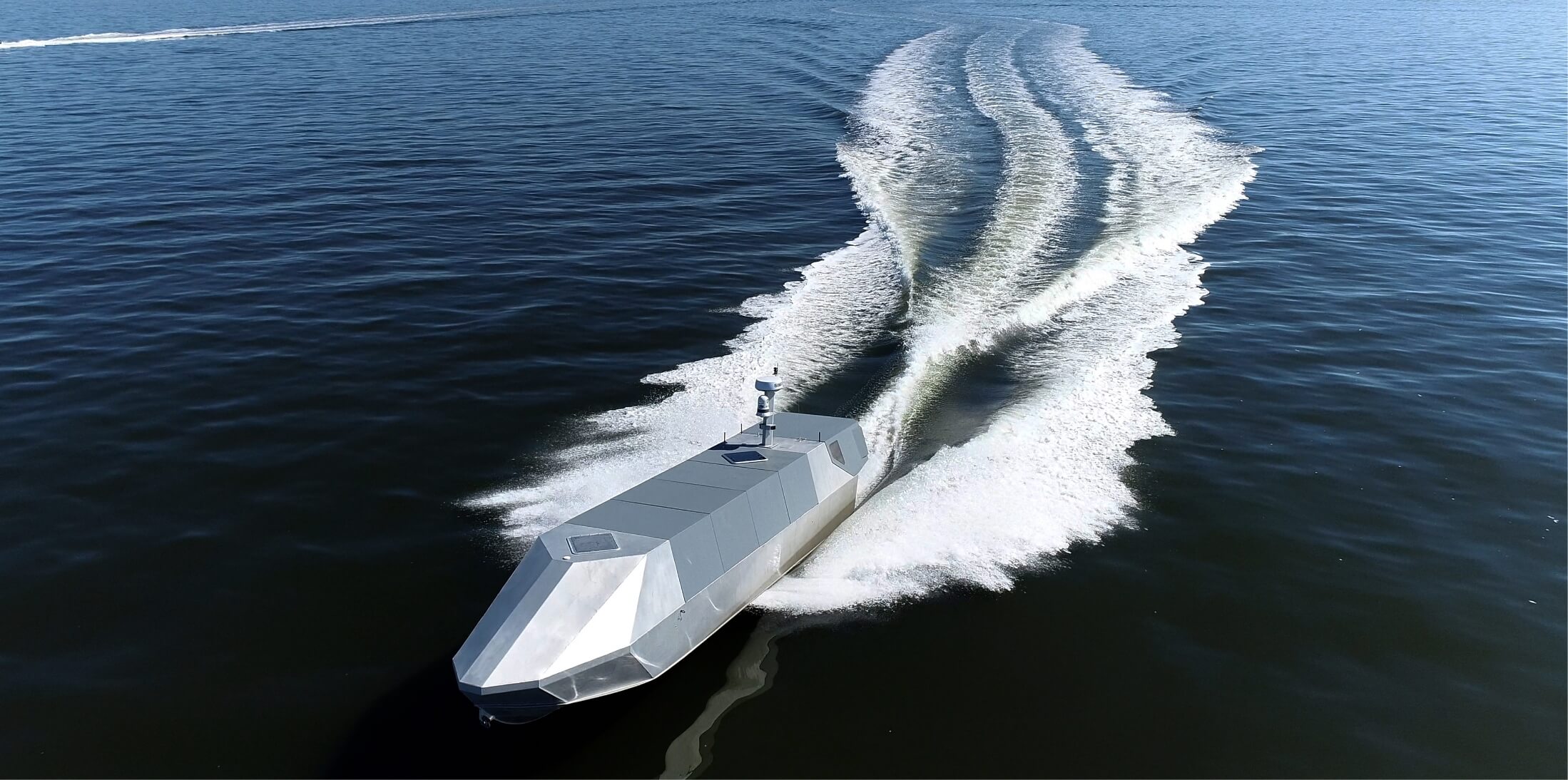
2 Canberra Class landing helicopter docks and 9 large unmanned surface vessels.
-
These are supported by investments in undersea surveillance, maritime missiles and unmanned systems.
-
Royal Australian Air Force: The RAAF is now a multi-domain ISR and strike force, built around survivability and networked operations:
-
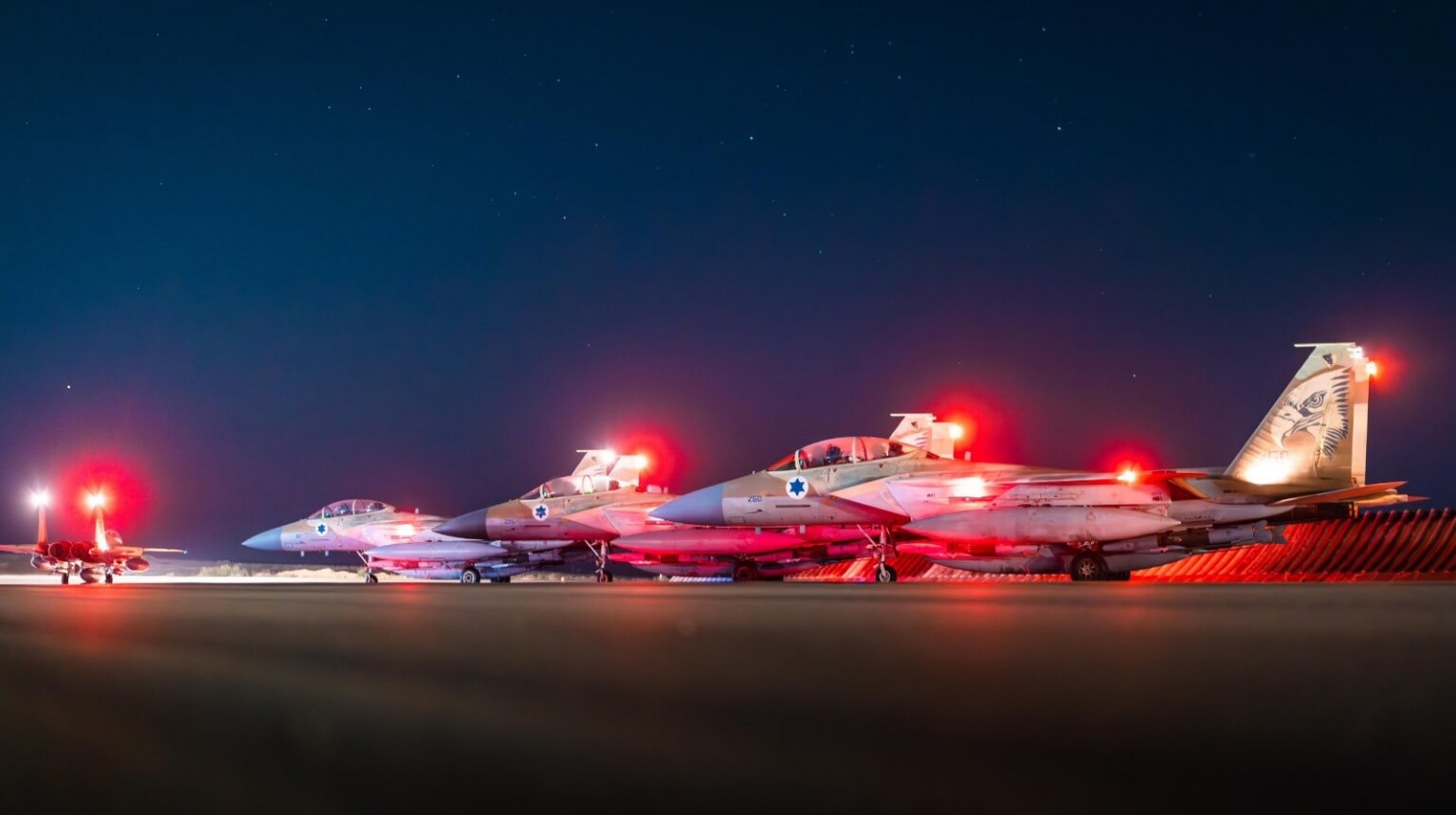
72 F-35A Lightning II fighters, supported by Super Hornets and Growlers.
-
6 E-7A Wedgetails, 6 MQ-4C Tritons and 14 P-8A Poseidons.
-
Joint Air-to-Surface Standoff Missiles, ARGM and potentially hypersonic missiles.
-
A robust mobility fleet, including C-17A, 20 C-130J-30 and KC-30A refuelling aircraft.
-
-
The RAAF also adopts distributed basing and runway dispersal to survive in contested environments and operate in joint/allied missions.
-
New domains: The ADF now operates in cyber and space, with dedicated defence space and cyber commands. Investments include offensive cyber tools, satellite resilience and information warfare capabilities – none of which existed in 1987.
-
Fiscal framework: The 2024 Integrated Investment Program commits AU$330 billion over the coming decade, with AU$5.7 billion uplift in the near term and defence spending forecast to reach 2.5 per cent of gross domestic product. Over 900 new public service roles are expected under AUKUS-related initiatives.
Strategic shifts: From defence to deterrence
While the 1987 doctrine sought to avoid conflict by deterrence in depth, the 2023–24 posture seeks to prevent conflict through deterrence by denial, enabled by technological advantage and regional engagement. Where the 1987 ADF was designed to operate independently, the modern ADF is built for interoperability and collective deterrence.
As the author notes, “Australia is no longer simply defending itself, it is seeking to shape its strategic environment.”
However, the transition is not without tension. While the new strategy is ambitious, real questions remain about the pace and coherence of implementation, integration with allies, and the resilience of domestic industrial capacity.
Strategic imperatives for a middle power in flux
In conclusion, this transformation reflects a broader identity shift for Australia – from a geographically isolated middle power to a regional actor of consequence. As the author warns:
“The time for complacency is over. The old ‘she’ll be right, mate’ mindset is dangerously out of step with a world and region growing more competitive, volatile and openly hostile.”
The implications are profound. A failure to adequately invest in whole-of-nation power – economic, industrial, diplomatic and military – will leave Australia strategically exposed.
To secure its future in a contested Indo-Pacific, Australia must:
-
Accelerate sovereign capability development across defence, space, cyber and advanced manufacturing.
-
Deepen strategic partnerships in the region beyond traditional allies.
-
Invest in societal resilience and strategic education to cultivate enduring public support.
-
Accept that in today’s security environment, “security must be earned, not assumed”.
Conclusion
Australia’s defence evolution from 1987 to 2024 is more than a shift in hardware – it is a shift in mindset. As great power rivalry intensifies and coercive statecraft reshapes the Indo-Pacific, the ADF must be a credible, forward-leaning instrument of national power. Only through sustained investment, strategic clarity and whole-of-nation resolve can Australia ensure that it not only survives in the Indo-Pacific – but helps shape it.