

AI on the battlefield: Transformative capability or ethical liability?
On one side, AI offers the prospect of enhanced situational awareness and rapid response. On the other, it can institutionalise bias, reduce human oversight and violate key principles of proportionality, distinction and precaution under international humanitarian law.”
Technological change has always been intertwined with military adaptation. However, the advent of AI represents more than an evolutionary step in warfare – it is a paradigmatic shift. AI-assisted systems now allow battlefield commanders to process vast volumes of data in real time, accelerating the identification of targets, threat prioritisation and kinetic responses.
Yet the integration of AI into combat operations presents a double-edged sword. On one side, AI offers the prospect of enhanced situational awareness and rapid response. On the other, it can institutionalise bias, reduce human oversight and violate key principles of proportionality, distinction and precaution under international humanitarian law (IHL).
The Gaza conflict offers a stark case study in how this dynamic is playing out in practice.
The IDF’s AI ecosystem: Targeting at machine speed
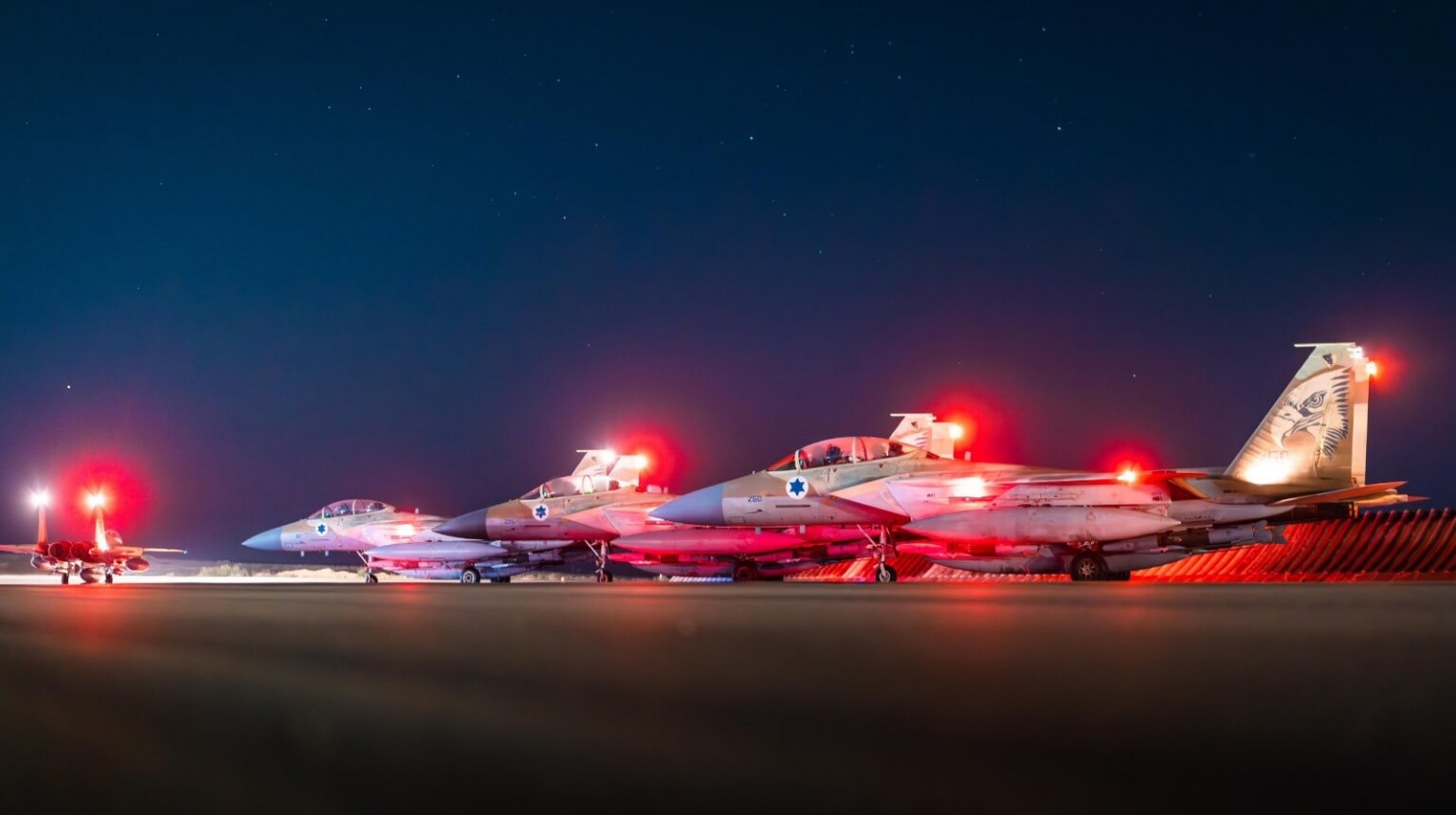
The Israeli Defence Force (IDF) has reportedly deployed a suite of AI tools to prosecute operations in Gaza. Chief among them is Lavender, an AI-decision support systems (DSS) used to identify suspected Hamas operatives. According to a 23 May report, titled The use of the ‘Lavender’ in Gaza and the law of targeting: AI-decision support systems and facial recognition technology, the Lavender system integrates facial recognition technology (FRT) with geospatial, human and open-source intelligence to generate targeting data. This data is subsequently reviewed by human analysts before being passed to field commanders.
Additional AI systems reportedly employed by the IDF include:
• Where’s Daddy? – monitors the movements of suspected Hamas members and notifies military personnel when they enter their residences, often triggering airstrikes irrespective of civilian presence.
• Fire Factory – an AI platform that “uses data about military-approved targets to calculate munition loads, prioritise and assign thousands of targets to aircraft and drones and propose a “schedule” of operations.
• The Gospel – tracks known militant locations and infrastructure.
These platforms are operated by Unit 8200, a branch of the Israeli Intelligence Corps.
According to Emelie Andersin, author of the aforementioned report, “In the first six months of the conflict … Lavender, in conjunction with these other tools, generated somewhere in the field of 37,000 targets and is reported to have a 90 per cent success rate of positive identifications.”
At the time of writing, Andersin notes, “more than 40,000 Palestinians have been killed in Gaza since 7 October 2023, at least 92,401 Palestinians have been wounded, and more than half of Gaza’s buildings destroyed or damaged”.
The scale and pace of this destruction raise significant legal and ethical concerns regarding the application of AI in armed conflict.
AI bias, black boxes and the erosion of human judgement
The integration of AI-DSS into kinetic operations introduces multiple points of potential failure. First, there exists a well-documented tendency towards automation bias, whereby human operators defer to machine-generated outcomes. As Andersin argues, “If the Lavender says a target is in fact a known militant, analysts may be tempted to trust the system more than they probably should.”
Second, AI systems are only as reliable as the data on which they are trained. If those datasets reflect racial, ethnic or operational biases, these will be replicated and potentially magnified by the system.
Andersin writes: “… assume a machine learning model is fed with videos and images of people of colour subject to sampling bias, because the developer believes that this group are likely to be terrorists due to racial prejudice. During the training phase, the algorithms will be taught to disproportionately label that group as ‘valid’ lawful targets far more frequently than other groups.”
Third, many AI systems operate as black boxes, meaning their internal decision-making processes are opaque, even to their users. The inability to explain or audit AI outputs undermines trust, accountability and – critically – the ability to assess legal compliance.
Legal concerns: AI and international humanitarian law
International humanitarian law provides three central principles for the lawful conduct of war: distinction, proportionality and precaution. These principles impose obligations on military actors to:
-
Distinguish between combatants and civilians.
-
Avoid or minimise collateral damage.
-
Take constant care to protect civilian lives and infrastructure.
Andersin asserts that the IDF’s use of AI-DSS and FRT in Gaza fails to satisfy these principles: “Ensuring the lawful use of AI-DSS in armed conflicts requires thorough verification to confirm that recommended targets are both accurate and not protected from direct attack under IHL. There is a risk of over-emphasising the need for speedy decision making at the cost of harm to the civilian population due to inaccuracy.”
She further recommends that to mitigate risk, “it may be necessary to limit the role of AI-DSS to certain tasks related to the use of force, restrict its use in contexts with a high civilian presence, and slow down the military decision-making process”.
Australian considerations: responsible AI integration
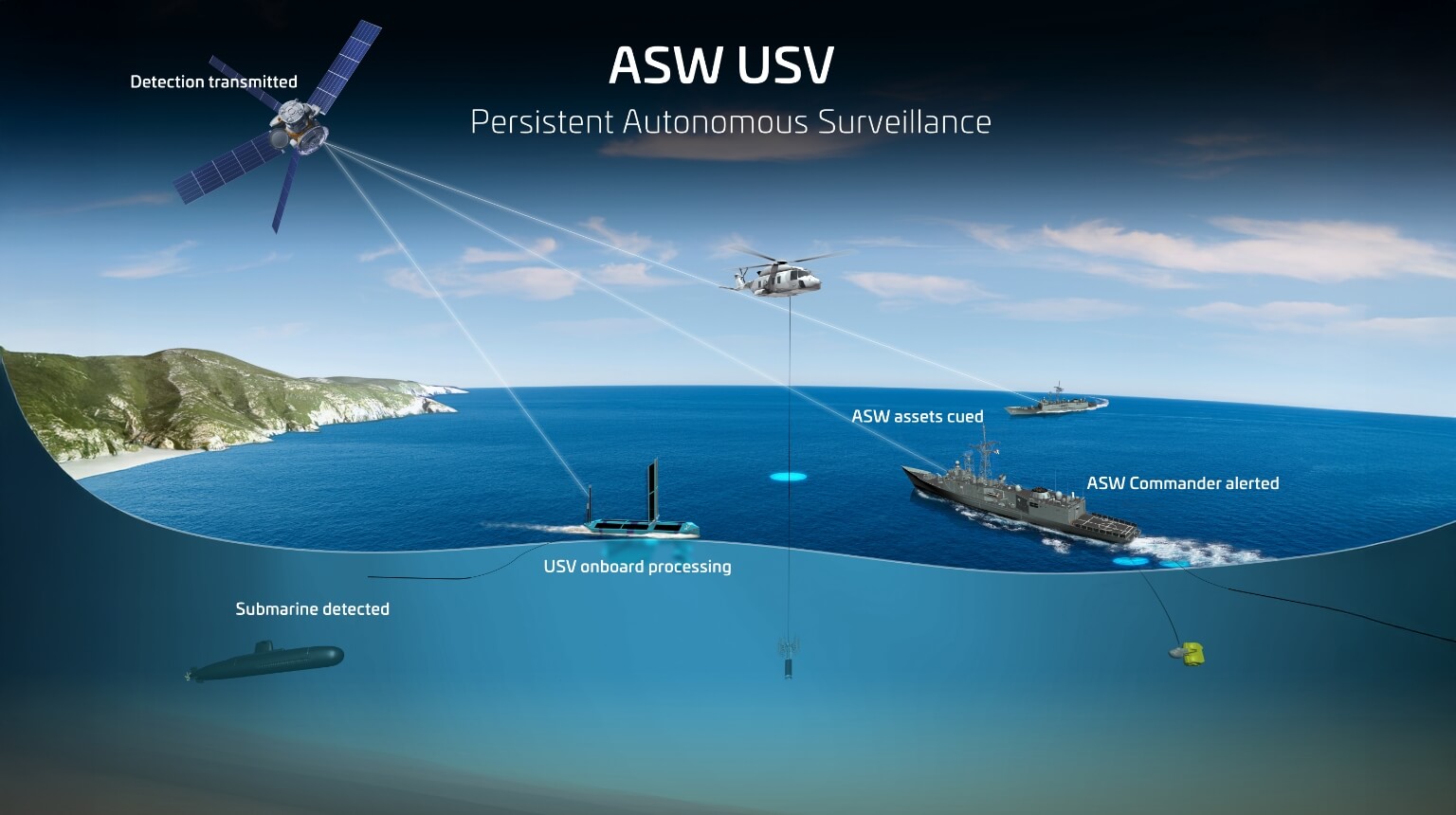
The use of AI in Gaza provides a cautionary tale for democracies seeking to integrate AI responsibly into military operations. Australia is among those exploring AI’s battlefield utility – and its limitations.
The most recent issue of the Australian Army Journal, titled Operational AI integration and Governance in the Australian Army, offers insight into the ADF’s thinking on these issues. Authored by Benjamin J Wood, a land autonomy policy liaison officer at Army HQ, the paper recognises the utility of AI as a “force multiplier, a safety feature and a decision-making advantage.”
Yet Wood is equally attuned to the risks: “Despite the potential operational flexibility created by AI technology, many commentators nevertheless contend that various technical, organisational, institutional and cultural limitations curtail the capacity of AI to revolutionise or even enhance current means of warfighting.”
He highlights a central tension in military AI deployment: “The tension between the desire of militaries to understand and predict the tools of warfare they command and an incapacity of humans to easily explain the chain of ML-generated logic responsible for AI outputs.”
Wood also notes the practical barriers to implementation: “The ability to train ML algorithms to produce reliable and predictable outputs for military applications depends on access to operational datasets of substantial size. Critics contend that such datasets ‘often do not exist in the military realm’. Further, sharing such outputs with industry will often be restricted by information security policies.”
Recommendations for ethical AI integration
Australia has the opportunity to adopt a leadership role in the responsible governance of AI-enabled military systems. The IDF’s experience in Gaza underscores the urgency of developing a comprehensive ethical, legal and operational framework. Key recommendations include:
• Human-in-the-loop mandates: AI-generated targeting recommendations must be subject to rigorous human review and verification to ensure compliance with IHL.
• Bias mitigation standards: AI training datasets must be scrutinised for demographic, racial, or contextual biases. External audits and red teaming should be routine.
• Explainability and transparency: AI systems must be designed with explainable decision-making pathways that can be interrogated and documented for accountability.
• Operational limitations: AI-DSS should not be deployed in densely populated urban environments without exhaustive precautions. Their use must be constrained in high civilian risk scenarios.
• International norm building: Australia should champion the development of multilateral norms and verification mechanisms for the ethical use of military AI.
Conclusion
The deployment of AI on the battlefield is not hypothetical – it is already shaping the conduct of war in real time. While AI offers significant operational advantages, its use in targeting decisions – particularly in environments like Gaza – raises profound legal, ethical and strategic questions.
Australia must learn not only from the successes of AI integration but also from its most consequential failures. Avoiding the mistakes evident in the IDF’s conduct will require more than technical innovation – it will demand a culture of restraint, accountability and transparency. As Wood rightly notes, “the tension” between utility and control will define the future of AI in warfare.
Australia now stands at a critical juncture: it can choose to shape the norms of ethical AI warfare or risk becoming shaped by others.