

The evolving cross-strait strategic environment
Over the last decade, cross-strait relations between the People’s Republic of China (PRC) and Taiwan have deteriorated markedly, driven by political divergence and intensifying strategic mistrust. Since the 2016 election of then President Tsai Ing-wen and the Democratic Progressive Party (DPP), whose administration has consistently rejected Beijing’s “One China” framework and the 1992 Consensus, the PRC has responded with escalating forms of pressure.
These include:
• Daily incursions into Taiwan’s air defence identification zone.
• Expansion of grey zone tactics.
• Economic coercion and disinformation campaigns.
• Full-spectrum military exercises simulating a blockade or invasion.
This trajectory has triggered mounting concern across the Indo-Pacific. The United States, in particular, has reaffirmed its commitment to Taiwan under the Taiwan Relations Act through increased arms sales, naval presence and senior-level diplomatic engagement. However, this remains under the rubric of strategic ambiguity and Beijing continues to view such actions as inflammatory.
The possibility of miscalculation or deliberate escalation is increasingly considered one of the most serious flashpoints for major-power conflict in the contemporary international system. For countries such as Australia, the trajectory of the Taiwan Strait represents a strategic challenge with direct consequences for national security planning and regional stability.
For countries such as Australia, the trajectory of the Taiwan Strait represents a strategic challenge with direct consequences for national security planning and regional stability.”
Strategic insights from the Taipei war game
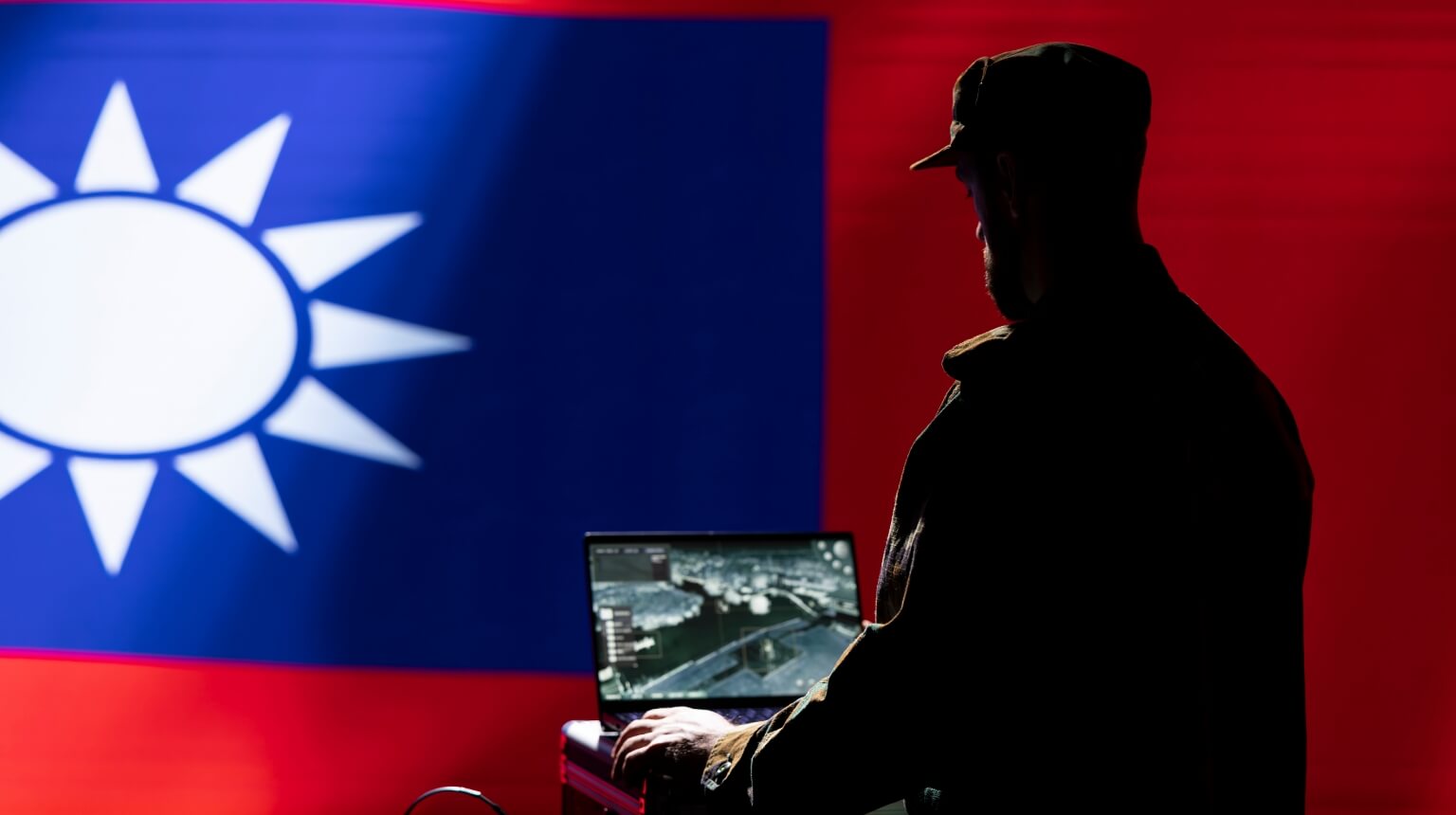
The South China Morning Post’s Taipei-based correspondent, Lawrence Chung reports on a major war game simulating a 2030 cross-strait conflict conducted by three Taiwanese think tanks, led by the Taipei School of Economics and Political Science.
Chung writes that the simulation “highlighted ‘systemic weaknesses’ that may make America more reluctant to intervene”.
Among the key takeaways were:
-
Loss of territorial control: The exercise saw Taiwan lose control of several outer island territories, most notably Penghu, in the early stages of the conflict, as the PLA executed a multi-front assault. Taiwan’s initial responses proved inadequate in countering the rapid pace of PLA operations.
-
Naval and economic blockade: According to Chung, “The PLA sent state-affiliated vessels within 12 nautical miles of the island … the Taiwan team avoided direct engagement.” Later phases involved the PLA seizing the Pratas (Dongsha) Island, launching cyber attacks and missile strikes, and executing a comprehensive naval blockade.
-
Psychological and political fragility: The control group overseeing the exercise criticised Taiwan’s lack of counter-offensive will, particularly after the failure to retake Dongsha. As Chung notes, “This inaction prompted sharp criticism … warning Taiwan’s team to ‘go home tonight and seriously consider a response’.”
-
Allied concerns over national will: One retired US admiral reportedly warns that American intervention would hinge on “Taiwan’s will to fight”. Chung details a key moment where “a collapse in morale among the Taiwanese government or public would severely compromise the military’s will to resist”.
-
Time frame for allied reinforcement: US participants in the exercise have assessed that Taiwan would need to sustain its defences independently for at least two to three weeks before reinforcements could arrive – a tall order given current vulnerabilities.
Lee Wen-chung, former director of the Institute for National Defence and Security Research, says that “Taiwan’s will to fight will have a great deal of effect” on US decisions. Should a conflict be seen as provoked by moves towards Taiwanese independence, he warns, American support could be less assured.
Implications for Australian strategic policy
For Australia, the war game presents an urgent reminder that strategic assumptions about allied support and regional stability must be reconsidered in light of evolving threat environments. The simulation illustrates that allied intervention is increasingly contingent – not guaranteed – and that national will, capability and resilience are prerequisites for effective deterrence.
Key implications include:
i. Reinforce sovereign resilience and national resolve
-
Public commitment to national defence must be cultivated through civic education, clear strategic communication and potentially through national service debates.
-
Mobilisation frameworks, including reserves and civil defence, must be stress-tested through large-scale national exercises.
-
Information resilience, psychological preparedness and national unity must be treated as core national security assets.
ii. Prioritise independent and networked deterrence
-
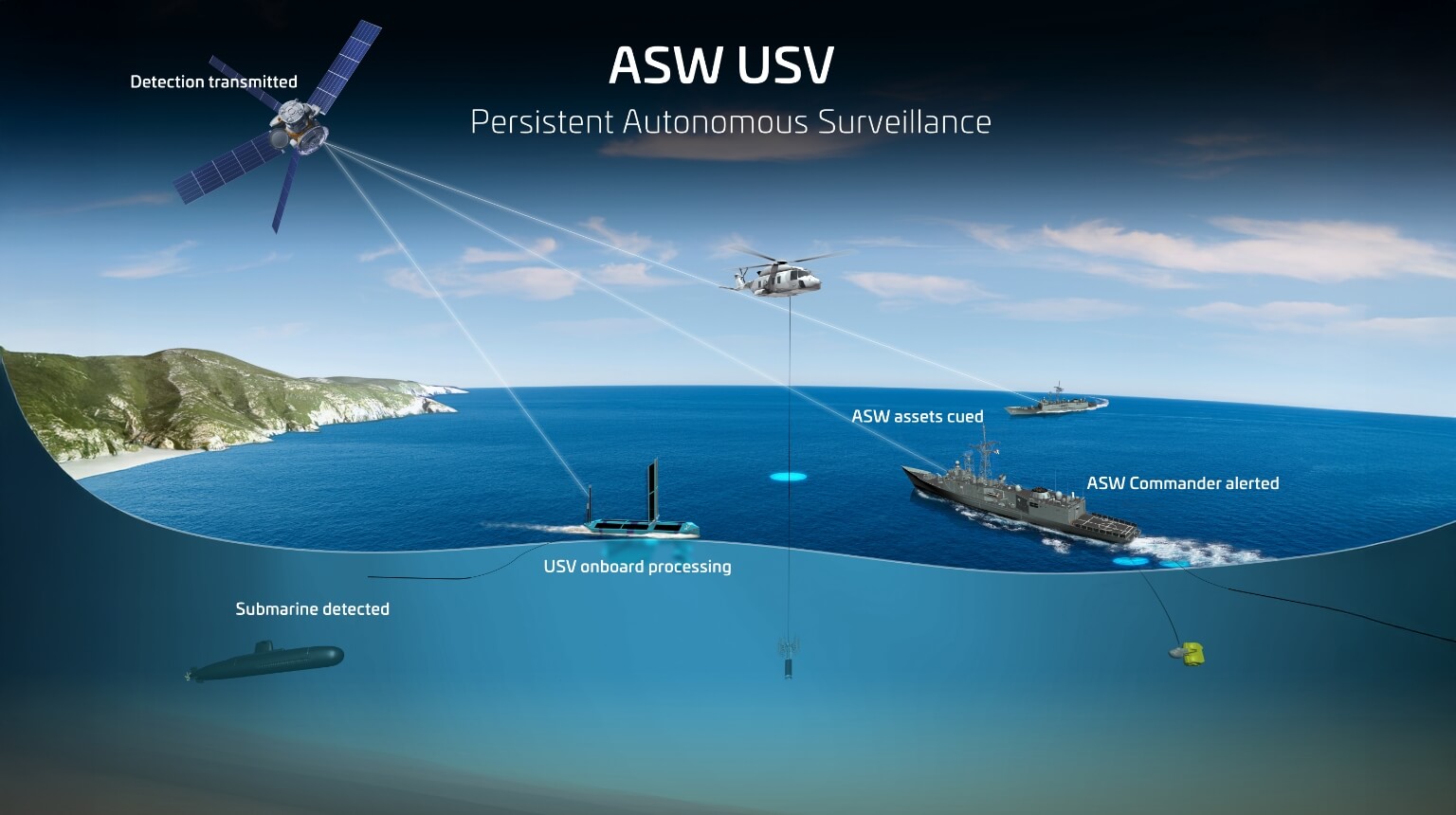
Sovereign capabilities in long-range strike, maritime denial, intelligence, surveillance, reconnaissance, and cyber defence must be expanded at pace.
-
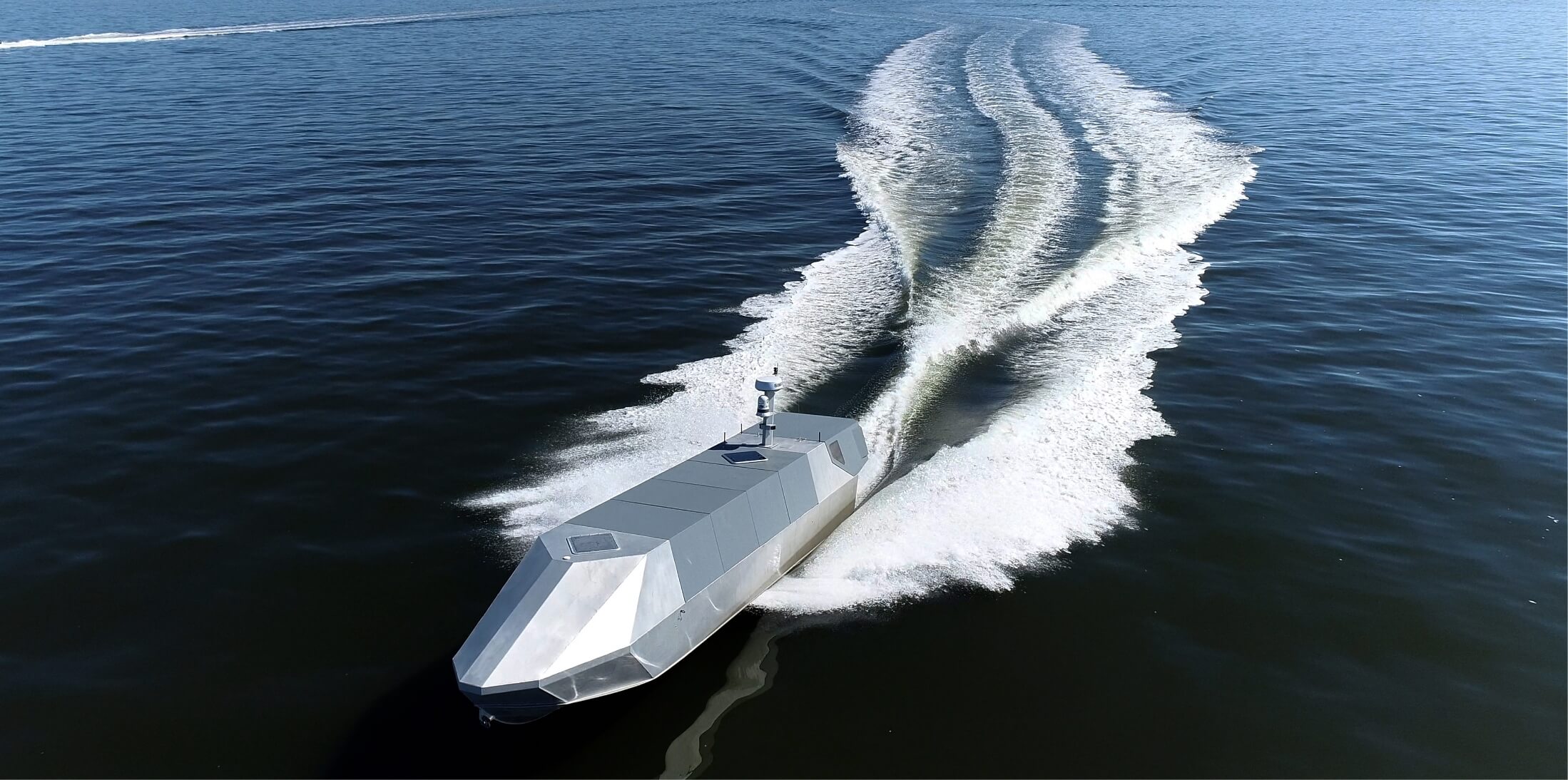
Investments in autonomous systems, space-based assets and hardened northern basing infrastructure must be prioritised.
-
Australian strategy must aim not merely to contribute to collective deterrence but to shape adversary risk perceptions independently.
iii. Reframe expectations within the US alliance
-
The Australia–US alliance must evolve into one of reciprocal capability and readiness, not passive dependence.
-
US decision making in future regional crises will likely reflect calculations of Taiwan's – or Australia’s – own will to resist, not historical loyalty alone.
-
Canberra must be prepared for a future in which US support may be constrained by competing global contingencies.
iv. Deepen Indo-Pacific partnerships
-
Australia must strengthen partnerships with key regional actors, including Japan, India, Indonesia, and the Philippines, moving beyond episodic cooperation to enduring, institutionalised defence architectures.
-
Regional deterrence must be multilateral and credible – not reliant solely on US presence.
v. Challenge strategic complacency at home
-
Defence policy must not be delayed by institutional inertia, political short-termism or legacy procurement systems.
-
The consequences of a war over Taiwan – or similar contingencies – would be transformative and possibly irreversible for the region.
-
Strategic preparation, including whole-of-nation readiness, must commence in peacetime, not in crisis.
Conclusion
The Taiwanese simulation offers more than a theoretical glimpse into cross-strait conflict. It reveals critical deficiencies in political will, strategic clarity and public preparedness – factors that, in the modern battlespace, may prove as decisive as kinetic capability.
For Beijing, these observations reinforce a belief in Western reluctance. For Washington, they raise profound questions about alliance commitments. For Australia, they serve as a stark warning: strategic readiness is no longer optional.
Failure to heed this moment – and to build genuine national resilience, credible deterrence and self-reliant defence posture – will leave Australia dangerously exposed in an era defined by contested resolve and coercive statecraft.
In future conflicts, particularly those with existential regional stakes, the price of strategic delay will be paid not in abstract terms, but in lives, sovereignty and national survival.