






Shaping the integrated, focused force: Secure communications, digital transformation and simulation in the modern ADF
The character of warfare is evolving at a pace unseen since the dawn of the industrial age as the Australian Defence Force looks to the future towards an increasingly contested Indo-Pacific and the technological acceleration defining the 21st century.
This shift is driving the broader transformation of the ADF, at a more granular level. The capacity of the ADF to communicate securely, transform digitally and train through advanced simulation will define not only its operational edge, but its strategic relevance.
These three pillars: secure communications, technology-driven digital transformation, and leading-edge simulation, form the backbone of a future-ready ADF capable of operating in a multi-domain environment marked by speed, complexity and constant change.
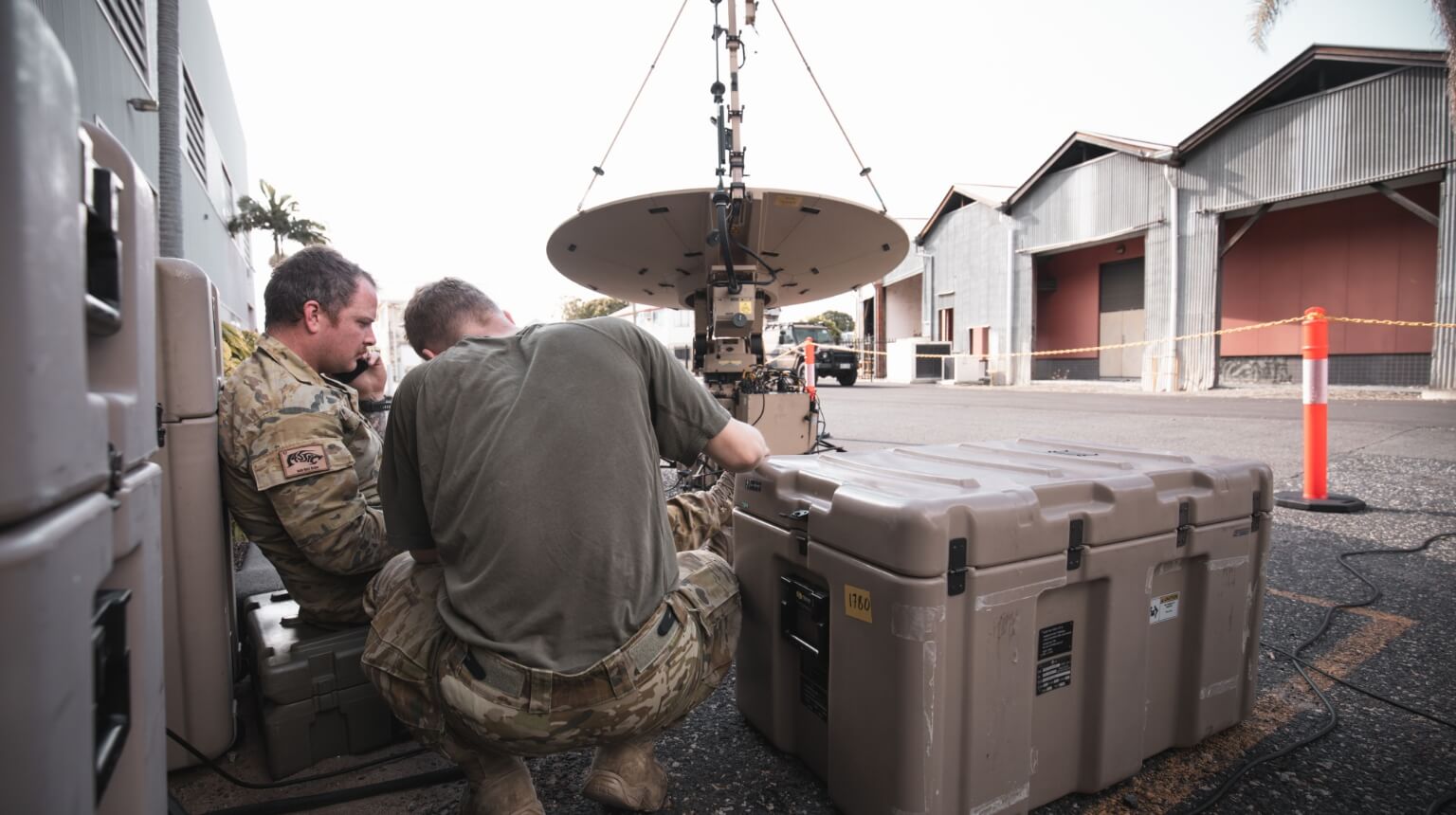
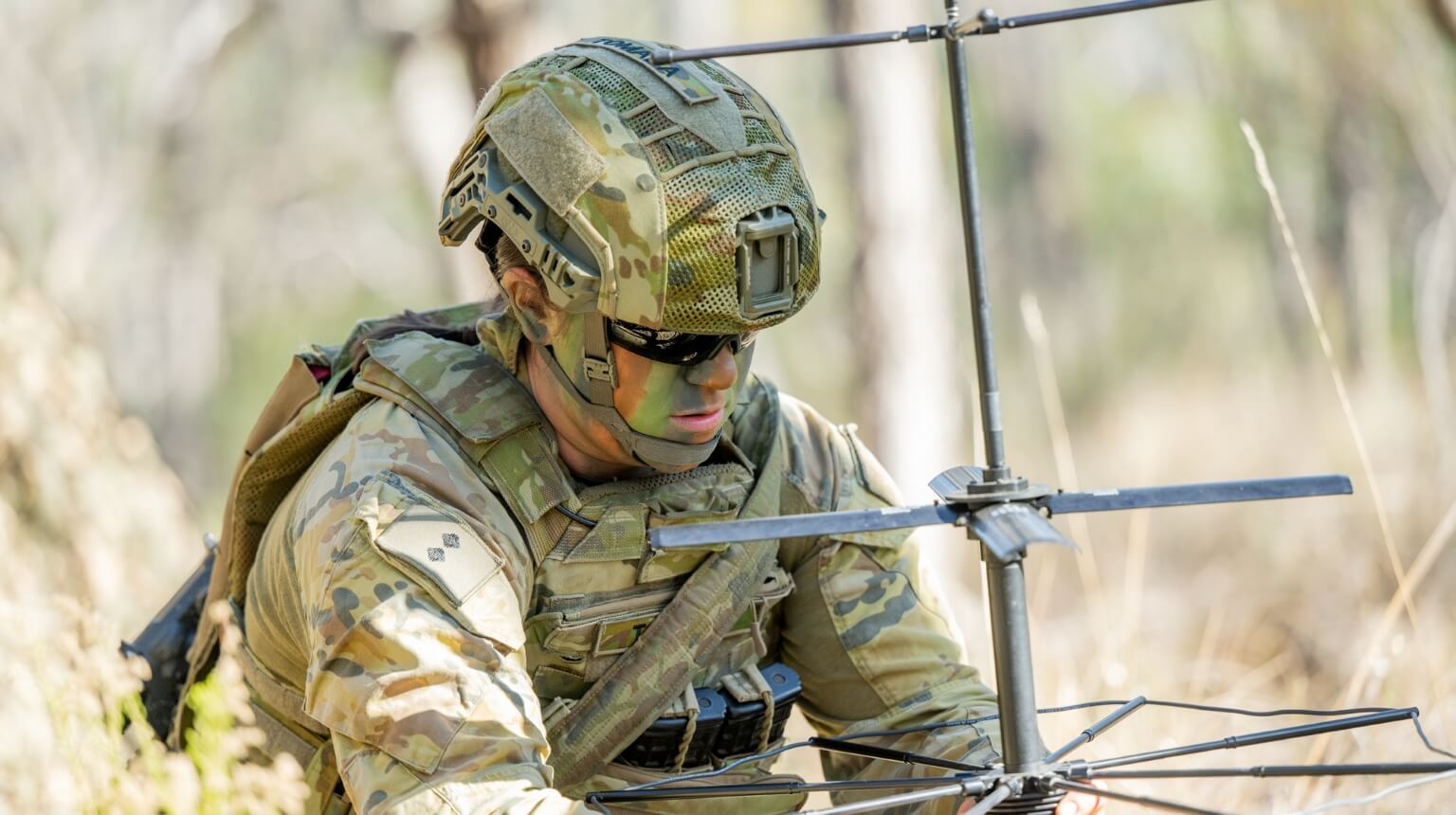
At the core of all modern military operations lies communication: the seamless, secure exchange of information across air, land, sea, space and cyber domains.
In an era where data has become the most valuable strategic asset, maintaining the integrity, availability and confidentiality of information is paramount. For the ADF, secure communications underpin command and control, situational awareness and interoperability with allies.
Whether coordinating strike operations, sustaining dispersed forces or managing humanitarian relief efforts, the ability to transmit trusted information without compromise or delay is what turns intent into action.
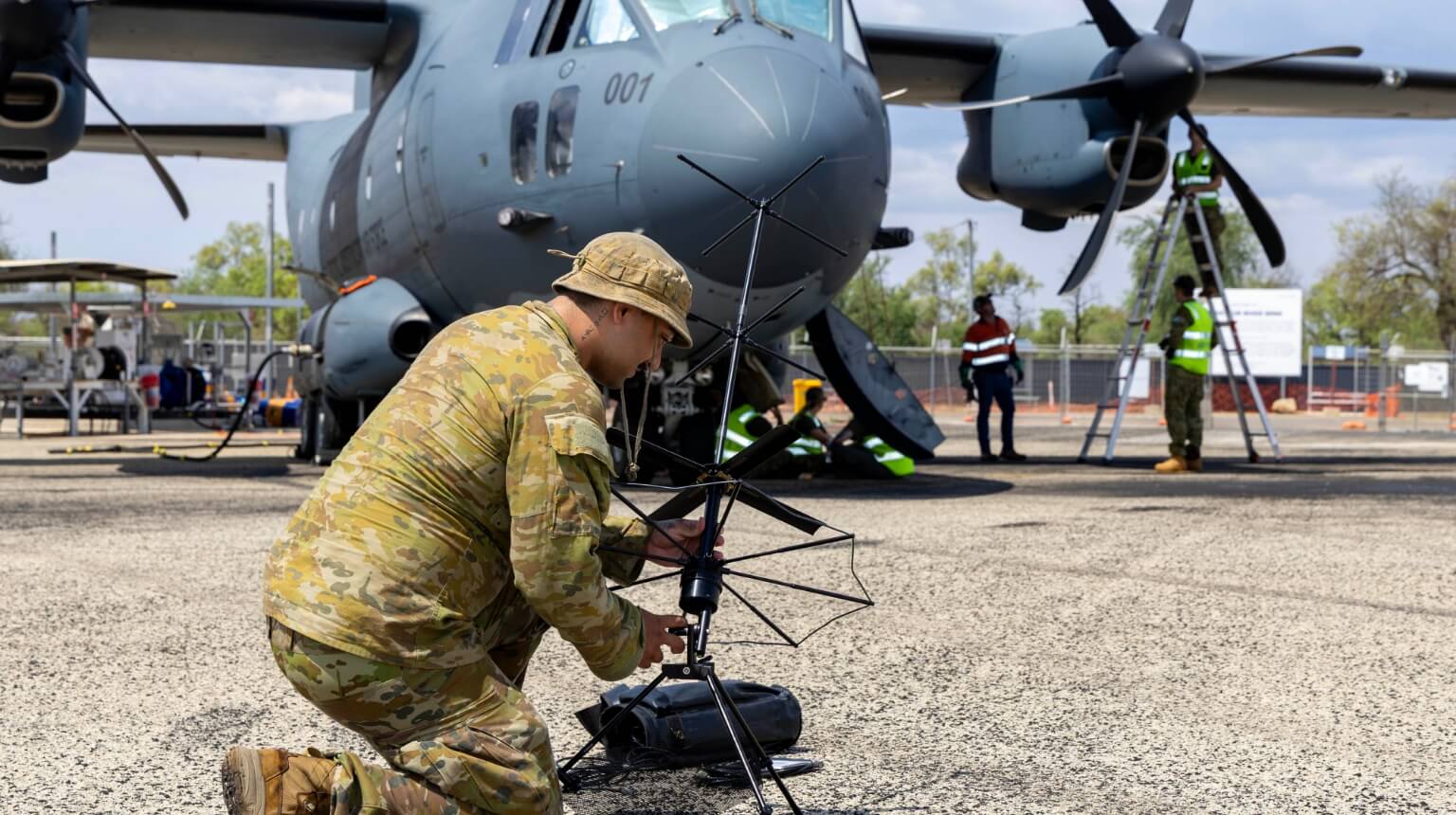
Emerging technologies such as quantum encryption, resilient mesh networks and low-Earth orbit satellite constellations promise to redefine the way the ADF communicates in the coming decades.
Yet the challenge lies not only in acquiring these technologies, but in integrating them across services and platforms.
The ADF’s future operational concept, whether in joint all-domain operations or distributed maritime and land campaigns, demands a communications ecosystem that is secure, scalable and adaptive under electronic and cyber attack.
The digital battlefield will be as much about protecting data pathways as it is about projecting force.
Parallel to the communications imperative is the ADF’s broader digital transformation agenda. The integration of artificial intelligence, machine learning, big data analytics and automation is reshaping defence organisations worldwide, and Australia must not fall behind. Digital transformation is not merely about upgrading systems or digitising processes, it represents a fundamental shift in how Defence thinks, decides and fights.
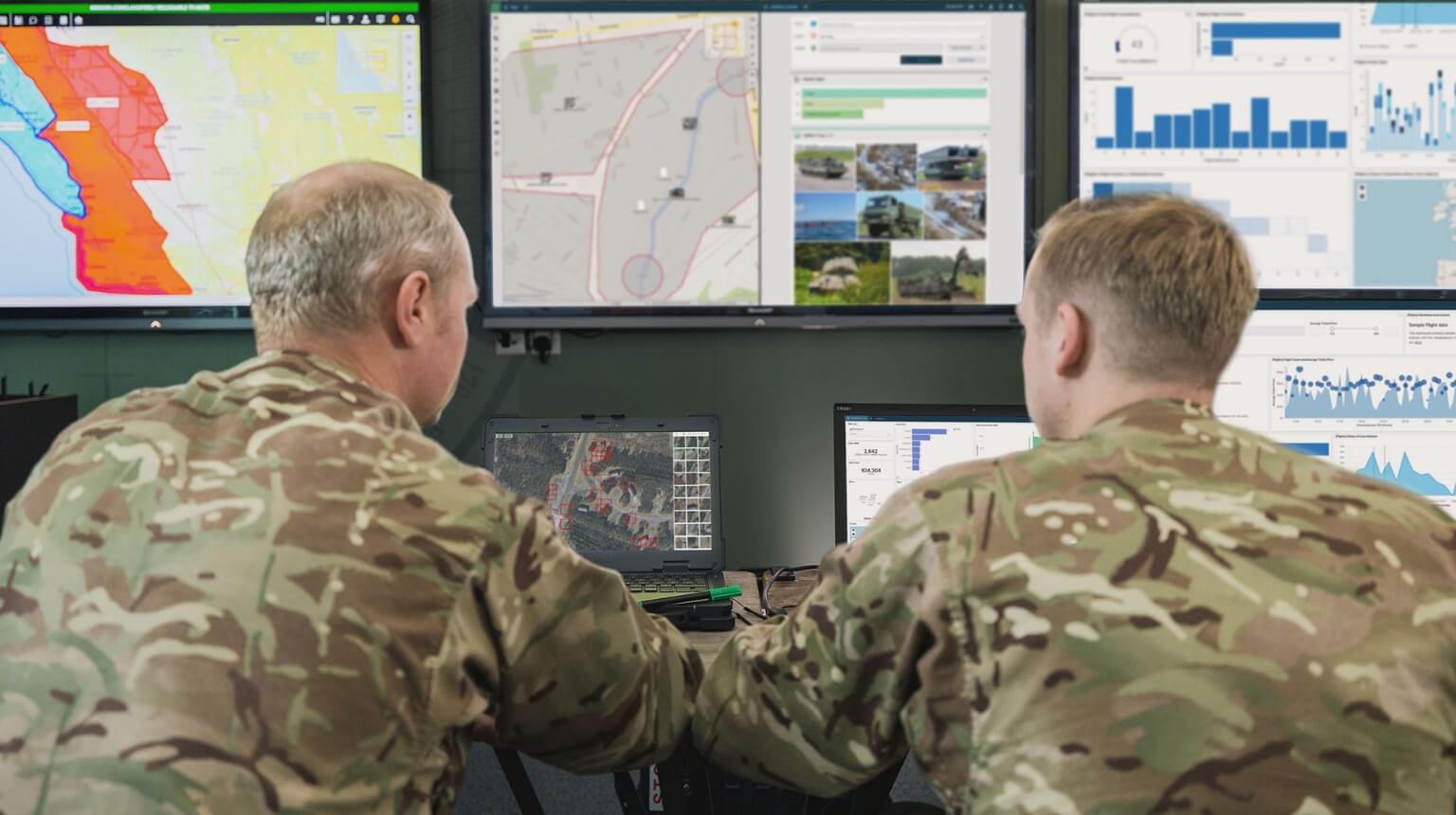
Data-driven decision making allows commanders to anticipate threats, optimise logistics and synchronise effects with unprecedented precision. Integrated digital architectures can fuse intelligence from satellites, sensors and open sources into actionable insight within seconds rather than hours or days.
This transformation also extends to Defence culture. It demands a workforce skilled in data science, software development and cyber operations – one that is agile, collaborative and comfortable with innovation cycles more akin to the tech industry than traditional military procurement.
The ADF’s success will depend on how effectively it embeds digital literacy across its ranks, modernises its information infrastructure and cultivates partnerships with Australian industry, academia and start-ups to stay ahead of adversaries in the information domain.
However, technology alone cannot guarantee readiness or superiority.
The ability to train, adapt and experiment safely and cost-effectively is what will ultimately shape the ADF’s warfighting effectiveness, and this is where leading-edge simulation comes into play. Simulation, once limited to flight trainers or computer wargames, has evolved into a powerful instrument of force design, capability development and mission rehearsal.
Through synthetic environments that accurately replicate complex operational settings, personnel can train collectively across services and domains, testing tactics and decision making under realistic pressures without consuming costly munitions or risking lives.
The advent of digital twins, virtual replicas of real-world systems and environments, offers even greater potential.
The ADF could, for example, simulate an integrated air and missile defence scenario, incorporating real-time data from radars, sensors and command systems to test responses against evolving threats.
Simulation thus becomes not just a training tool, but a decision support mechanism for policymakers and commanders alike. In an age where deterrence depends as much on preparedness as capability, the ability to model and refine operational concepts before they are tested in combat is invaluable.
The intersection of these three domains – secure communications, digital transformation and simulation – will determine the ADF’s agility and resilience in the decades ahead. Together, they create the connective tissue of a truly networked force: one that can sense, decide and act faster than its adversaries.
The battlespace of the future will reward those who can harness and protect information, innovate through technology and adapt through continuous learning.
For Australia, investing in these areas is not optional, it is a strategic necessity. Secure military communications ensure trust and survivability in the information age; digital transformation empowers the force to make better decisions faster; and advanced simulation ensures that every soldier, sailor, aviator and operator can train as they will fight.
As the ADF navigates an increasingly volatile region and prepares to meet the challenges of great power competition, these capabilities will not merely shape how it fights, they will define what kind of force it becomes.
Stephen Kuper
Lead - Defence & Aerospace and Senior Analyst
Momentum Markets