

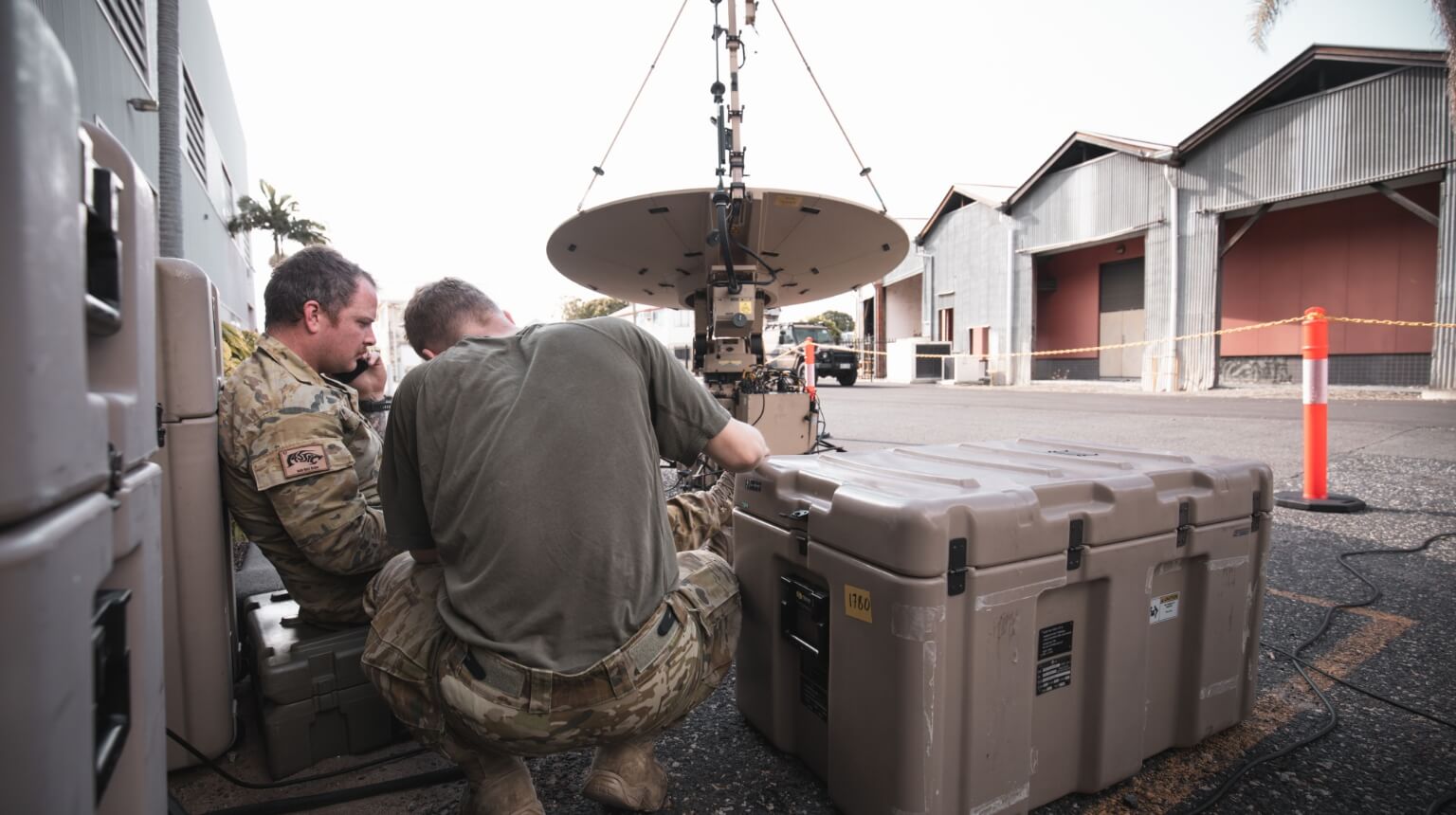
For Australia, a nation whose strategic depth is measured in oceans and deserts, sovereign satellite communications (SATCOM) capability is nothing short of essential.
It underpins the integrated joint force that the Australian Defence Force is striving to become, one capable of fusing land, sea, air, cyber and space effects into a single, coherent force projection system.
For decades, Australia has relied heavily on access to allied satellite networks, particularly those of the United States.
This dependence has provided unmatched interoperability and access to cutting-edge technology, but it has also exposed a critical vulnerability: a lack of sovereign control over the very systems that connect Australia’s dispersed forces.
In a future characterised by contested electromagnetic environments and strategic competition in space, relying solely on shared or foreign-owned satellite infrastructure is an untenable risk.
The imperative for sovereign SATCOM capability lies at the intersection of three realities: geography, technology and strategy.
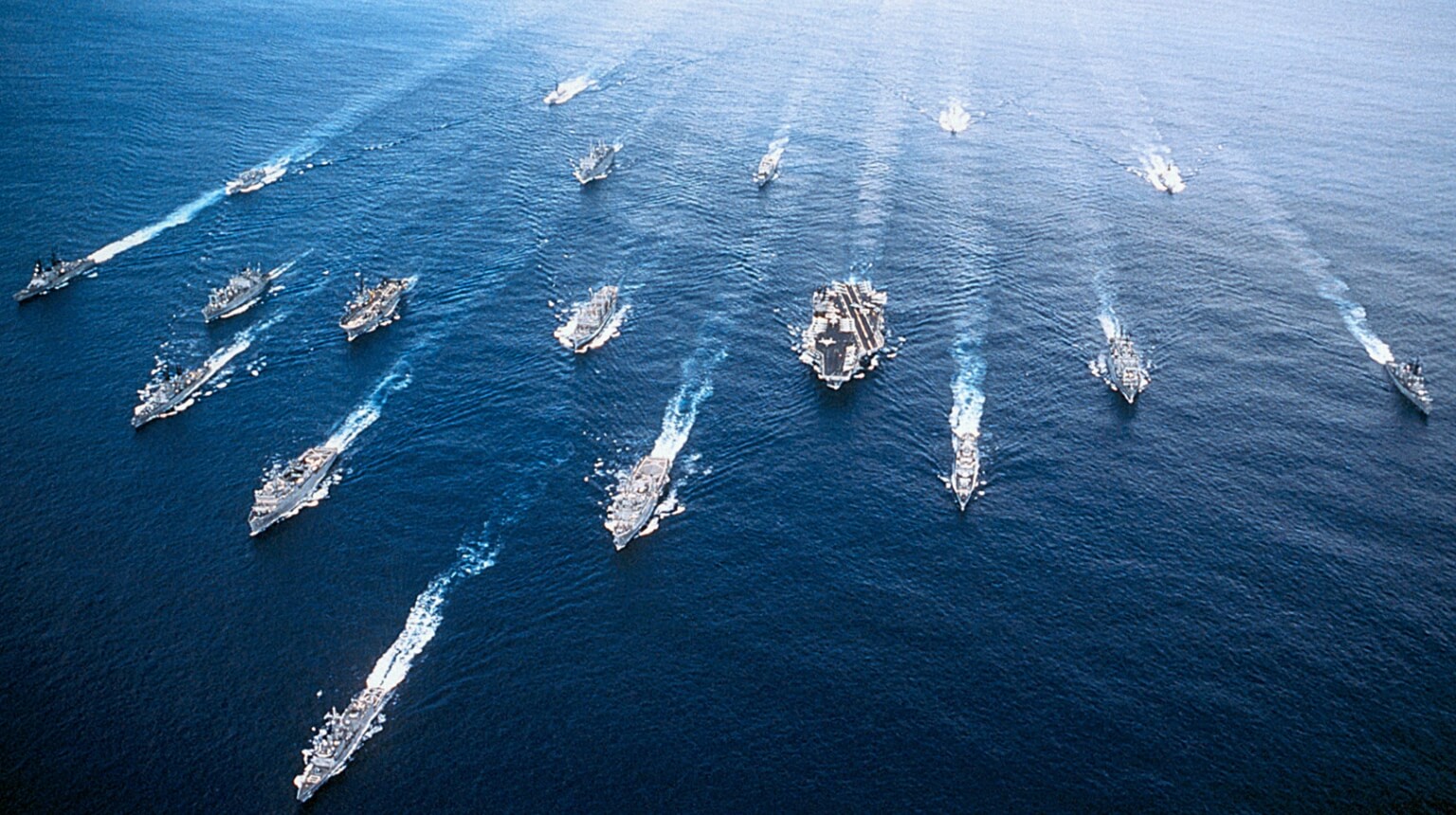
First, geography. Australia’s immense landmass and maritime approaches, stretching from the Indian Ocean to the Pacific, demand communications systems capable of linking widely dispersed forces operating across thousands of kilometres.
From submarines patrolling in the archipelagic chokepoints of south-east Asia to air and naval task groups operating in the northern approaches, to Army units deployed in the outback or on regional stabilisation missions, seamless and secure communications are vital. Fibre and line-of-sight radio networks cannot bridge such distances. Only satellites can.
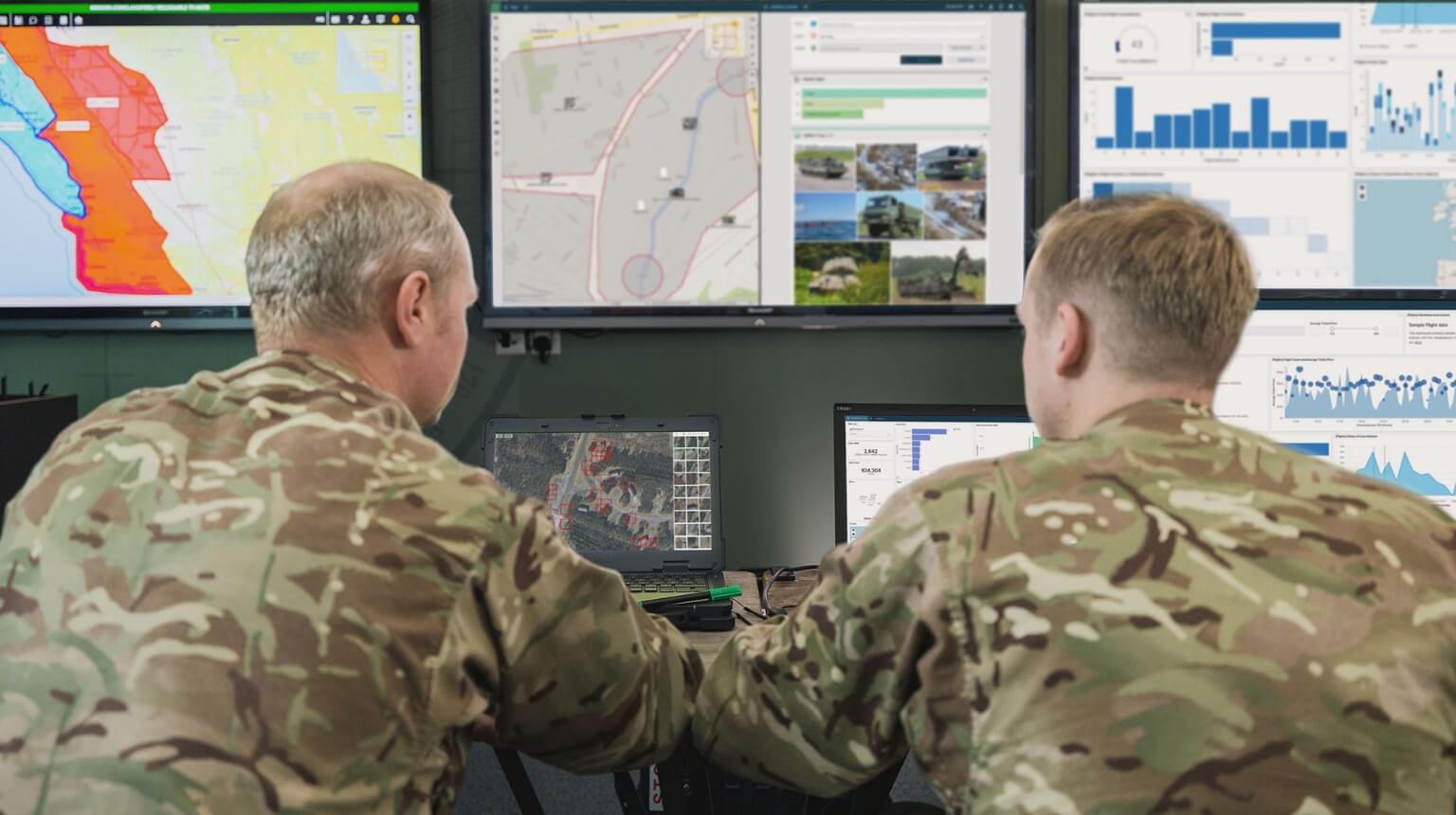
Second, technology. Modern warfare is built on networks of information. Intelligence, surveillance, and reconnaissance feeds; command-and-control links; sensor fusion for integrated air and missile defence; and targeting data for precision fires all depend on resilient, high-bandwidth communications.
The ADF’s transition to a truly integrated joint force, as articulated in the Defence Strategic Review, rests on its ability to connect every sensor to every shooter across domains. This networked warfare model cannot function without reliable SATCOM that is both protected and sovereign.
Emerging technologies amplify this requirement. Uncrewed systems, collaborative combat aircraft and distributed maritime operations generate immense data demands.
Artificial intelligence-enabled decision support and autonomous mission control depend on real-time connectivity. The rapid proliferation of low-Earth orbit satellite constellations offer promise, enabling redundancy, lower latency and wider coverage but also raises questions about control, prioritisation and security of access.
A sovereign system ensures that these capabilities serve Australia’s needs first, not those of another nation or commercial provider.
Third, strategy. Australia’s shift from a defence-of-Australia posture to one of forward deterrence and regional engagement means that communications networks must extend across the Indo-Pacific, often into contested or degraded environments.
Adversaries are investing heavily in counter-space capabilities, including jamming, spoofing and kinetic anti-satellite weapons. In such conditions, reliance on foreign systems no matter how reliable in peacetime could become a single point of failure.
Sovereign SATCOM ensures that the ADF retains operational independence and freedom of action, even if coalition networks are denied or prioritised elsewhere.
Building sovereign SATCOM capability does not mean severing alliance ties, rather, it strengthens them. A self-reliant communications architecture provides Australia with assured connectivity while enhancing its value as a partner.
A self-reliant communications architecture provides Australia with assured connectivity while enhancing its value as a partner.”
Allied interoperability is best served when each participant brings credible, resilient networks to the table. The United States’ Wideband Global SATCOM program, in which Australia has been an investor since 2007, demonstrates how shared architectures can coexist with sovereign control.
Future efforts should take this further: Australian-owned satellites operated by Defence or trusted national industry partners, integrated but not dependent.
Industry plays a pivotal role in this transformation. Developing, launching and operating sovereign SATCOM systems builds national resilience while driving innovation in Australia’s growing space sector.
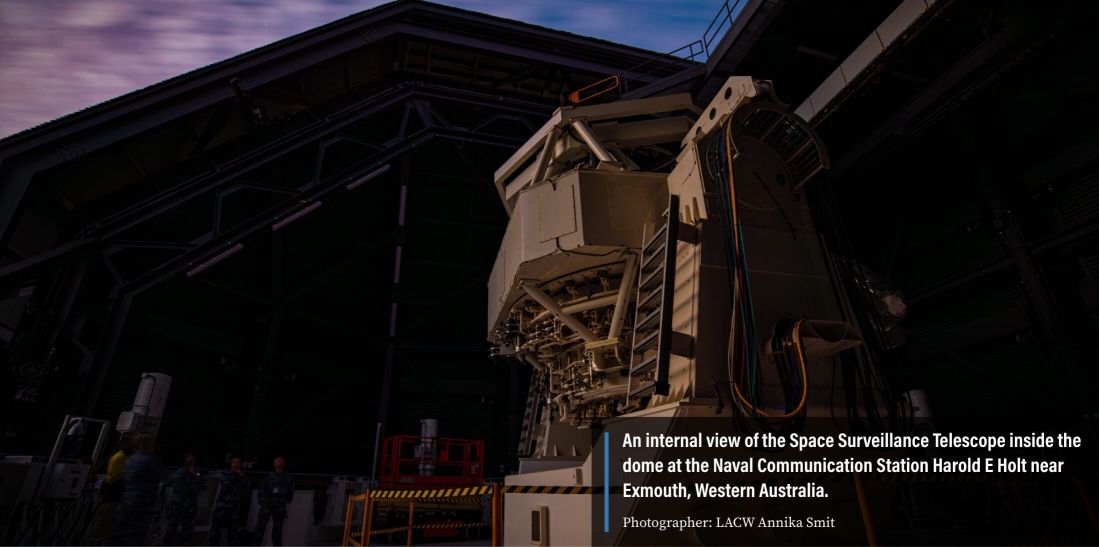
Companies such as Electro Optic Systems, Fleet Space Technologies, and Gilmour Space Technologies are already advancing capabilities in satellite design, ground stations and launch. Government investment through Defence Space Command and the Australian Space Agency can catalyse this ecosystem, ensuring that sovereign SATCOM remains not only an operational asset but a strategic industry pillar, one that secures supply chains, intellectual property and workforce skills.
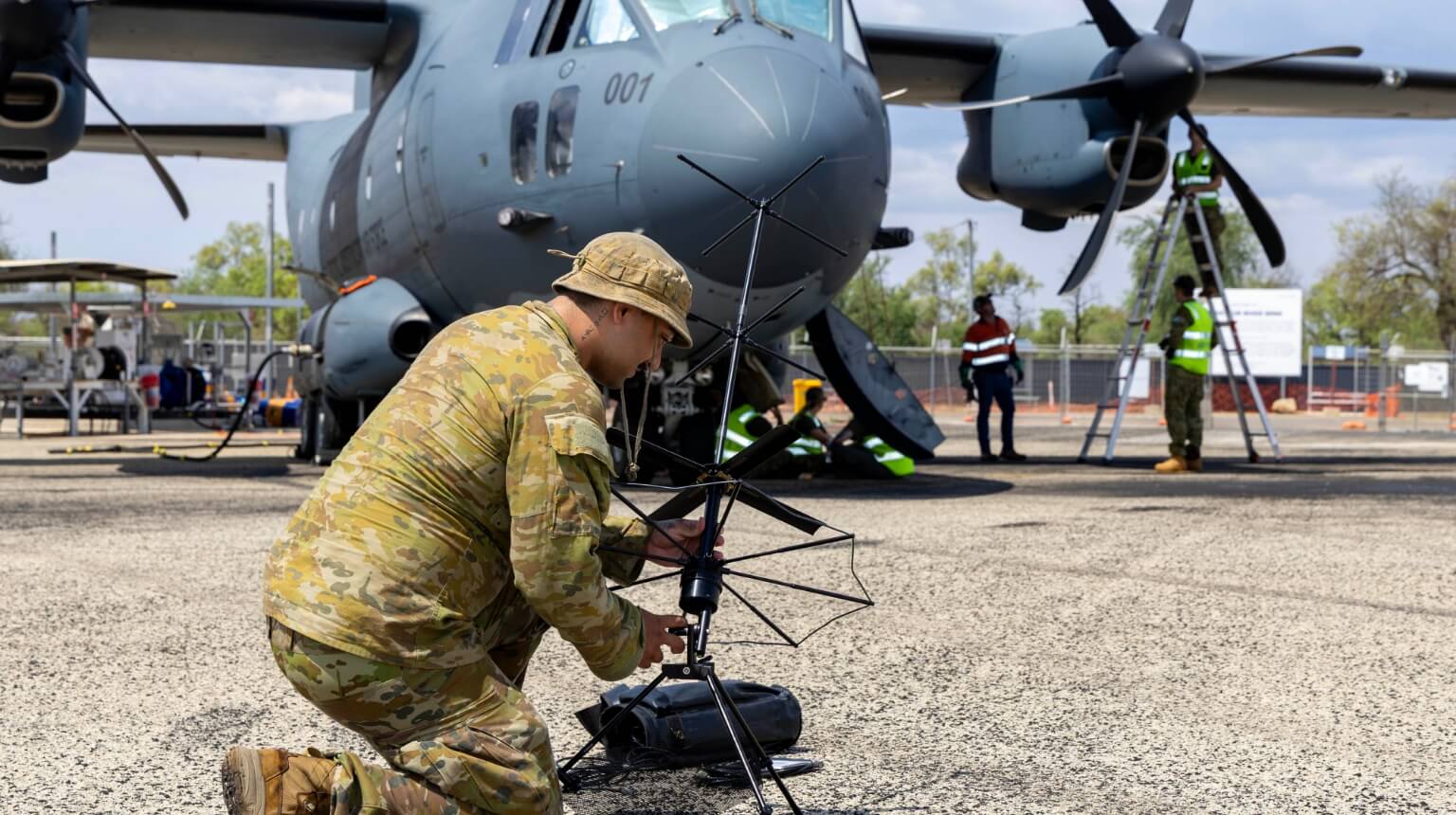
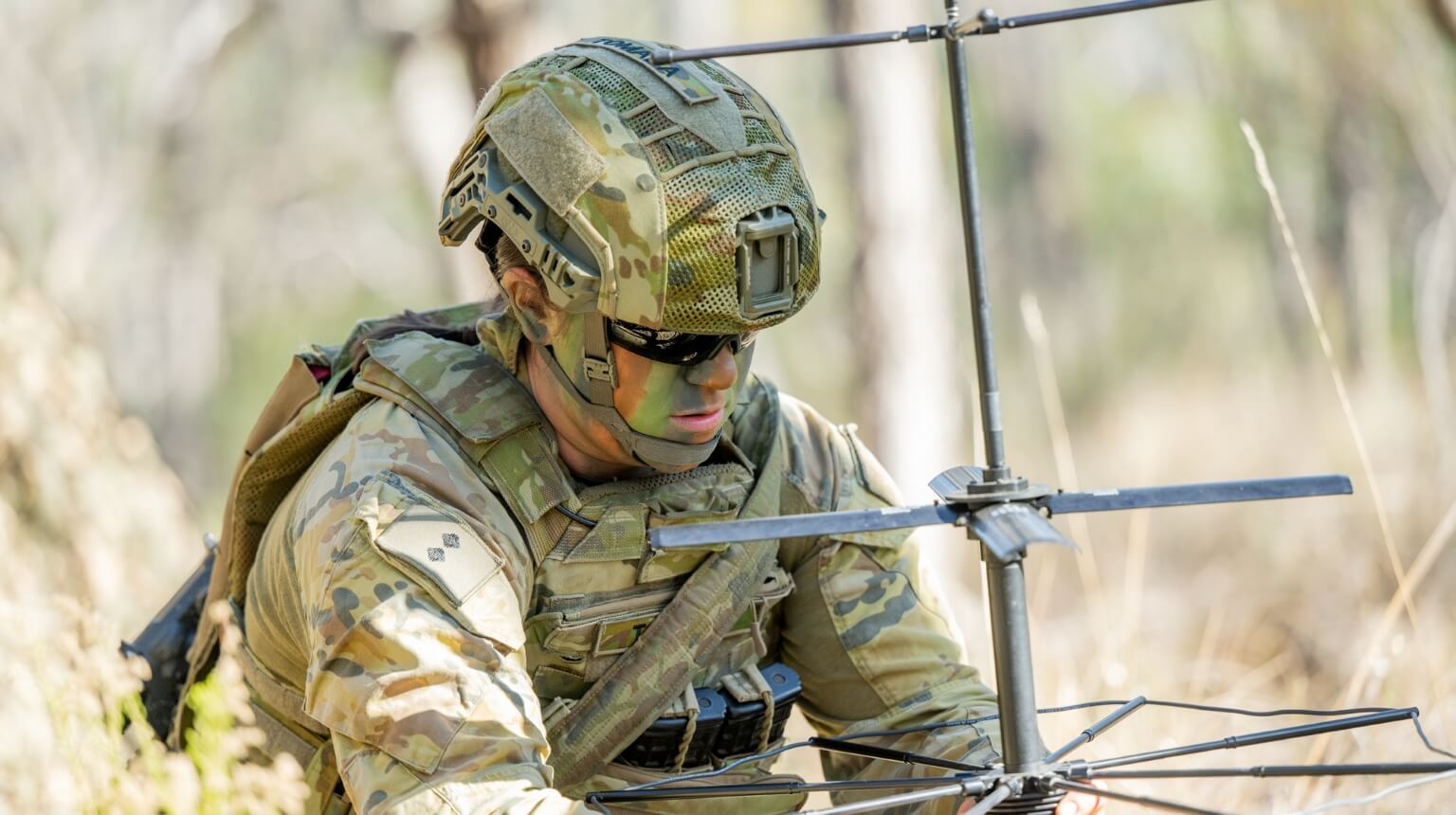
Equally important is the ground segment – the often-overlooked network of terminals, antennas and data processing hubs that make SATCOM function. These must be hardened against cyber attack, electromagnetic interference and physical disruption.
They should be distributed across multiple sites, including secure facilities in northern Australia, to ensure redundancy and resilience. Integration with existing Defence networks and with commercial and allied systems must be seamless but governed by Australian operational authority.
Sovereign SATCOM also has a critical role in supporting whole-of-government and regional operations. Humanitarian assistance and disaster relief missions, maritime domain awareness and crisis response all depend on rapid communication and coordination across civilian and military actors.
A sovereign satellite network ensures that Defence can provide secure bandwidth and situational awareness not only for itself but as part of a broader national and regional response framework.
Ultimately, sovereign satellite communications are not just an enabler of joint operations – they are the nervous system of the modern ADF. Without them, integrated force design remains a theory; with them, Australia gains the ability to sense, decide and act at the speed of relevance.
In an era where information dominance defines victory and where the first battle may be fought in orbit, Australia’s control over its communications architecture is both a strategic necessity and a symbol of national sovereignty.
The development of sovereign SATCOM capability is, therefore, not simply a technological project. It is a statement of intent that Australia will no longer outsource the arteries of its defence power. It is about ensuring that in the moments that matter most, when decisions are made in seconds and communication is life or death, the ADF speaks with its own voice, over its own systems, on its own terms.