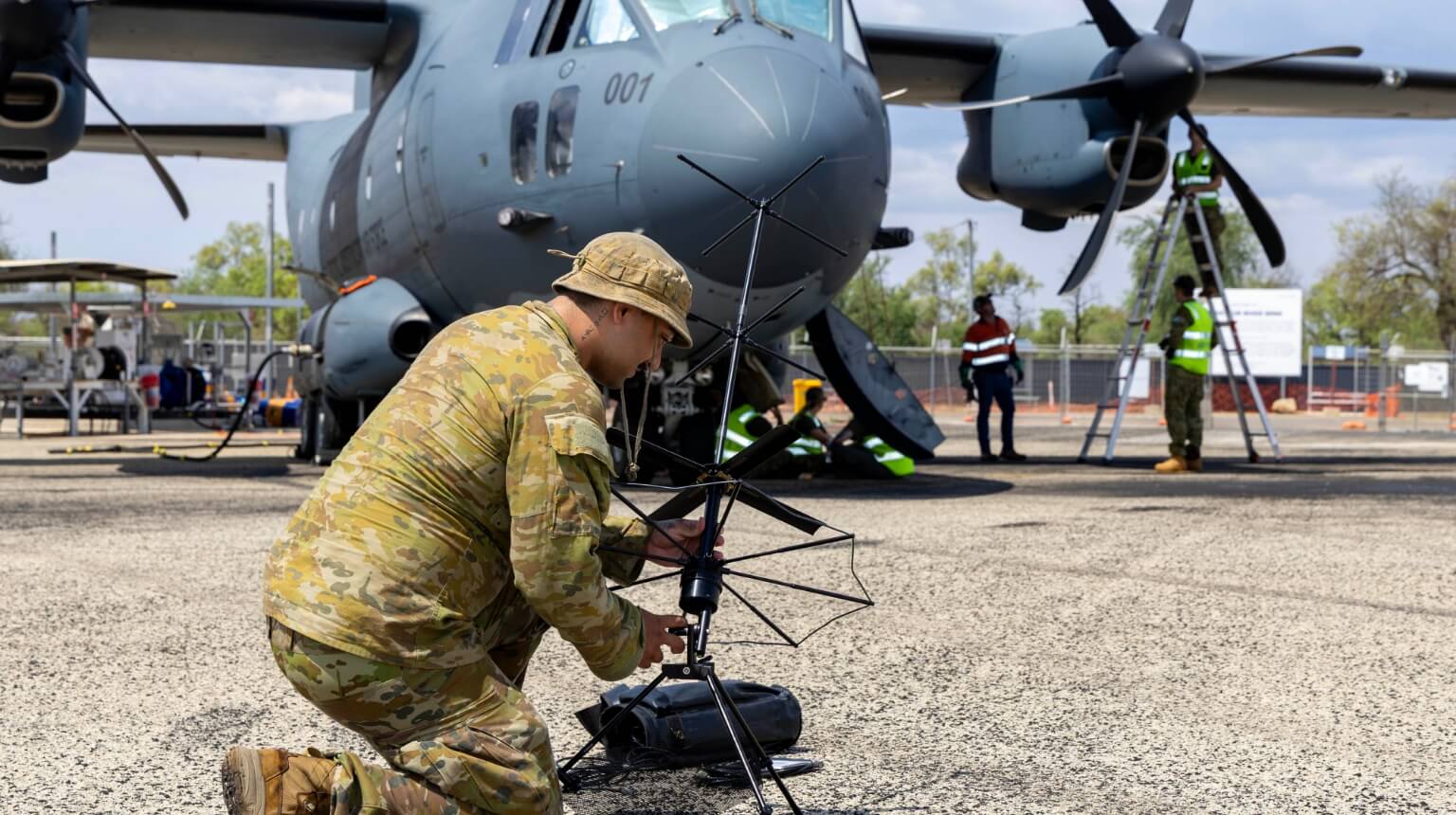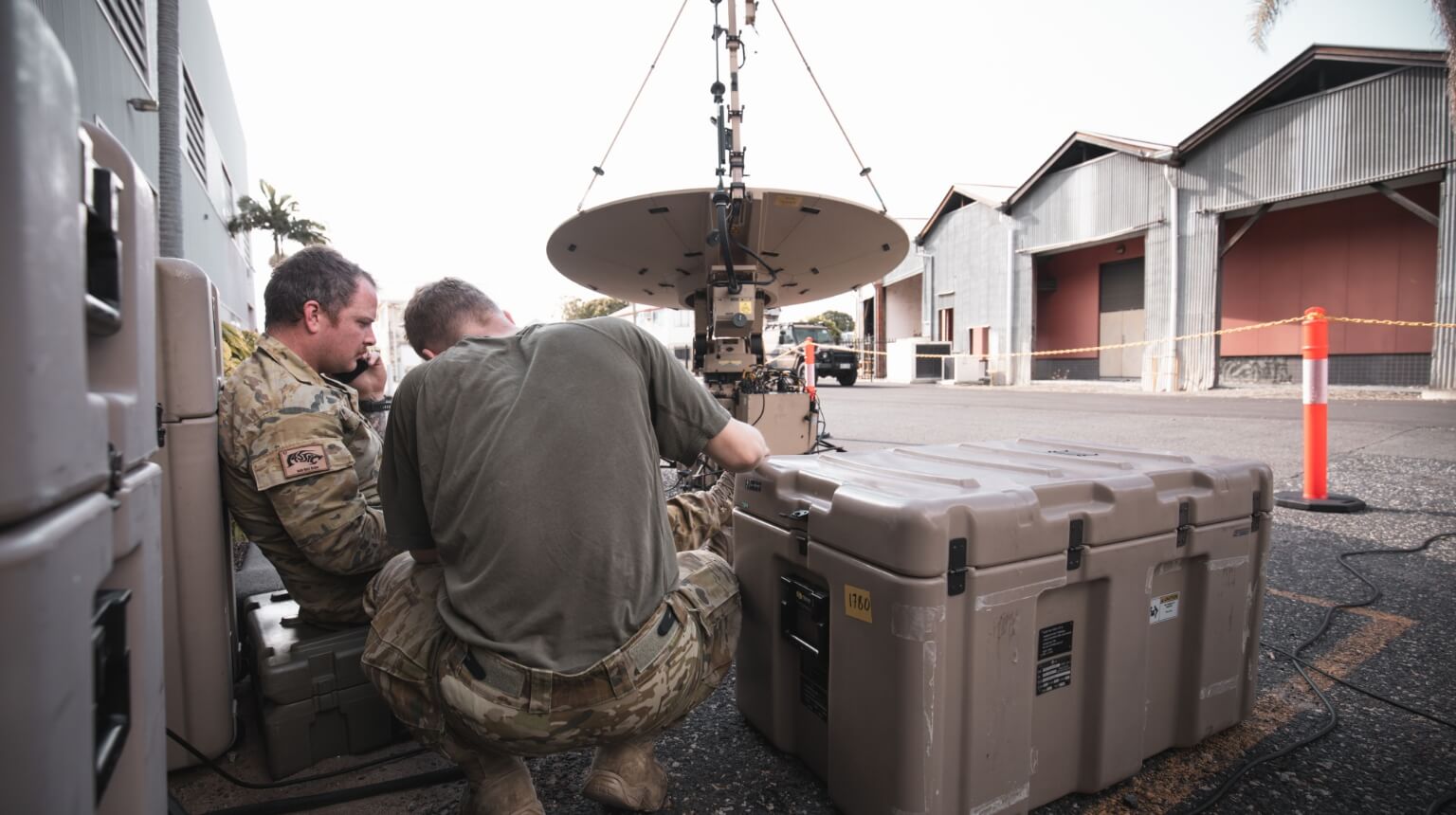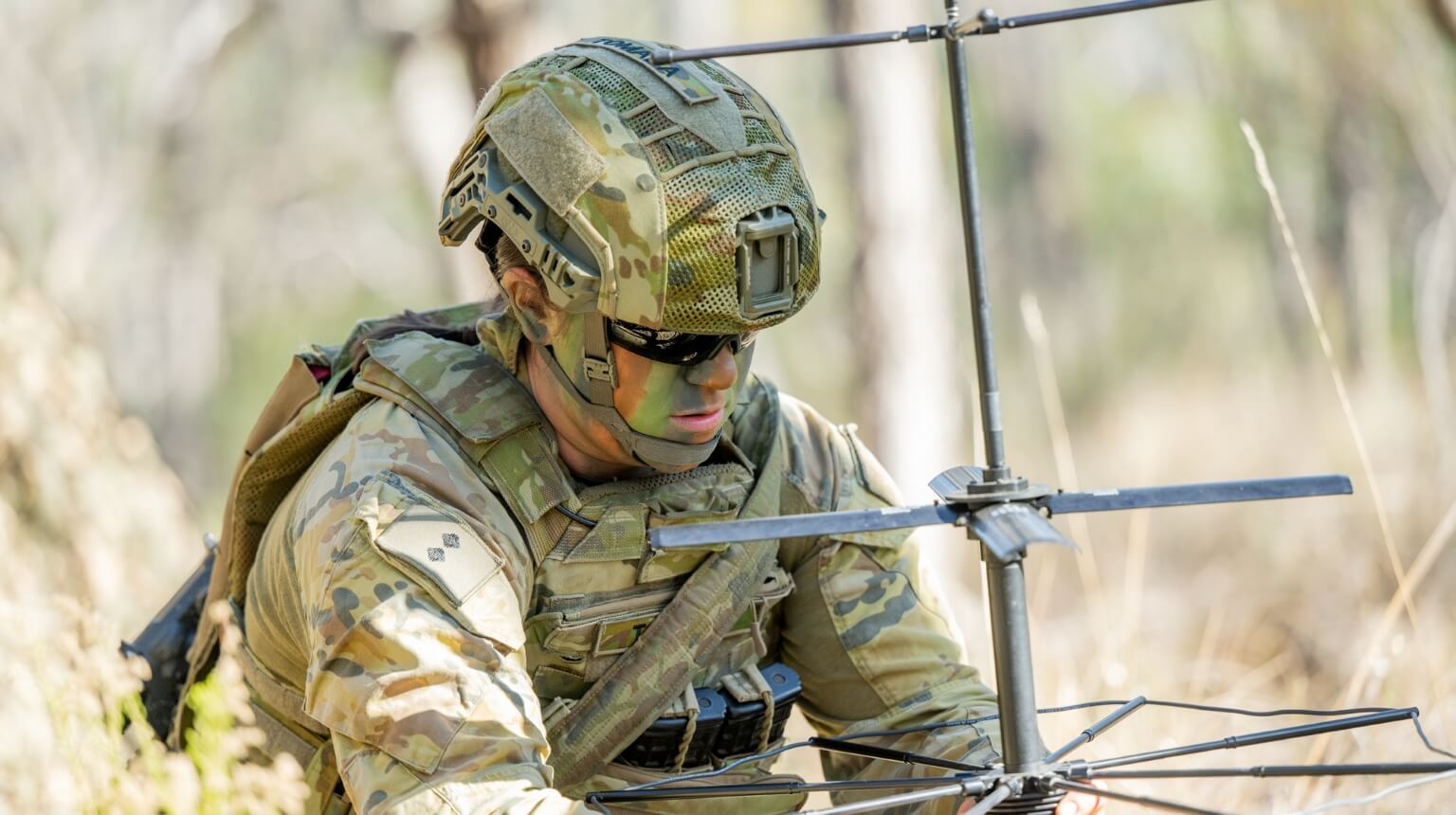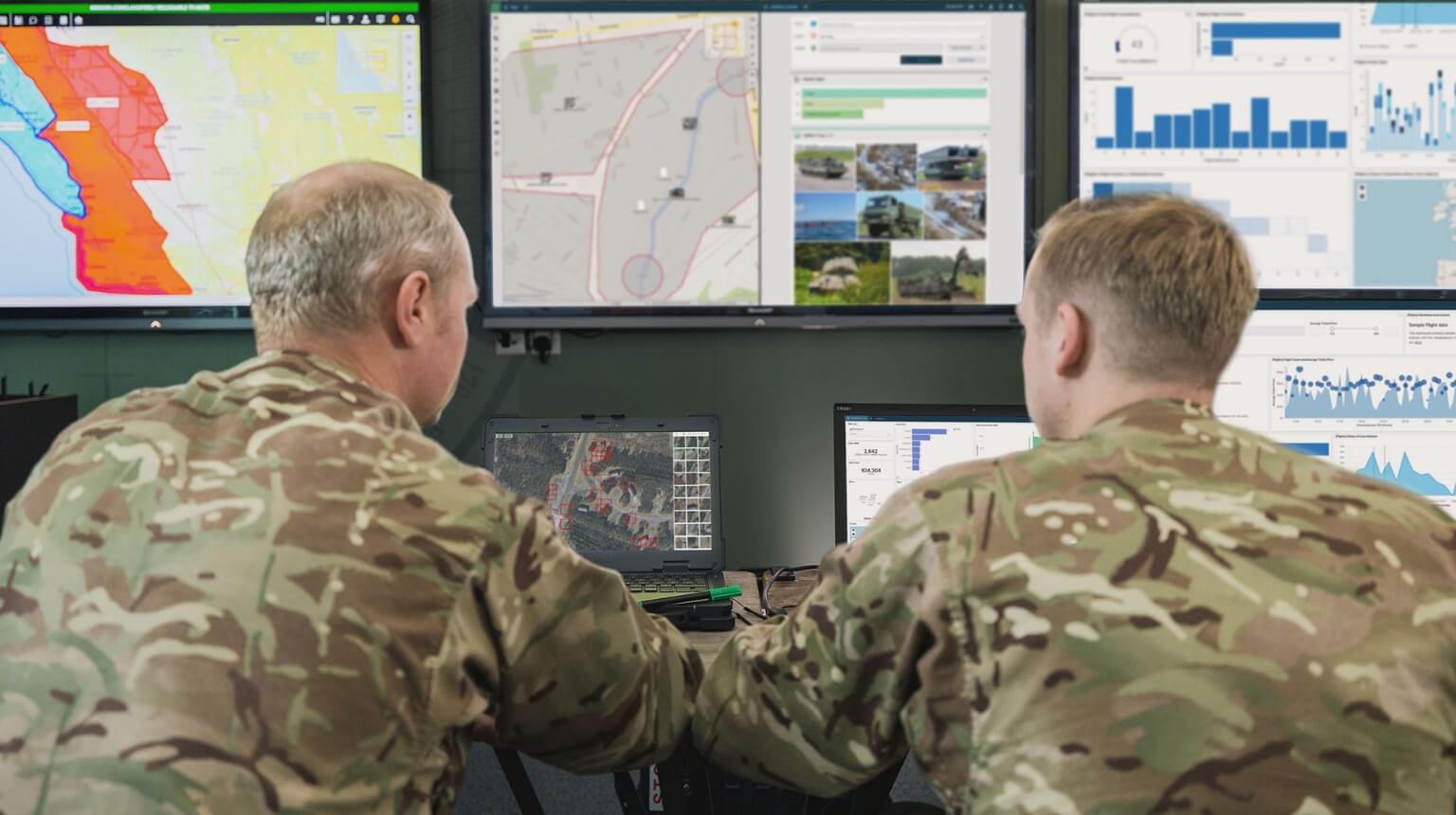



Central to achieving this is Defence’s ability to harness trusted, capable and forward-looking strategic industry partners who can integrate technologies, drive cultural change and sustain digital readiness across the five warfighting domains: land, sea, air, space and cyber.
From disparate to integrated
For decades, Defence’s information and communications technology environment has been fragmented with disparate systems, bespoke applications and siloed data. This type of complexity can hinder agility and interoperability across domains. As DXC Technology’s Defence team notes, the shift from standalone environments to a unified digital integrated and composable architecture requires both a technological and cultural reset.
The Defence Digital Group, formerly the Chief Information Officer Group, is now leading a strategic pivot that places digital transformation at the heart of Defence capability. Its “cloud-only” strategy, incorporating secret and protected environments, represents a critical milestone in building the foundations of a genuinely integrated force. Yet no single entity can achieve this transformation alone. Defence must rely on strategic partners capable of integrating diverse technologies, modernising applications and ensuring sovereign control of sensitive data.
Why trusted industry partners matter
A focused and integrated force cannot exist without reliable, innovative, and security-vetted partners. Defence’s digital ecosystem depends on industry integrators who can bridge commercial innovation and sovereign requirements. DXC, for example, brings decades of experience as a systems integrator capable of linking cloud, data and AI-driven systems into existing Defence environments.
These partnerships are more than transactional. They provide enduring capability uplift by transferring knowledge, embedding agile methodologies and ensuring Defence’s digital systems remain resilient and secure. Industry partners like DXC enable Defence to transition from monolithic, static systems to adaptive, data-driven architectures that evolve at the pace of technological change.
Industry partners like DXC enable Defence to transition from monolithic, static systems to adaptive, data-driven architectures that evolve at the pace of technological change.”
Managing complexity through modernisation
The challenge is not simply adopting new technologies but modernising how Defence develops, deploys and sustains them. DXC’s Precision Guided Modernisation framework provides one model assessing Defence’s digital landscape, rationalising redundant applications and migrating workloads into cloud-native environments.
This approach recognises that Defence’s digital transformation is not a single project but an ongoing process of maturity. The framework’s structured methodology of discovery, analysis, migration and optimisation ensures that modernisation delivers measurable outcomes, including reduced total cost of ownership, enhanced interoperability and faster deployment of new capabilities.
Crucially, industry partners bring the tools and experience to de-risk transformation. They leverage global best practice and automation including AI-enabled modernisation to accelerate software redevelopment, improve system assurance and reduce downtime. In an environment where legacy code and ageing systems remain widespread, these capabilities are indispensable.
The human and cultural dimension
The rate of digital change is now outpacing organisational decision making. Developers can implement solutions faster than requirements can be agreed, underscoring the need for a cultural shift towards agile, collaborative and outcomes-focused delivery.
Strategic partners play a key role in this human dimension of transformation. They bring experience from global programs where Defence organisations have already confronted similar challenges. By embedding integrated teams, mentoring Defence personnel and co-developing digital capabilities, these partnerships accelerate both technical and cultural adaptation.
Building for the edge
Emerging technologies such as artificial intelligence, autonomous systems and edge computing will define the next generation of Defence capability. AI-enabled decision support and real-time data processing, akin to modern automotive safety systems that process information on the vehicle itself, are increasingly essential for warfighters operating in contested environments.
Reliable partners ensure that Defence’s digital backbone extends to the tactical edge. This includes developing mesh networks capable of operating in disconnected or denied environments, ensuring cloud-based systems can reroute around disruptions, and embedding high-performance computing at the platform level. Such resilience cannot be improvised; it must be engineered through deliberate, long-term collaboration between Defence and trusted industry partners.
Maintaining sovereignty and security
As digital transformation advances, data sovereignty becomes as critical as kinetic capability. The vast quantities of information collected by platforms like the F-35, Hobart Class destroyers, and MQ-4C Triton must be securely stored, processed and analysed within sovereign frameworks. Strategic partners with established Australian security credentials are essential to achieving this.
Equally, the looming advent of quantum computing poses future threats to encryption and secure communications. Defence cannot afford to wait until those challenges materialise; it must work now with trusted partners to modernise systems and prepare for post-quantum security architectures.
Delivering the integrated and focused force
Australia’s defence transformation is as much about trust and partnership as it is about technology. The integrated and focused force envisioned by the National Defence Strategy will only succeed if Defence cultivates enduring, transparent relationships with partners that understand the mission, operate securely within national frameworks and can deliver at pace.
Ultimately, reliable industry partnerships are the foundation upon which Defence’s digital transformation and by extension, its operational effectiveness will stand. By aligning innovation, sovereignty and cultural transformation, these partnerships ensure that Australia’s warfighters have the digital advantage they need to deter, defend and prevail in an increasingly contested strategic environment.