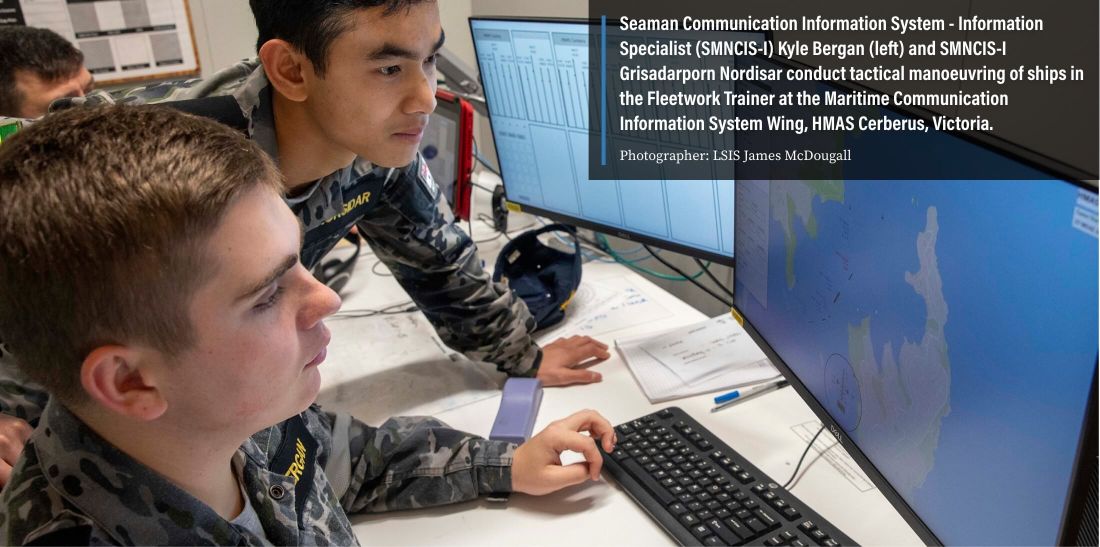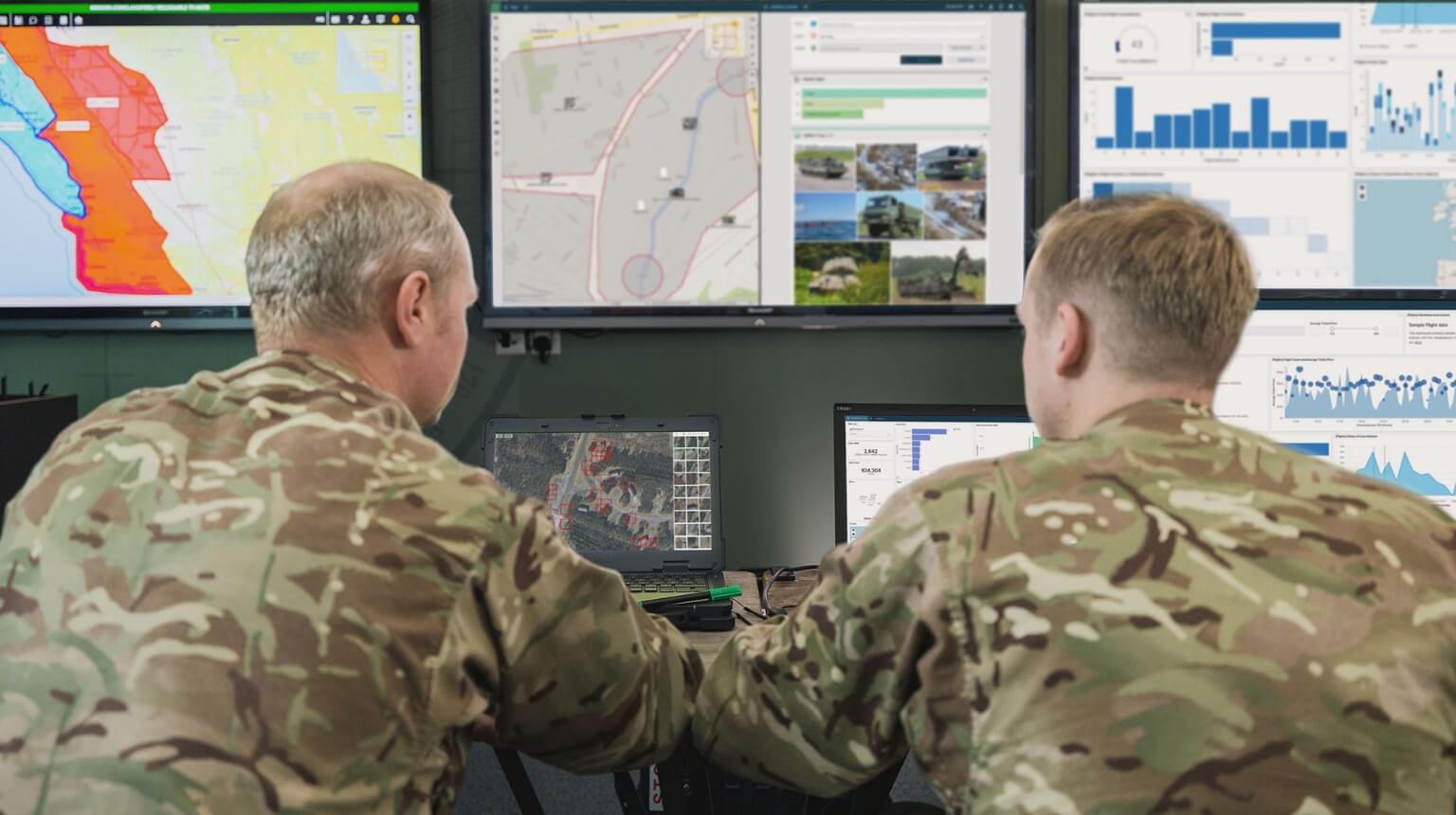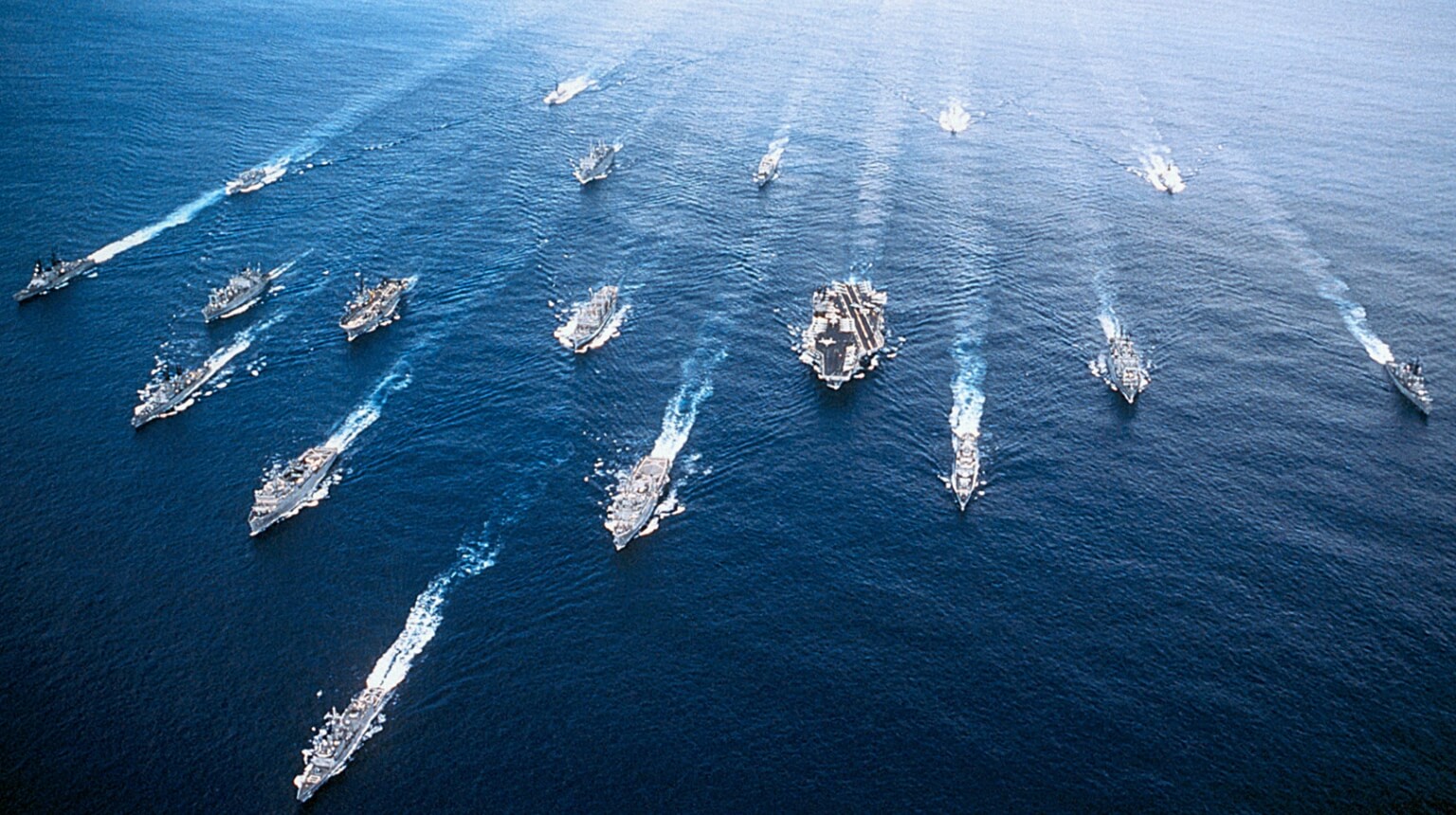


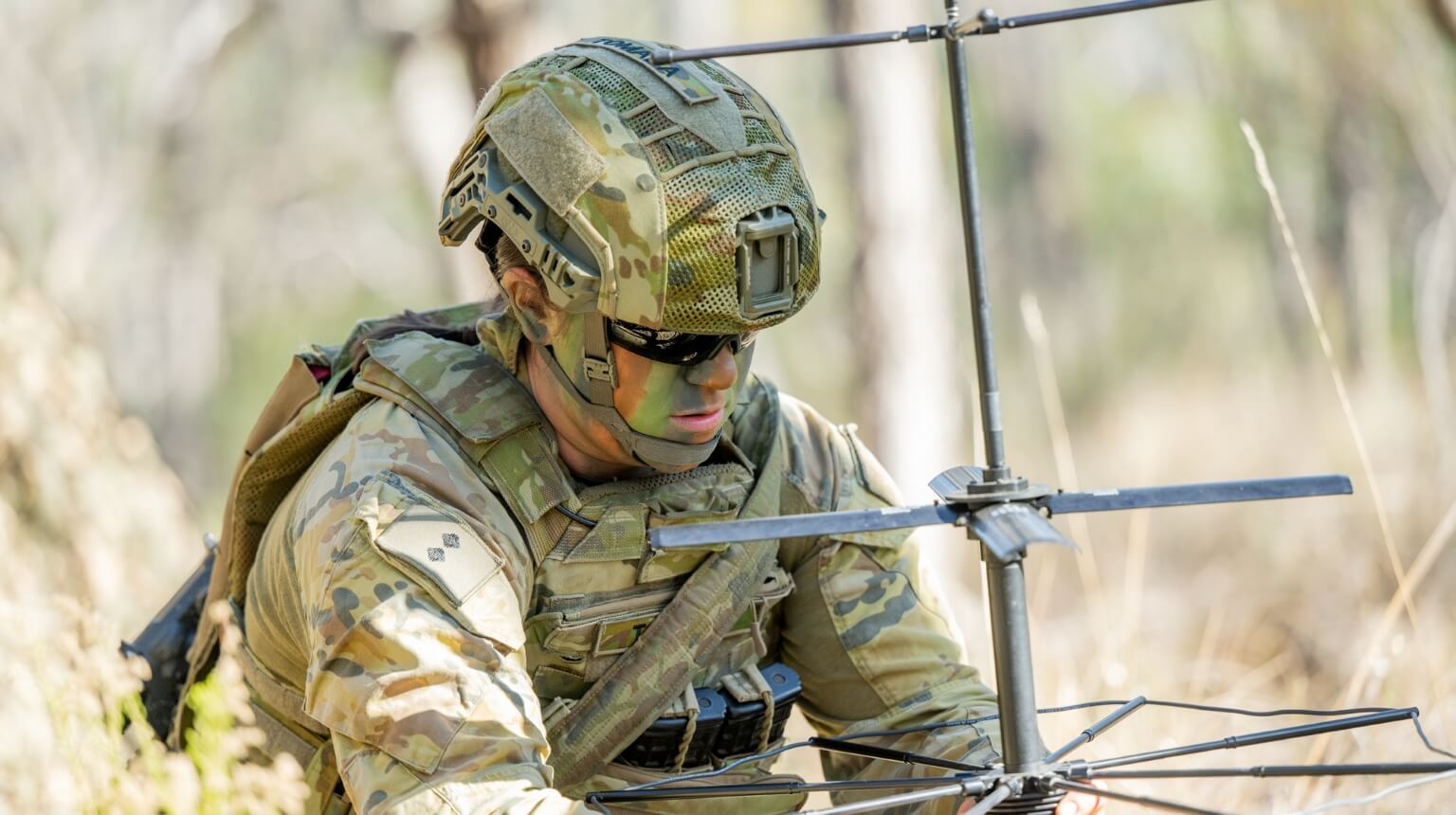
Nowhere is this more evident than in the Indo-Pacific, a region of growing strategic volatility, contested influence and technological competition. For Australia, whose security and prosperity depend on stability across these waters, secure and guaranteed communications are not merely a technical requirement – they are a matter of national survival.
Modern conflict is no longer fought solely with ships, tanks or aircraft. It is fought in the electromagnetic spectrum, the cyber domain and in the battle for information dominance. Every sensor, every shooter and every decision maker relies on uninterrupted data flow to see, understand and act faster than an adversary.
In this context, communications are the nervous system of national defence and security operations. If that system is compromised, paralysed or manipulated, the rest of the body, no matter how powerful, cannot function.
The Indo-Pacific’s vast geography and dynamic threat environment make secure communications particularly critical. Stretching from the eastern Indian Ocean through south-east Asia and into the Western Pacific, the region is defined by vast distances, dispersed island chains and congested maritime routes.
Australia’s forces must operate across thousands of kilometres, often far from established infrastructure, in environments where adversaries actively seek to disrupt, deceive or deny access to communications networks.
The challenge is compounded by the growing sophistication of grey zone activities and hybrid warfare. State and non-state actors are increasingly targeting information systems to shape perceptions, interfere with decision making and erode trust in institutions long before a shot is fired.
Cyber intrusions, satellite jamming and electromagnetic interference have become tools of statecraft. In such an environment, Australia’s defence and national security apparatus must be built on communications that are not only secure but also guaranteed resilient against disruption and assured under all conditions.
For the Australian Defence Force, secure communications underpin the very concept of the integrated joint force. The Defence Strategic Review’s emphasis on jointness and speed of decision making demands a seamless flow of information between the services – Army, Navy, Air Force, Space and Cyber – as well as across government and with key allies.
Whether it is a submarine relaying targeting data, an F-35 sharing sensor feeds with a naval task group or Army units coordinating precision fires with space-based intelligence, surveillance and reconnaissance assets, the common denominator is trusted, real-time communication. Without it, integration collapses into confusion.
Beyond the tactical and operational levels, secure communications are the connective tissue between Defence, national intelligence and civil authorities. They enable coordinated responses to crises, from humanitarian assistance and disaster relief to cyber incidents and regional contingencies.
In a time of crisis, Australia’s National Security Committee, Defence headquarters and deployed forces must have absolute confidence that their communications are protected from compromise and cannot be interrupted.
Achieving this level of assurance requires layered resilience, from sovereign satellite systems to hardened ground infrastructure, from encrypted networks to redundant pathways through undersea cables and terrestrial radio systems.
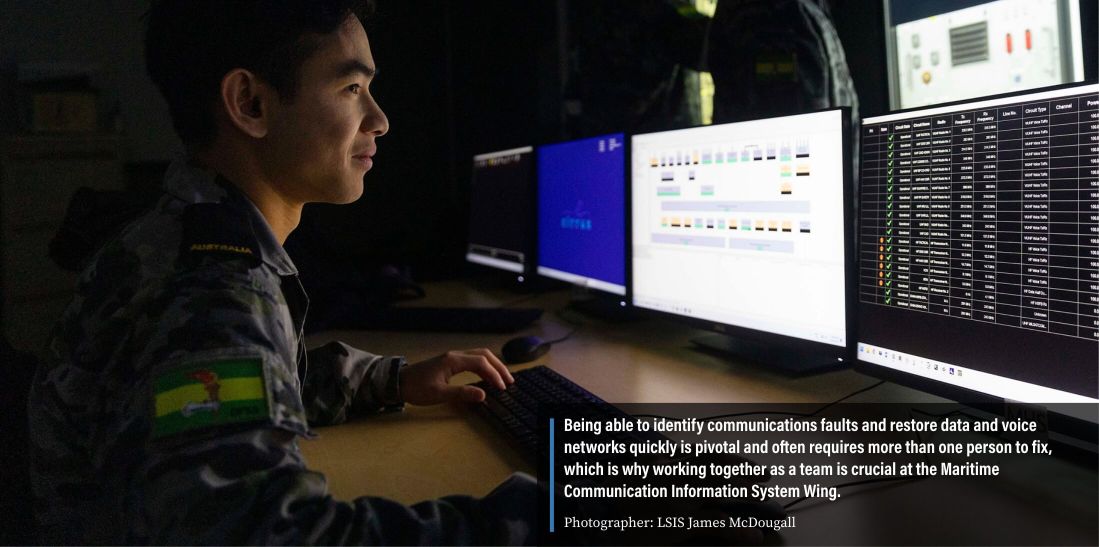
No single system can be relied upon. The principle must be redundancy, diversity and control.
Sovereignty in communications capability is central to this. Australia’s reliance on foreign-owned satellite networks, cloud infrastructure and telecommunications links introduces inherent vulnerabilities.
While close cooperation with allies, particularly the United States and the Five Eyes community, remains essential, Australia must ensure it retains independent control over the communications systems that underpin its national decision making and military command.
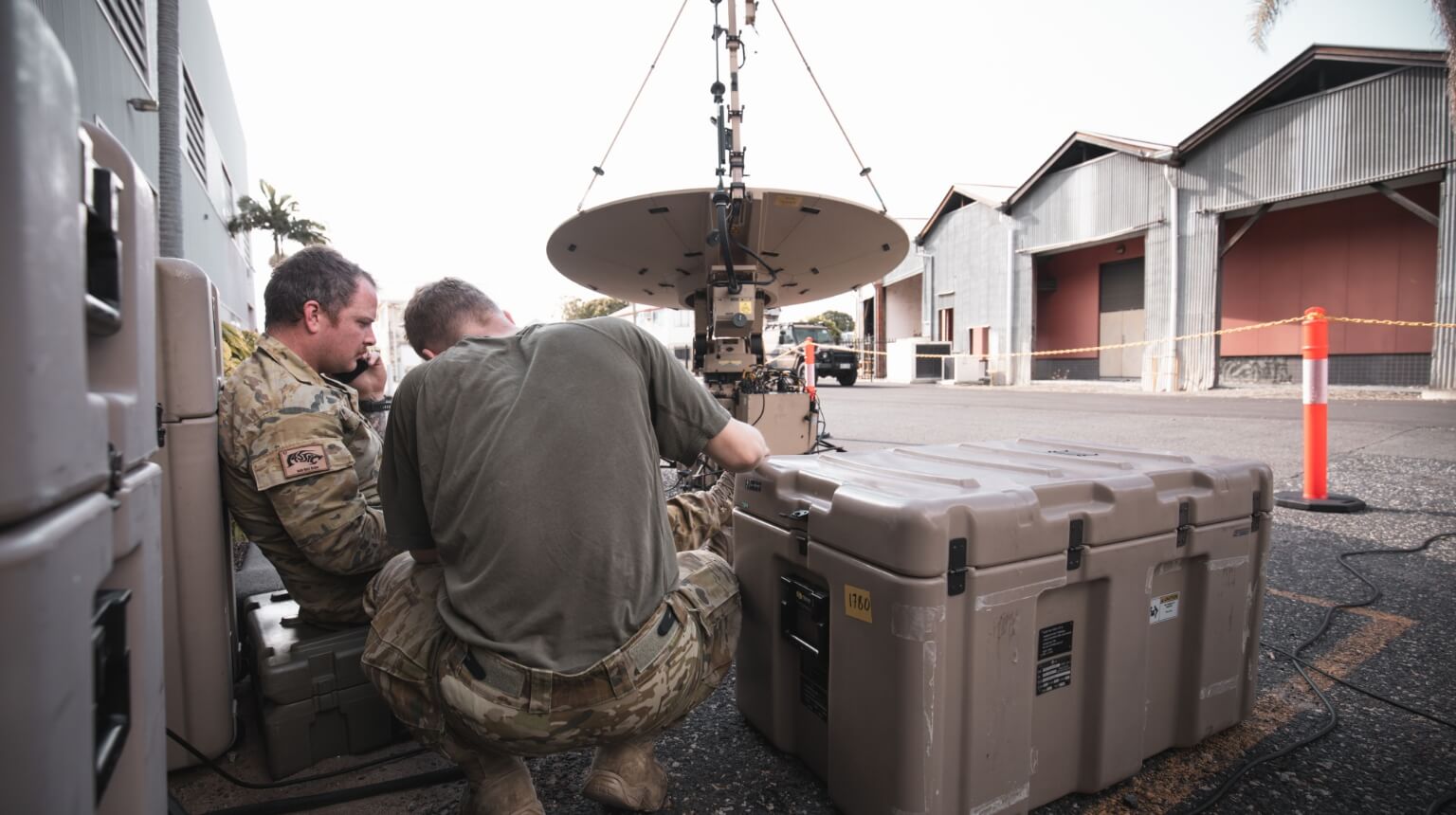
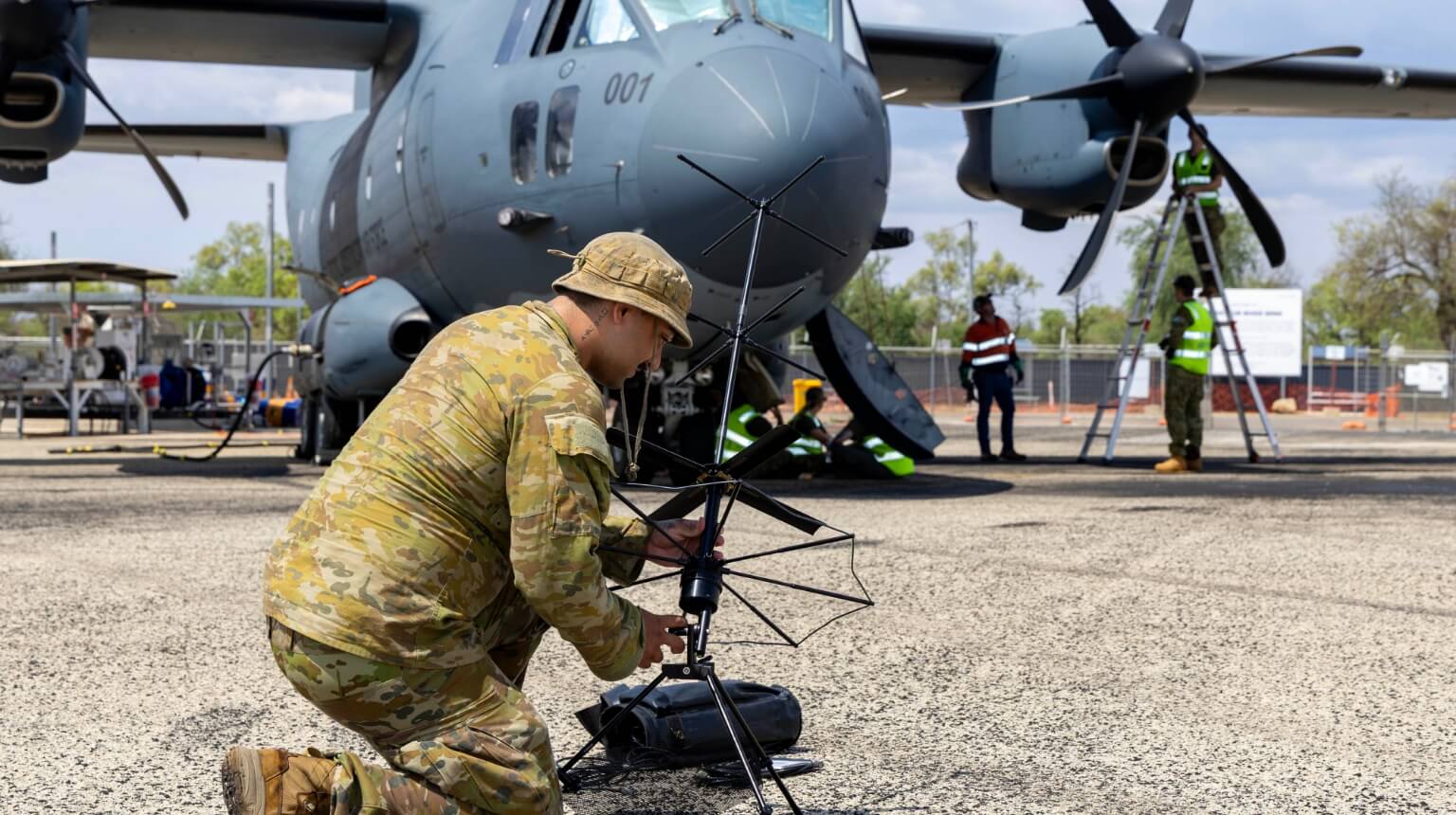
Investments in sovereign satellite communications, cyber defence and secure data networks are therefore not just about technology – they are about national autonomy. Australian-operated satellite constellations, secure ground stations in northern Australia and resilient terrestrial networks provide assurance that the nation can continue to command, control and coordinate its forces even in a degraded or denied environment.
The need for secure and guaranteed communications also extends to the civil domain. Australia’s critical infrastructure, emergency services and economic systems are deeply interlinked with digital and communications networks. In a major crisis or conflict, the same networks that carry civilian data may become contested or targeted.
Defence must therefore be prepared to provide assured communications not only for military operations but also in support of whole-of-nation resilience. Ensuring interoperability between Defence and civil communications systems while maintaining strict security will be key to sustaining national functionality under pressure.
Regionally, Australia’s ability to offer secure communications capability can serve as a stabilising influence.
As Canberra deepens defence and security partnerships across south-east Asia and the Pacific, the provision of resilient, trusted communications infrastructure can become a powerful tool of engagement.
Shared situational awareness, maritime domain monitoring and crisis coordination all depend on reliable data sharing. By helping partners build their own secure networks, Australia strengthens regional resilience and undercuts opportunities for coercive interference by external powers.
However, secure communications are not merely about encryption and satellites; they are about trust – trust in systems, in people and in governance. The human factor remains critical. Operational security, disciplined use of classified networks and awareness of social engineering threats all contribute to the overall integrity of communications.
Secure communications are not merely about encryption and satellites; they are about trust – trust in systems, in people and in governance.”
Even the most advanced system can be undermined by complacency or insider compromise. Building a culture of communications security where every operator understands their role in protecting the network is as vital as the technology itself.
In the Indo-Pacific century, Australia’s security will depend as much on the strength of its networks as on the size of its fleet or the range of its missiles.
Secure and guaranteed communications form the foundation of deterrence by ensuring that Australia can see clearly, decide swiftly and act decisively even in the face of disruption. They give the ADF the confidence to operate in contested spaces, the government the assurance to command under pressure, and the nation the means to stay connected when it matters most.
In the end, secure communications are more than a capability, they are a statement of sovereignty, readiness and trust. They are the invisible architecture of power that ensures Australia’s voice cannot be silenced, its hand cannot be stayed and its will cannot be broken, no matter how contested the region becomes.