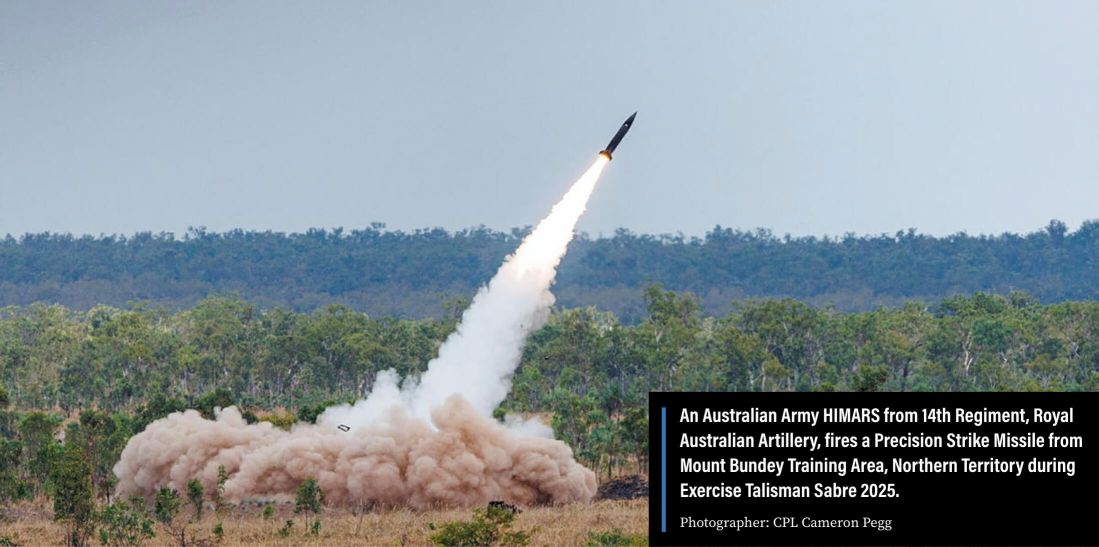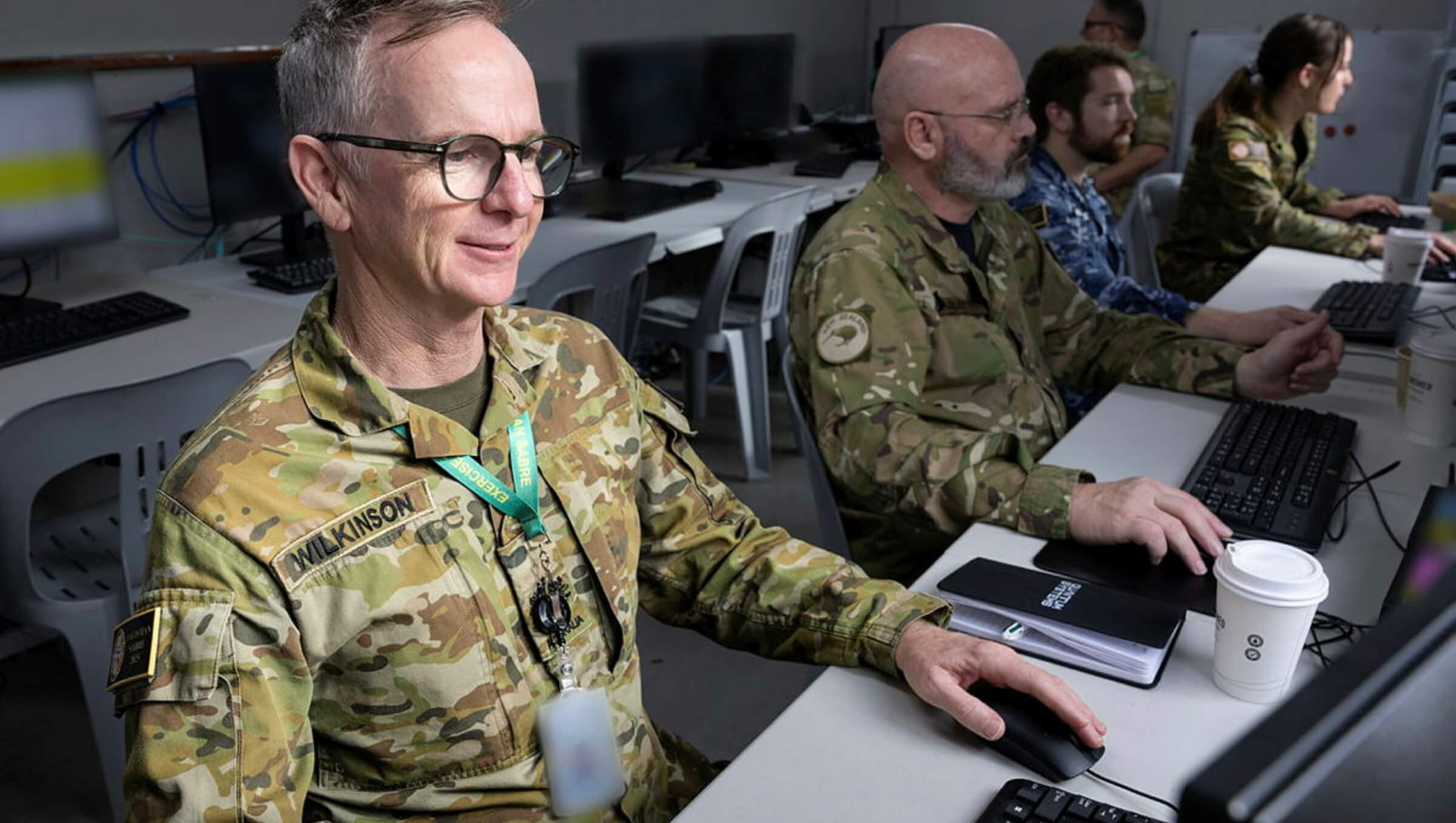


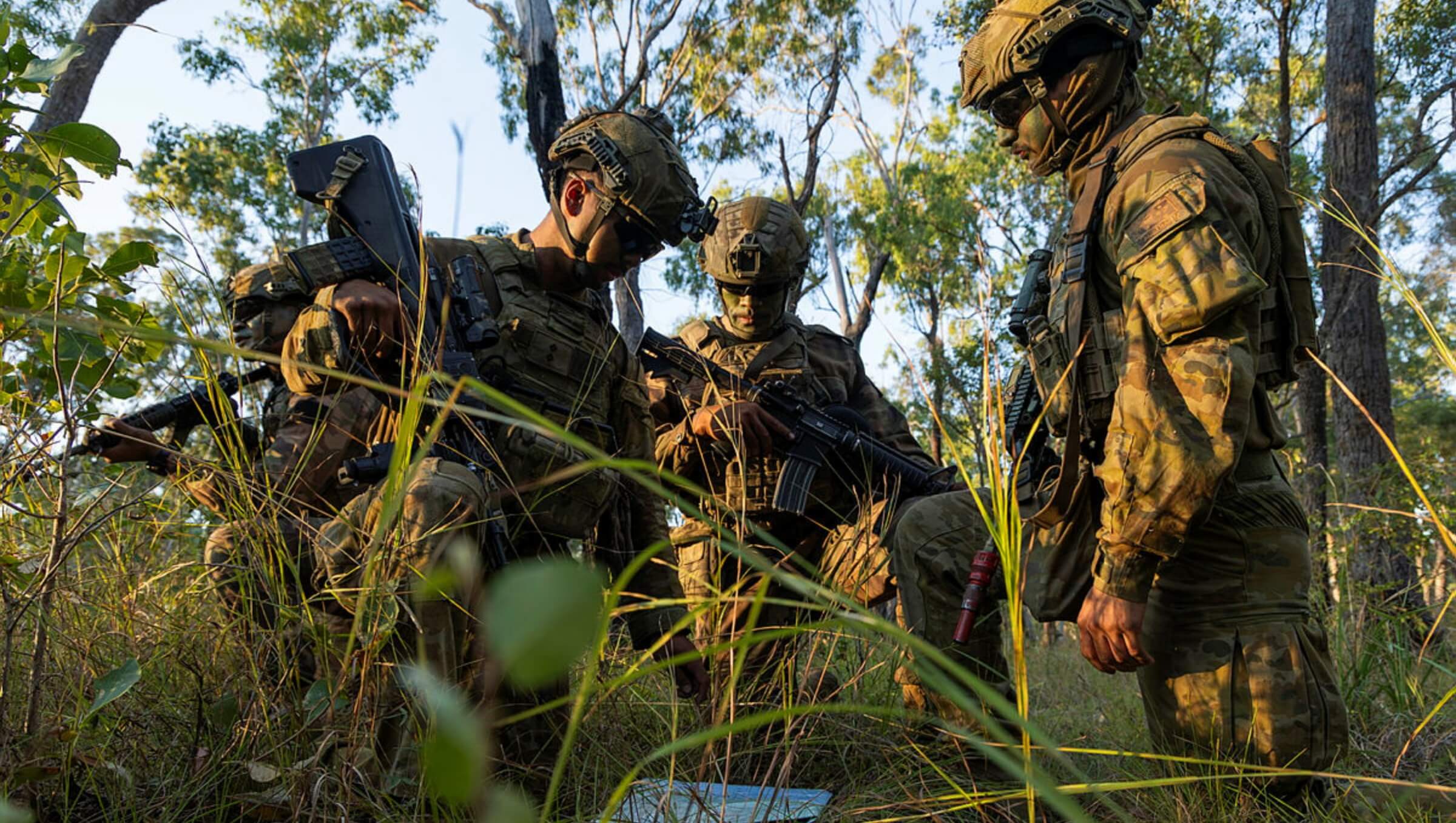
This successful live-fire engagement, conducted by personnel from the 16th Regiment, Royal Australian Artillery, during Exercise Talisman Sabre 2025, is far more than a test of equipment. It is a demonstration of how integrated training, joint force coordination and realistic combat scenarios are forging a modern Australian Defence Force capable of deterring and defeating a peer adversary.
For Gunner Seth Allen of 111 Battery, the opportunity to conduct a live-fire mission has been a defining moment. “Honestly, it’s an honour being that close,” he says, reflecting on the excitement and responsibility that comes with operating cutting-edge air defence systems.
The National Advanced Surface-to-Air Missile System forms a critical component of Australia’s integrated air and missile defence network – one that combines land-based missiles, fighter aircraft and naval systems into a layered shield against airborne threats.
Behind the launch lies a deep framework of coordination. Major Talal Moutrage, an Air Defence Artillery Fire Control officer and subject matter expert within the Air Command and Control Agency, plays a pivotal role integrating these fires into a joint air battle. “We provide the critical integration with joint partners to ensure the protection of friendly aircraft and control the effective delivery of land defensive fires,” MAJ Moutrage says. His role underscores a fundamental reality of modern warfare: no capability operates in isolation.
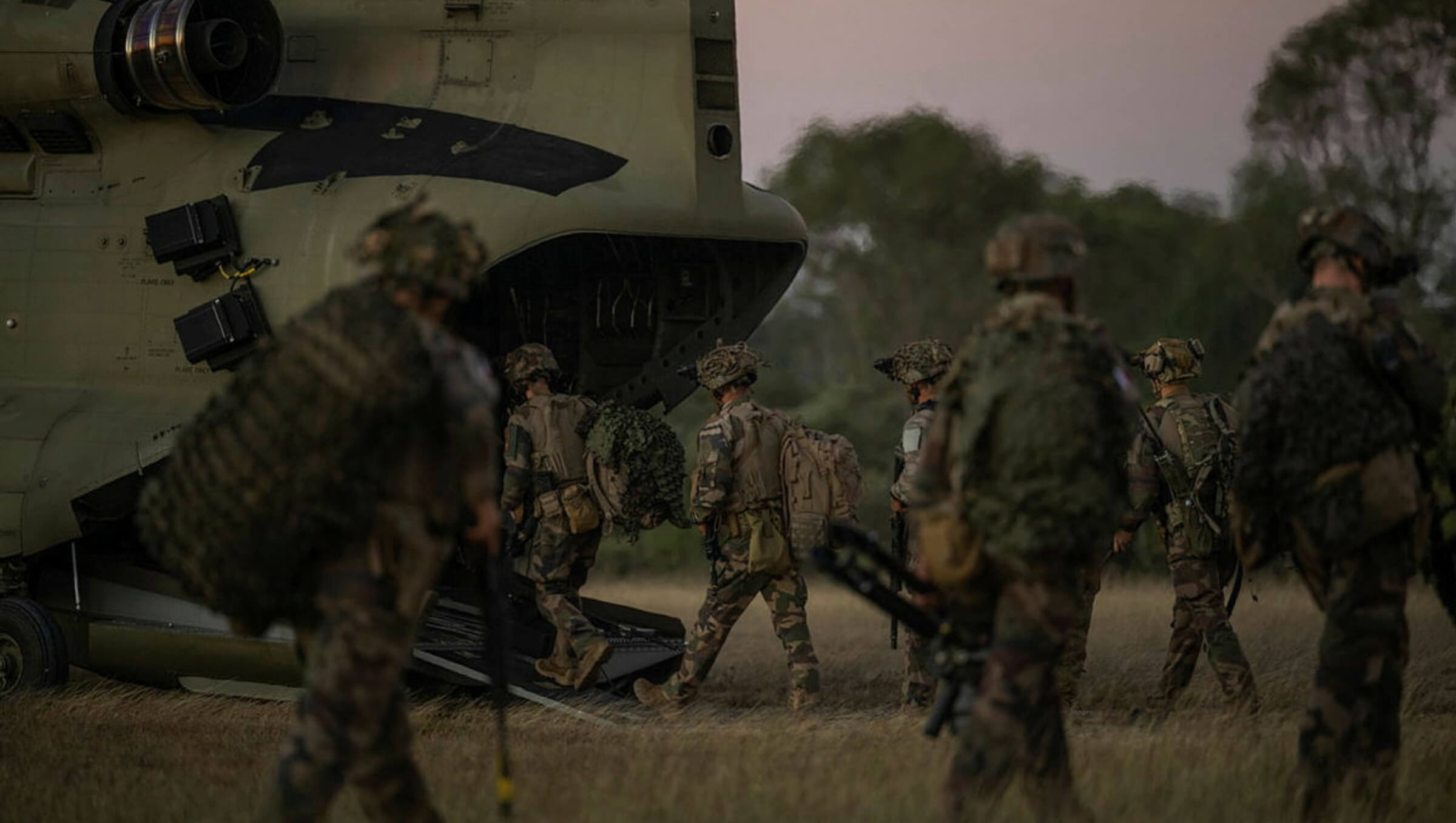
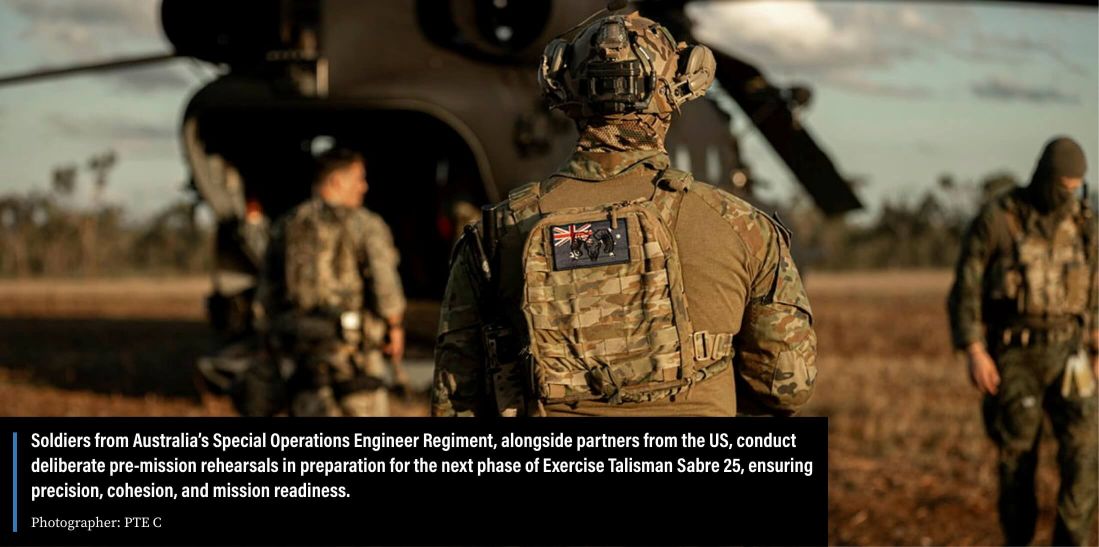
Exercise Talisman Sabre 2025, held from 13 July to 4 August, represents Australia’s largest bilateral military exercise with the United States, conducted across five Australian states and territories as well as Papua New Guinea. More than 40,000 military personnel from Australia, the US and other regional partners are participating in a high-intensity, multi-domain environment that replicates the complexity of modern conflict. In this context, exercises like Talisman Sabre are no longer just about proving capability – they are about accelerating integration and adaptation in real time.
Brigadier Andrew Moss, Commandant of the Australian Army’s Land Combat College (LCC), is at the heart of this transformation. “The real benefit to me being here on the ground is that I get to see firsthand what the end-state requirements for our collective training activities are – and what potential gaps we need to fill,” he says. “This is the Land Domain Training System in action; it is a deliberate continuation of our learning, from the schoolhouse into a realistic and complex warfighting exercise.”
This is the Land Domain Training System in action; it is a deliberate continuation of our learning, from the schoolhouse into a realistic and complex warfighting exercise.”
- Brigadier Andrew Moss
This deliberate continuum of training, underpinned by the Land Domain Training System, ensures soldiers and officers are not only prepared to fight but also to lead, adapt and win in uncertain environments. LCC, in partnership with Forces Command, injects the right training at the right time – ensuring capability is matched with readiness.
Yet the human element remains central to the Army’s evolution. BRIG Moss also serves as professional mentor to Lieutenant Colonel Andrew Raven, Commanding Officer of 8th/9th Battalion, Royal Australian Regiment – currently leading Battle Group Ram at the front line of Talisman Sabre. “The mentoring network is a really positive way to engage with our commanders in the field,” BRIG Moss says. “I see this as the Army taking hard-won experience and investing it back into their people.”
For LTCOL Raven, this mentorship is invaluable. “The mentor sits outside of the exercise and the chain of command,” he says. “It’s a voice of experience, a voice of reason and allows me to test ideas and tactics.” Importantly, mentorship is embedded at every level: lance corporals mentoring privates, sergeants mentoring corporals – creating a culture of continuous learning and professional development.
Together, these training systems, technological capabilities and mentoring frameworks represent far more than military exercises. They are the foundation of a truly integrated, multi-domain force – one that learns fast, adapts faster and can bring concentrated and coordinated effects against even the most capable adversaries.
As global competition intensifies and Australia faces a more contested strategic environment, the value of Exercise Talisman Sabre lies not just in interoperability with allies, but in preparing the nation’s armed forces for the realities of modern warfare. Through live-fire missions, adaptive training systems and empowered leadership, the Australian Army is shaping a future force built to deter, defend and decisively prevail.