






Shaping the future of Defence’s training and simulation requirements
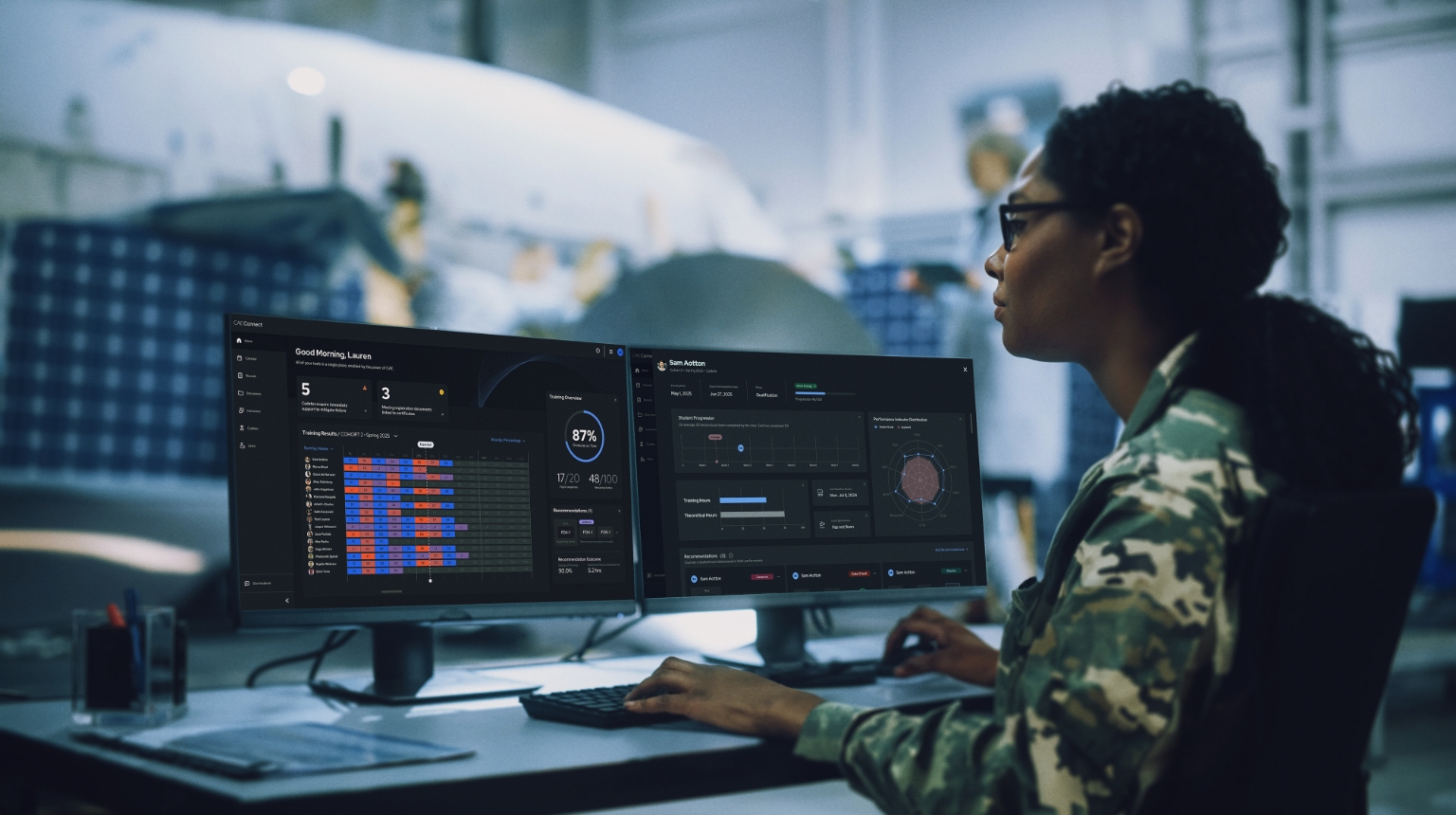
In today’s defence environment, operational readiness is no longer defined solely by the platforms we acquire or the technology we deploy. It is equally, if not more, dependent on how effectively we train the people who operate, maintain and sustain those capabilities. As the pace of technological change accelerates and potential adversaries adapt with speed, training and simulation have become critical force multipliers for modern militaries.
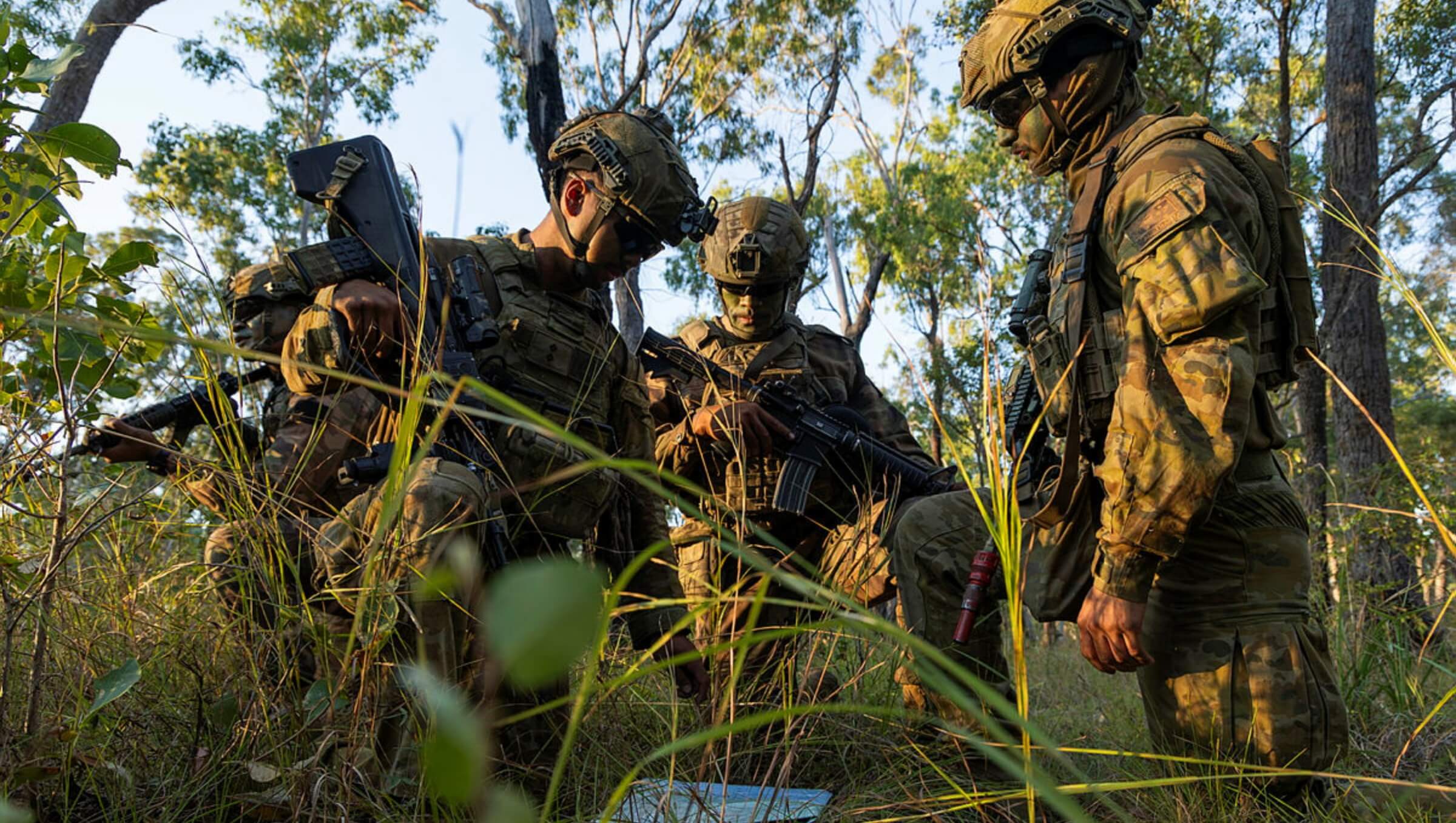
The nature of conflict is shifting. Operations are increasingly becoming multi-domain, blending land, sea, air, space and cyber into complex and often ambiguous scenarios. The stakes are high and the margin for error is narrow. This reality demands training systems that not only replicate real-world conditions but also allow personnel to rehearse missions, test responses and refine decision making without the cost, risk or time constraints of live exercises.
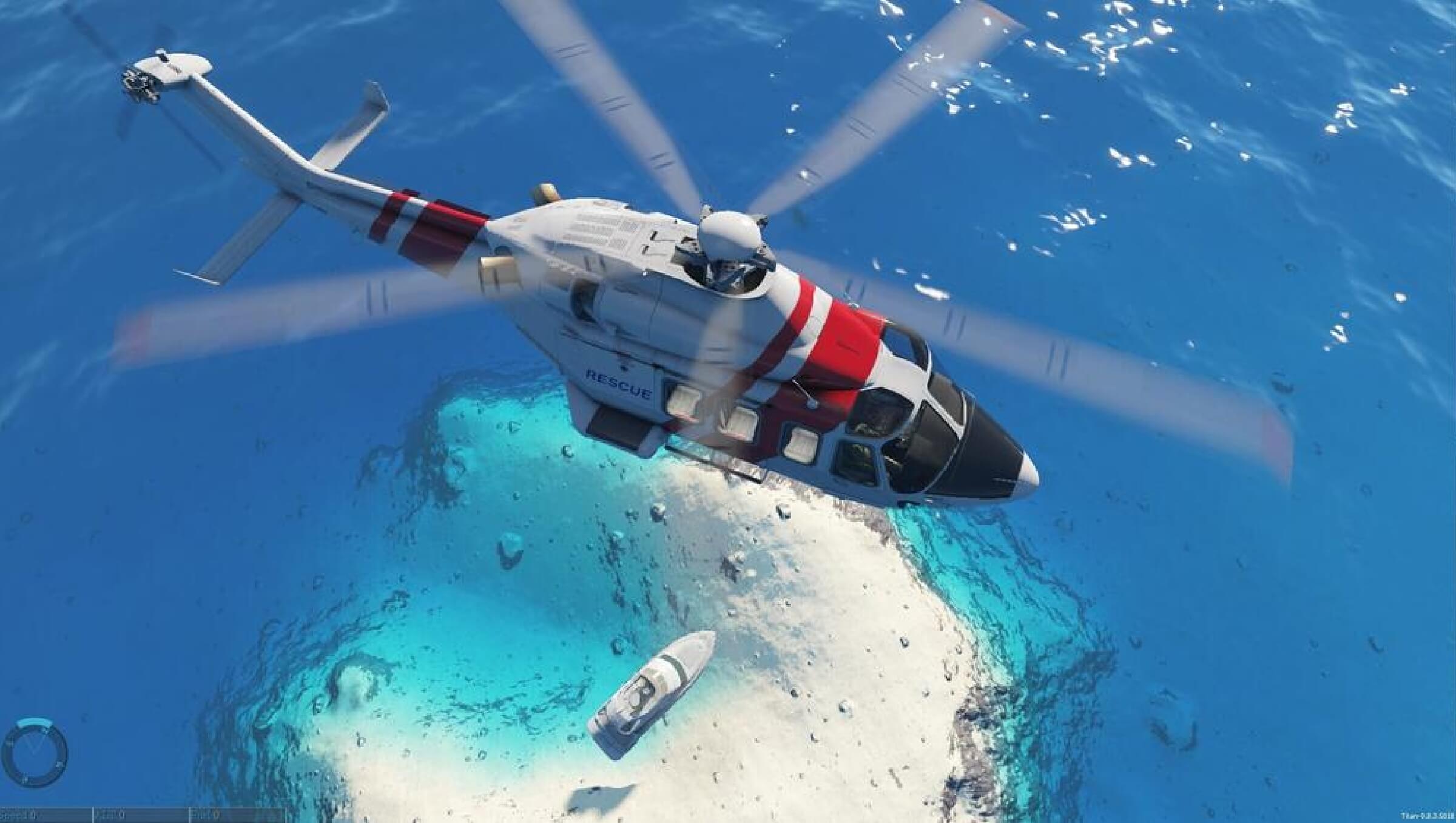
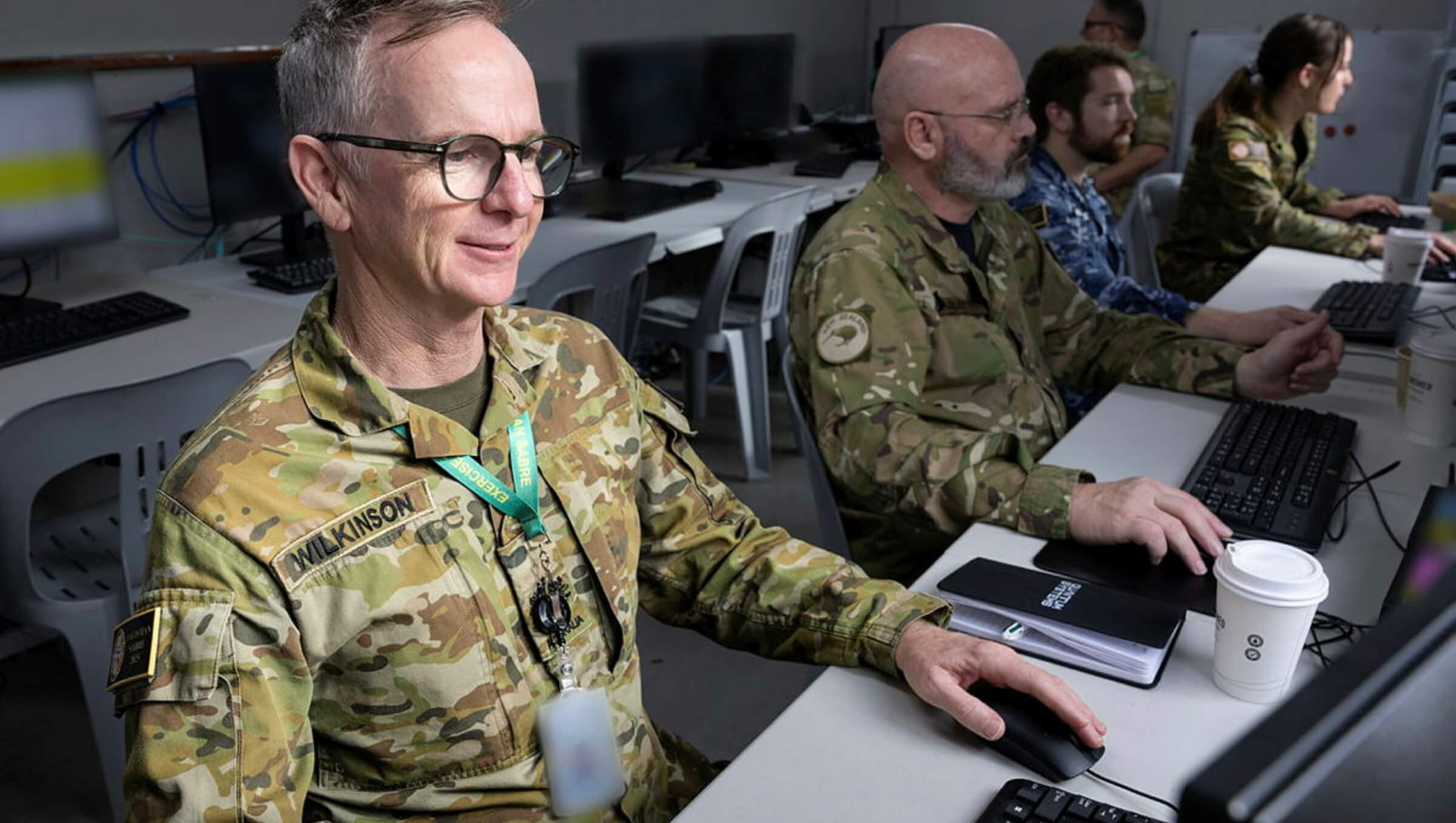
Advances in simulation technology now make it possible to integrate synthetic environments with live operations, creating blended training experiences that improve realism, interoperability and adaptability. Digital twins, AI-driven scenario generation and networked simulators allow commanders and crews to experience the full spectrum of threats – from high-intensity peer conflict to grey zone competition – well before they encounter them in theatre.
For Defence, this approach offers significant strategic benefits. It reduces wear and tear on costly platforms, shortens training cycles, and enables capability development to keep pace with technological upgrades. More importantly, it helps instil the cognitive agility, teamwork and mission assurance required to prevail in contested and uncertain environments.
Industry and academia are also playing a vital role – developing advanced training solutions and simulation frameworks that can be adapted across platforms, domains and mission sets. This collaboration ensures Australia can continue to train for the fight of tomorrow, not the fight of yesterday.
As Defence modernises under the pressure of a rapidly evolving threat landscape, investment in training and simulation is no longer optional – it is a strategic necessity. The battles of the future will be shaped as much by the preparation undertaken in virtual and synthetic environments as by the actions on the battlefield. Getting that preparation right is critical to safeguarding our people, our capabilities and our national security.
Stephen Kuper
Lead - Defence & Aerospace and Senior Analyst
Momentum Markets