

At the heart of this change is CAE, the simulation and training powerhouse behind some of the world’s most advanced defence learning systems, now integrating real-time analytics, adaptive feedback and AI-powered instruction into the defence training enterprise.
Dr Gary Eves, principal technology officer at CAE, believes this revolution is long overdue.
“We’re privileged to partner with the Air Force to manage and sustain a range of simulators while also providing highly qualified instructors,” Eves says.
“This dual capability allows us to support training in high-pressure environments, ensuring personnel are prepared using the most advanced tools available.”
According to the expert, this represents more than just a blend of hardware and human insight. Rather, it’s a holistic approach that leverages simulation as the gold standard for preparing military professionals for real-world operational challenges.
And the reason behind it is simple. As the modern battlespace grows more complex and unpredictable, traditional training models, based on standardised curriculum and fixed timelines, are falling behind.
“Training has evolved beyond the outdated ‘one-size-fits-all’ model,” Eves says.
“Previously, a fixed curriculum assumed all trainees would emerge equally competent, but modern military demands are too complex for that.”
He added: “Today’s environment is dynamic, uncertain and multidimensional, requiring adaptable training systems that foster critical thinking and decision making across many systems, not just task repetition.”
Today’s environment is dynamic, uncertain and multidimensional, requiring adaptable training systems that foster critical thinking and decision making across many systems, not just task repetition.”
- Dr Gary Eves
CAE’s philosophy is that training must now be competency-based, not time-based, ensuring individuals demonstrate the skills required before advancing, regardless of how long it takes.
“Effective programs must embrace learning science to tailor delivery, assess competence and adapt in real time,” Eves says.
“Resilience is essential, not just in platforms but in training systems so they can handle stress, scale up when needed and respond to the unique capabilities and learning needs of each individual.”
Modern trainees, Eves says, also bring with them new expectations shaped by digital environments, instant feedback loops and on-demand content.
“Today’s trainees are digital natives, accustomed to instant access to information, cross-referencing sources and challenging assumptions,” he says.
“They want flexible, tech-enabled learning similar to university models – on-demand, interactive and enriched by multiple resources.”
That shift has implications for instructors too, who must evolve from being content deliverers into data-enabled coaches and mentors, helping learners achieve complex mastery.
“Instructors must shift from information deliverers to intelligent guides who build on foundational knowledge to help learners master complex skills,” Eves says.
“Competence, not time spent, must drive progress.”
To meet this need, CAE is leading the way in adaptive learning, an approach that uses data to personalise the training experience to each individual’s pace, skill level and performance profile.
“Every trainee learns differently,” Eves says. “Two people in the same course may need different inputs to achieve the same outcome.
“Using data-adaptive learning systems can tailor content, pace, feedback and repetition to individual needs, optimising learning without sacrificing standards.”
By shifting basic instruction to intelligent virtual tutors, instructors can focus on coaching advanced competencies, delivering deeper support without increasing human resource demands.
“This not only maximises resources but ensures learners reach competency faster, with tailored support throughout,” he says.
“Personalisation isn’t optional, it’s essential for producing mission-ready professionals in a resource-constrained environment.”
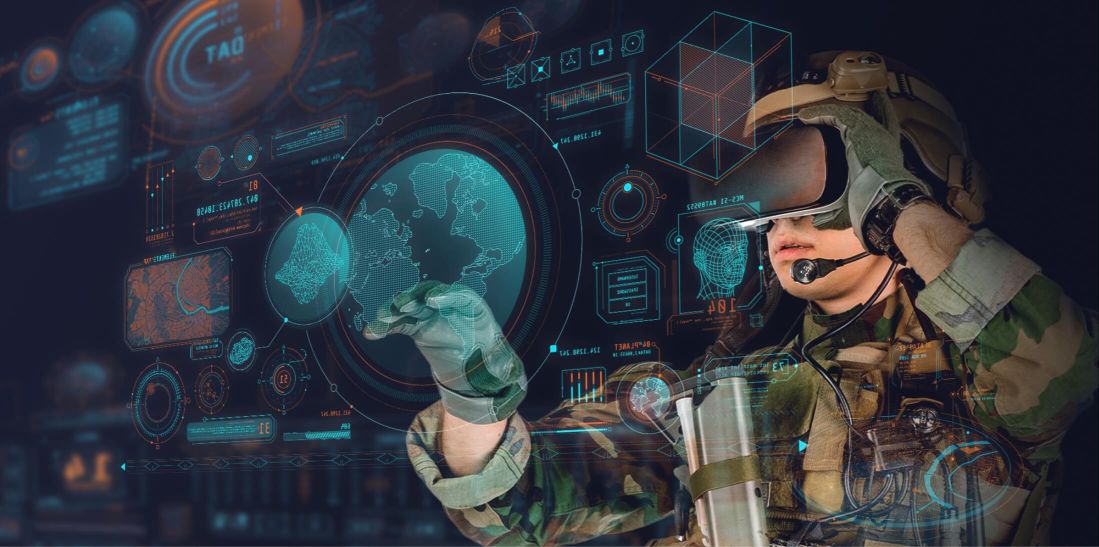
All of this sits within CAE’s Integrated Learning Environment (ILE), a centralised digital ecosystem that connects people, platforms and performance metrics into one continuously optimised learning loop.
“Integrated learning environments aim to unify devices, data, instructors and feedback loops into a cohesive system,” Eves says.
“By connecting every element, from biometrics at entry to performance analytics, we can track progress, optimise resourcing and personalise training.
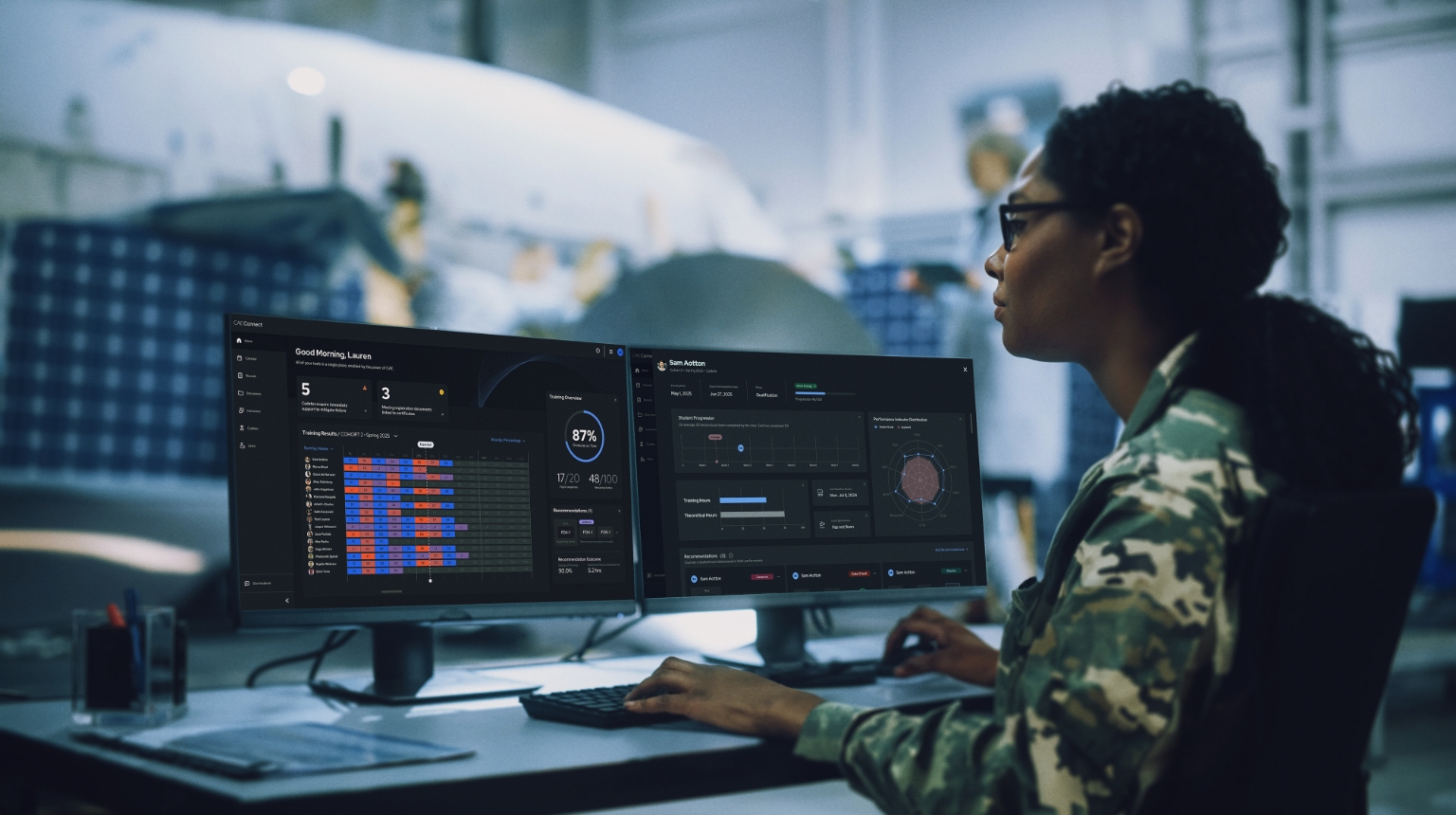
“Dashboards help instructors adjust time, repetition and delivery based on real data, not guesswork.”
This connected architecture enables what CAE calls an enterprise-wide view of training, one that is flexible across all military domains, including land, sea, air and space.
“It moves training management from intuition to insight, enabling better outcomes and efficient use of resources,” Eves adds.
“An ILE transforms training from fragmented islands into a connected, agile ecosystem.”
AI adds an extra layer of precision and power, enabling real-time feedback in simulation environments that accelerates learner development and improves performance at scale.
“Artificial intelligence can supplement instructors by delivering real-time feedback during simulation-based training,” Eves says.
“After each task, students receive analytics breaking down their performance, encouraging self-awareness, gamification and deeper engagement.
“For instructors, this means actionable data, how long each task takes, how students progress and who needs extra support.”
This reduces attrition, improves outcomes and supports high achievers while lifting stragglers to standard, all while keeping a human instructor at the helm.
“It’s about improving outcomes, reducing attrition and maximising every training minute with smart, targeted and scalable learning support,” Eves says.
CAE’s learning model is platform-agnostic, allowing its training systems to adapt to new technologies and capabilities without needing to start from scratch.
“Training systems should be flexible, scalable and independent of platform or domain,” Eves says.
“This means building a ‘total learning architecture’ using proven commercial tools and methodologies, from data analytics to mobile learning, wrapped in a consistent framework.
“Such systems can adapt quickly to capability changes, using virtual and live tools to train resilient, competent warfighters.
“It’s not just about cutting-edge tech, it’s about using what works best, anywhere, to prepare people for high-tempo, high-risk and constantly evolving mission environments.”
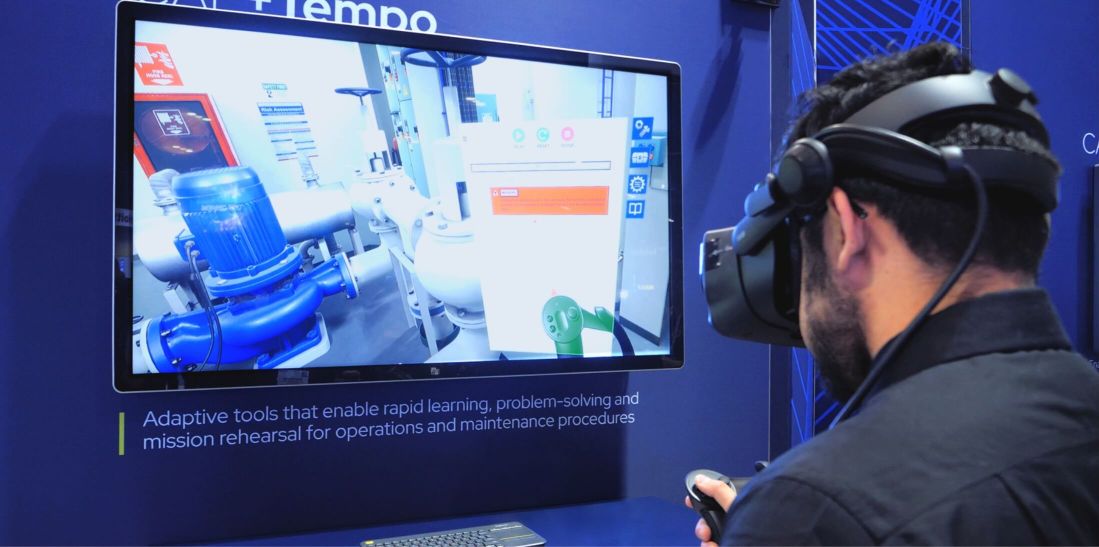
CAE’s transformation of defence training doesn’t come at the expense of instructors, it enhances their effectiveness and preserves their wisdom for future generations.
“We’re not replacing instructors, we’re digitising their expertise,” Eves says.
“By embedding their knowledge into systems and algorithms, we can set benchmarks, guide performance and ensure training consistency.
“Automated systems manage foundational skills, while instructors fine-tune advanced performance, like elite sports coaches.
“Data ensures trainees meet objective standards, not just pass based on subjective judgement.
“It also allows instructors to guide learners through complex scenarios with multiple paths to success, drawing on deep mental models built through simulation.”
Importantly, this vision extends beyond individual proficiency. CAE’s advanced simulation environments are being used to build cohesive, high-performing teams across the battlespace.
“Simulation doesn’t just train individuals, it develops high-performing teams,” Eves says.
Stressing the growing importance of the synthetic in contemporary training and simulation, Eves explains, “Synthetic environments replicate complex systems (like submarines or battle management networks) with high realism and face validity. Learners build competence by interacting with rich, scenario-based content that mimics real conditions, from distractions to environmental changes.
“This extends beyond technical skills to team-based decision making, communication and role clarity. Whether in a submarine control room or a joint operations centre, shared mental models are essential.”
The future of defence training is here. It’s smart, agile, and deeply human. And CAE is ensuring that every warfighter gets the training edge they need, when it matters most.