

For Australia and its allies, ensuring soldiers, sailors and air personnel are prepared for the full spectrum of modern conflict – from high-end peer warfare to grey zone operations – demands an evolution in how we train and prepare our people.
Modern military training has become a blend of two powerful elements: real-world experience and synthetic environments. This integration allows defence forces to prepare personnel not just to survive, but to dominate in future operational environments – ones that are fast-paced, information-rich and often ambiguous.
Beyond the barracks: Realism through simulation
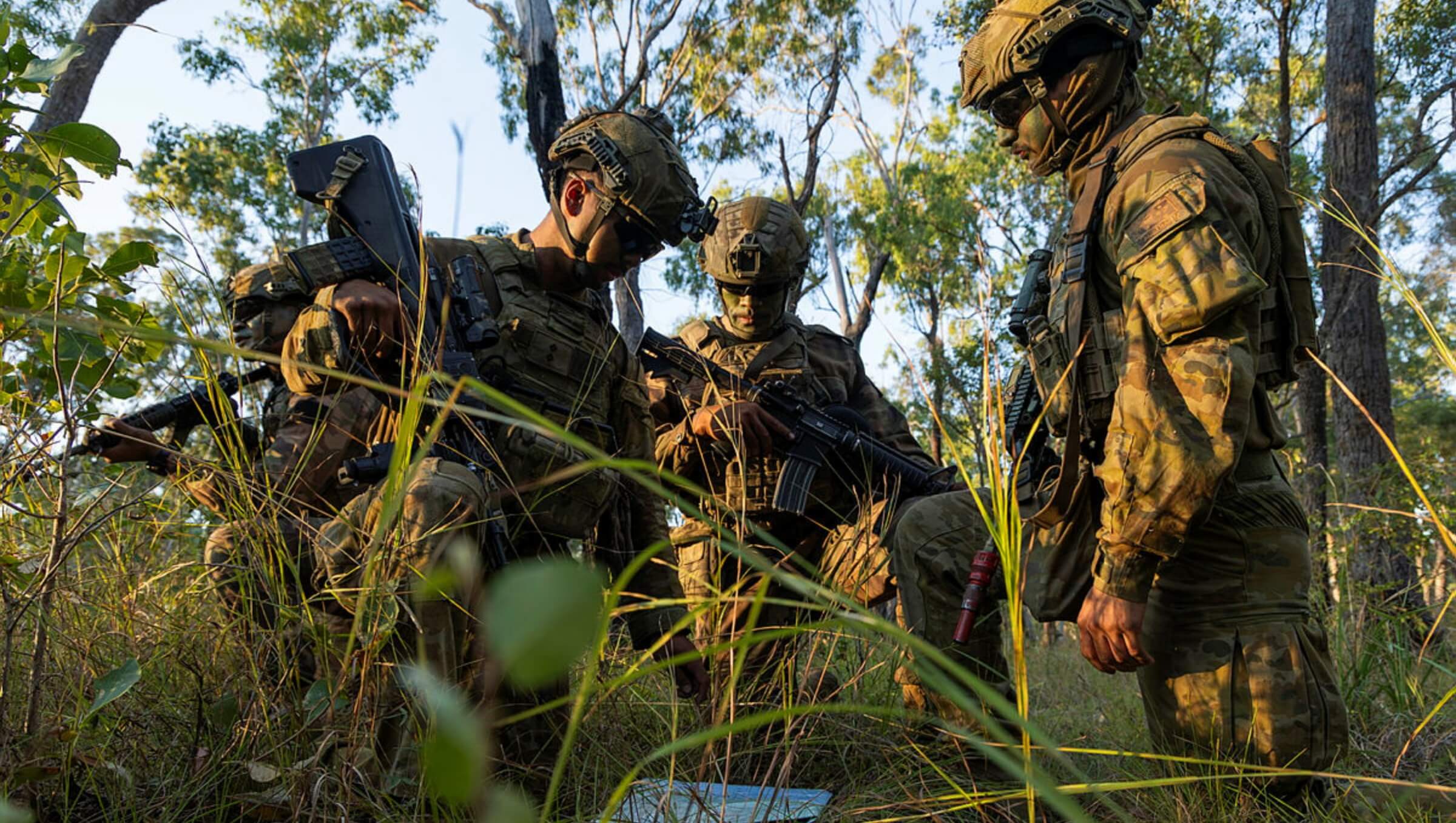
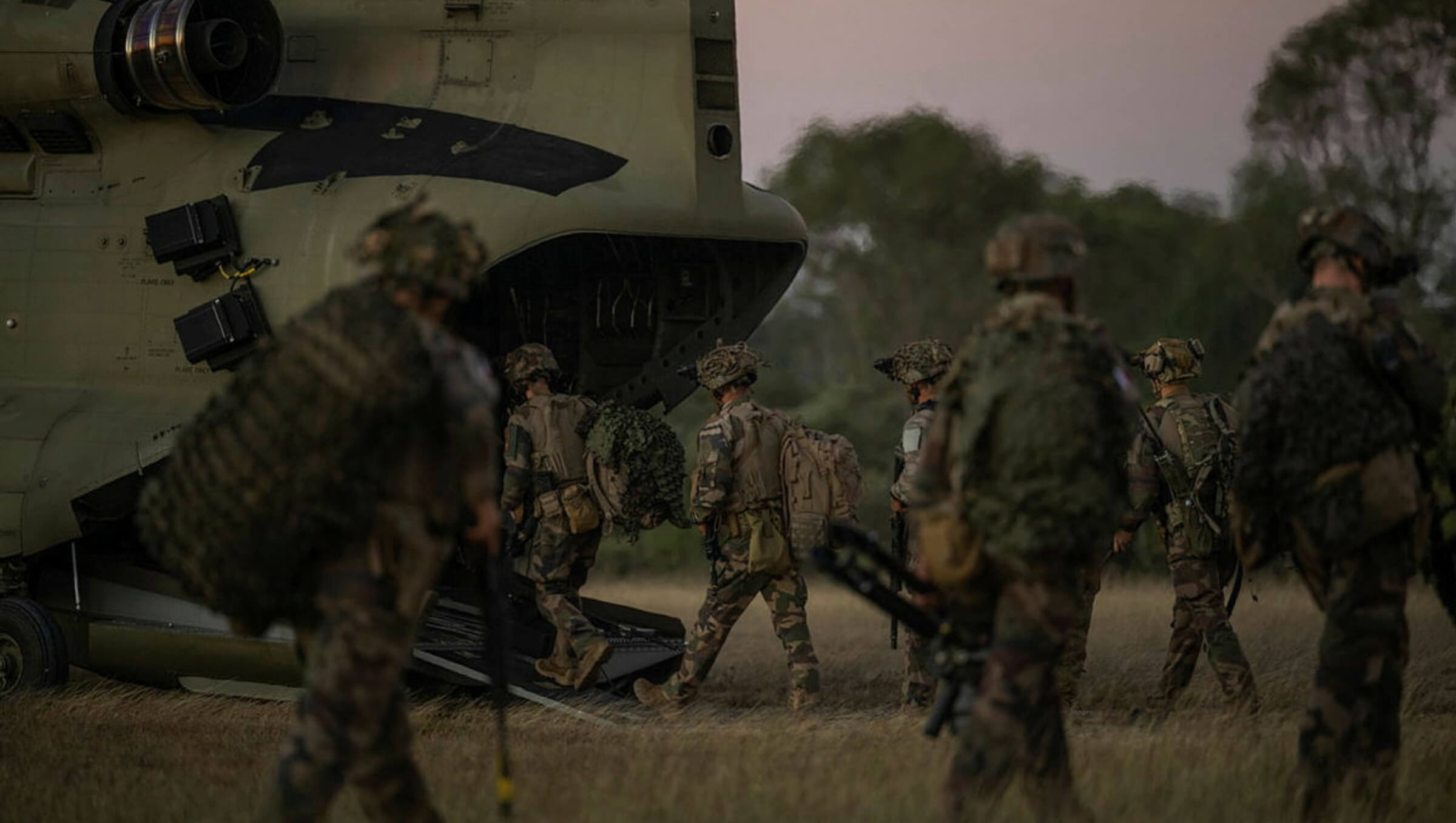
Traditional training methods – field exercises, live-fire drills and war games – still play a vital role. They instil discipline, build camaraderie and expose troops to the physical and psychological stresses of combat. But these activities are resource-intensive and can only replicate a fraction of the complexity found on real battlefields. Enter the synthetic world.
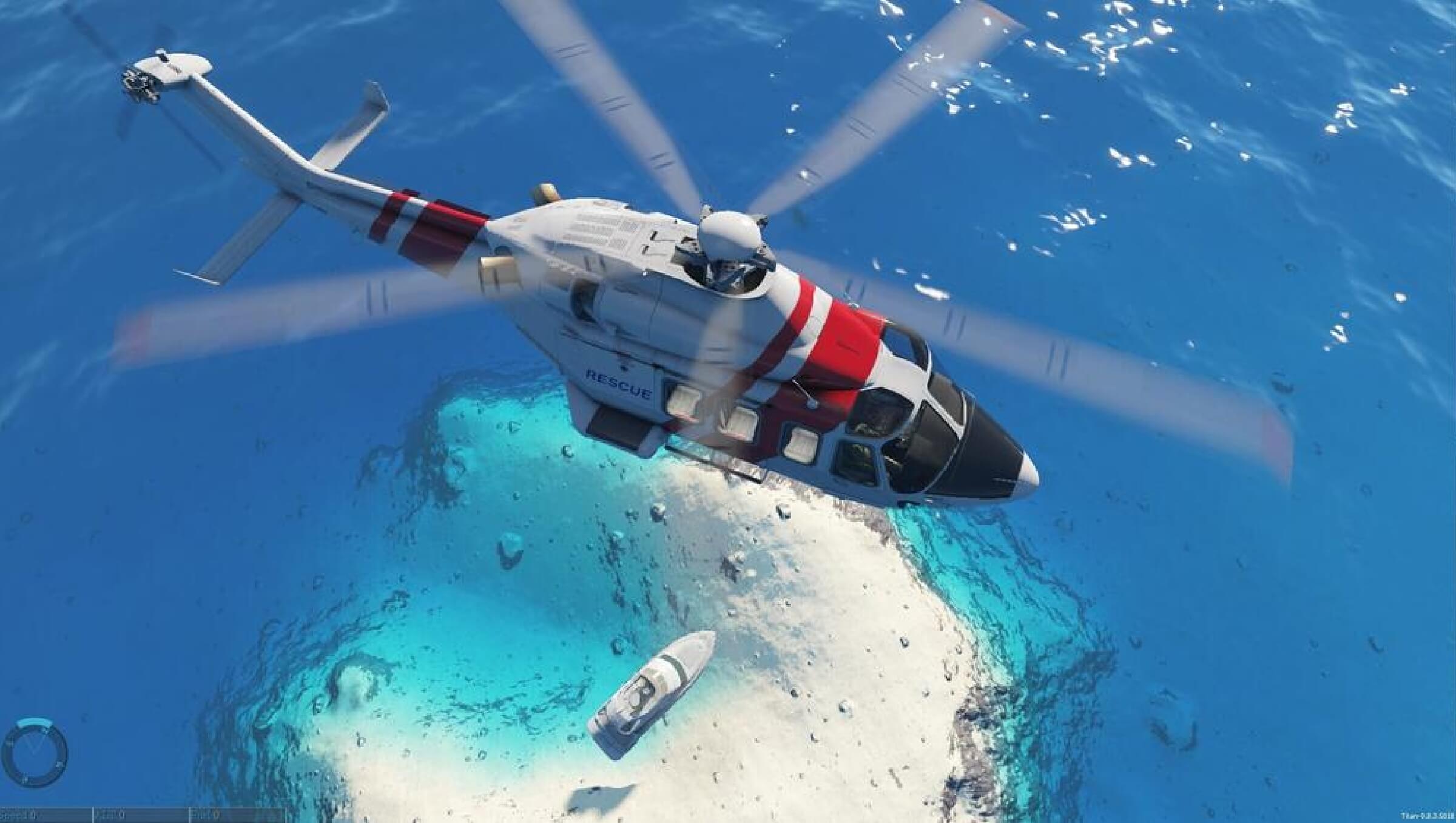
Simulation-based training is no longer just about flight simulators or gunnery ranges. Advances in virtual reality, artificial intelligence and data modelling now allow defence personnel to immerse themselves in comprehensive, multi-domain environments.
From cyber warfare and electronic jamming to urban combat scenarios or long-range strike coordination, synthetic training can replicate highly specific threat environments and enable individuals and teams to rehearse their responses in real time.
Speaking to Defence Connect, Benjamin Rice, managing director at Coherics, explains the importance of developing and fielding not only realistic training and simulation but adaptive, flexible capabilities to improve the lethality and survivability of our service personnel.
Rice says, “What we are finding increasingly critical is the importance of making sure that the training delivered to our soldiers, sailors and aviators is as realistic as possible, however we have to accept that given limitations of real-world training, that is where simulation comes into play and in many ways, it allows us to bring together more elements from across the warfighting domains into a single, cohesive training environment.”
In Australia’s case, as the nation faces a rapidly changing Indo-Pacific security environment, simulation offers a powerful tool to prepare for scenarios that cannot be easily recreated in real life, such as operating in contested electromagnetic space, coordinating across multinational task forces or responding to mass missile strikes.
These aren’t abstract concerns, they reflect real strategic challenges that Australia may face in the next decade.
Learning without consequence, preparing for high stakes
Perhaps the most important benefit of simulation is that it allows for failure – without the tragic consequences. Military personnel can make critical decisions under pressure, test tactics and explore novel solutions to emerging problems in a controlled, consequence-free environment. When lessons are learned in simulation, they can be applied to real-world operations before lives are on the line.
Moreover, simulation allows for repetition, refinement and experimentation in ways that live training simply cannot.
Rice says, “The repetition, the physical basics and the real-world basics are important to maximising and leveraging advances in visual technology, and while graphics and the synthetic environment technology has come a long way, it is blending the physical and synthetic where we get the best outcomes.”
The repetition, the physical basics and the real-world basics are important to maximising and leveraging advances in visual technology, and while graphics and the synthetic environment technology has come a long way, it is blending the physical and synthetic where we get the best outcomes.”
- Benjamin Rice
A commander preparing to deploy a battle group can run dozens of mission variations in simulation – altering terrain, enemy strength, logistics, weather or civilian activity – before ever setting foot in the battlespace.
This builds adaptability and decision-making agility, especially in junior leaders who may be required to act independently during high-tempo operations.
Multi-domain and joint: Training for the fight we will face
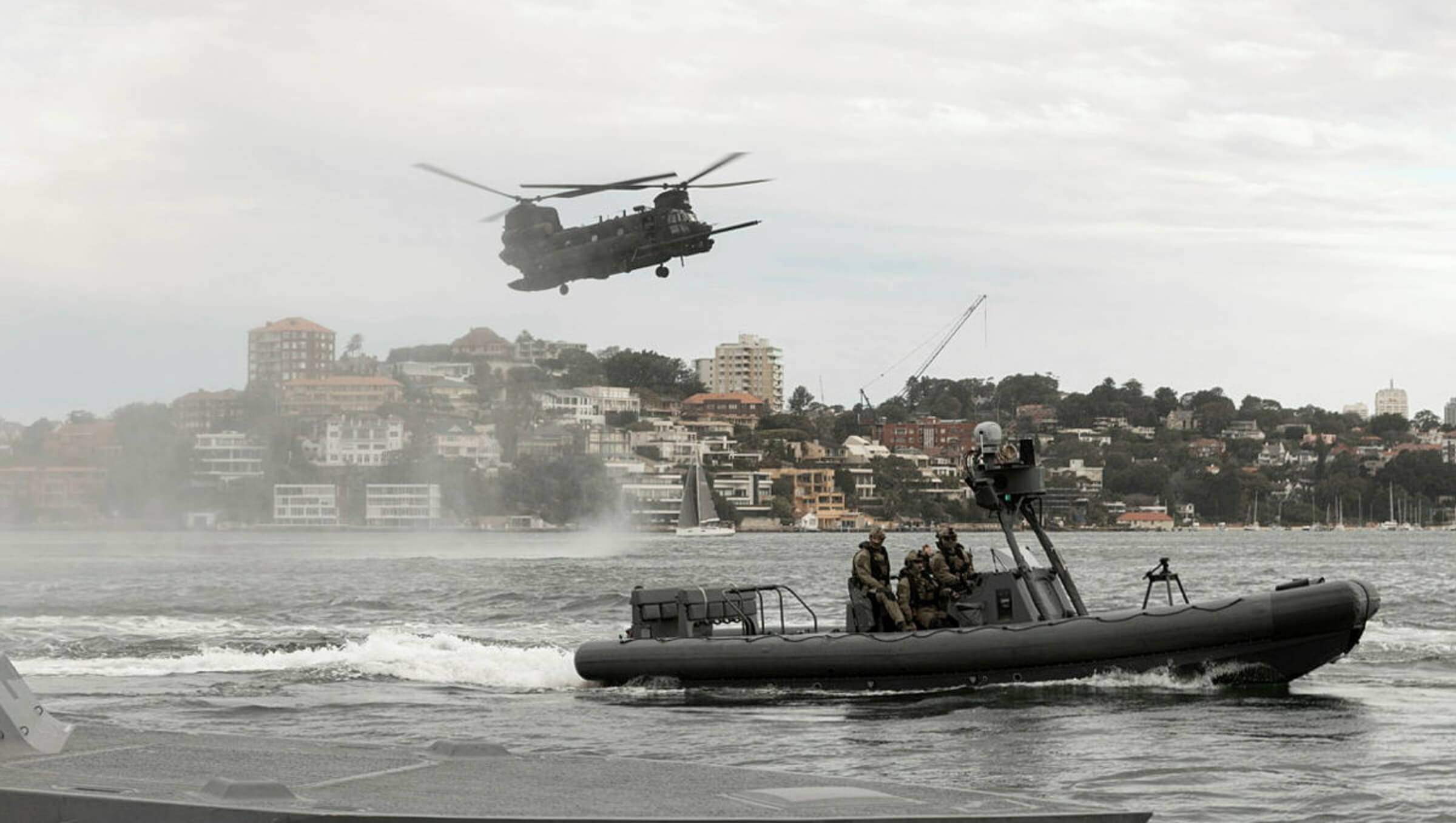
Modern conflict is no longer defined by a single domain. A strike on a naval vessel might be enabled by space-based intelligence, surveillance and reconnaissance assets, coordinated through joint cyber networks and executed by a hypersonic weapon. Consequently, militaries must train as they intend to fight – jointly and across domains.
Australia’s Defence Force has recognised this reality. Investments in joint simulation environments – where Army, Navy, and Air Force elements train together in scenarios that include space, cyber and information warfare – are now a critical part of capability development. The goal is not just interoperability but true integration: where a cyber operator can talk in real time to an infantry officer and a fighter pilot to achieve shared objectives.
Rice elaborates on this, saying, “What we have found is that the techniques and applications that we were putting forward were increasingly domain agnostic, we saw that firsthand with our transition into the maritime domain and our experience demonstrated just how ‘joint’ the battlespace is becoming.”
“Accordingly, we have to train for and simulate that in real time, we have to ensure that we’re blending the different environments and domains into a single, common image that is both realistic, adaptable and accounts for the skill level of the operator to get the best training outcomes,” Rice adds.
Additionally, Australia’s deepening strategic partnerships, especially with the United States, Japan and regional partners, require seamless integration. Training with allies in synthetic environments builds familiarity, trust and procedural harmony that can be carried into real-world operations.
Rice explains the importance of this combination of training efforts, saying, “At the end of the day, what we’re looking for is training transfer. I am looking for either a quality of skill transfer or a speed at which I can help get an individual to acquire the knowledge, skills and attribute I want them to be capable of reliably replicating under pressure.”
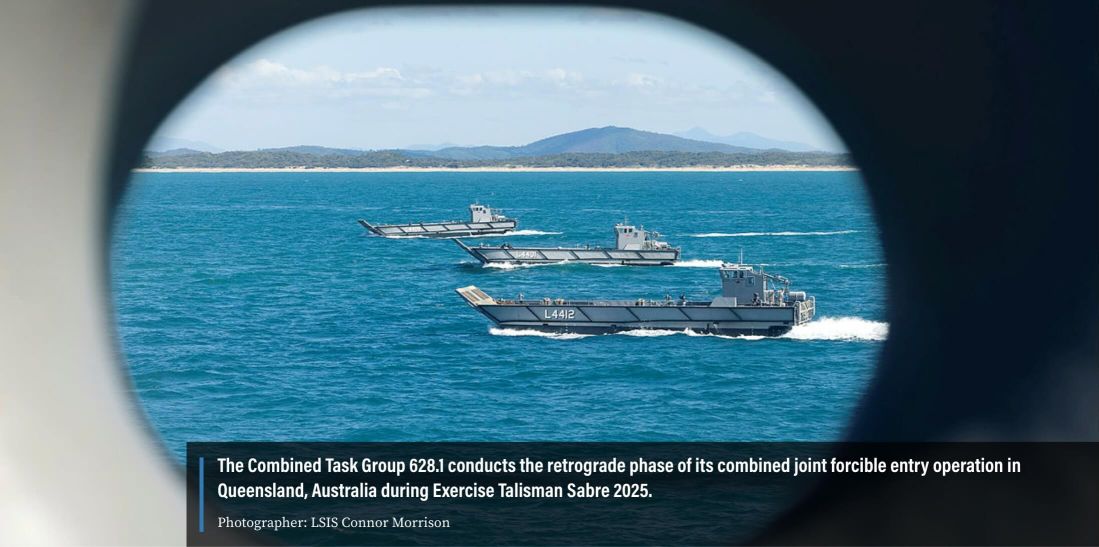
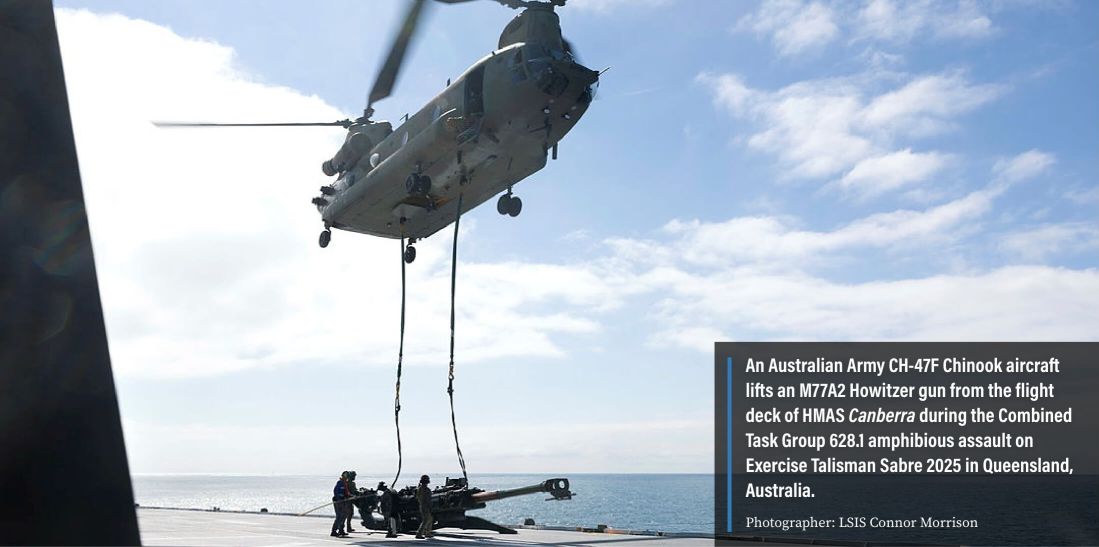
Defence’s use of advanced simulation frameworks during multinational exercises such as Talisman Sabre illustrates how synthetic training complements live drills and ensures readiness at scale.
Data-driven learning: The feedback loop
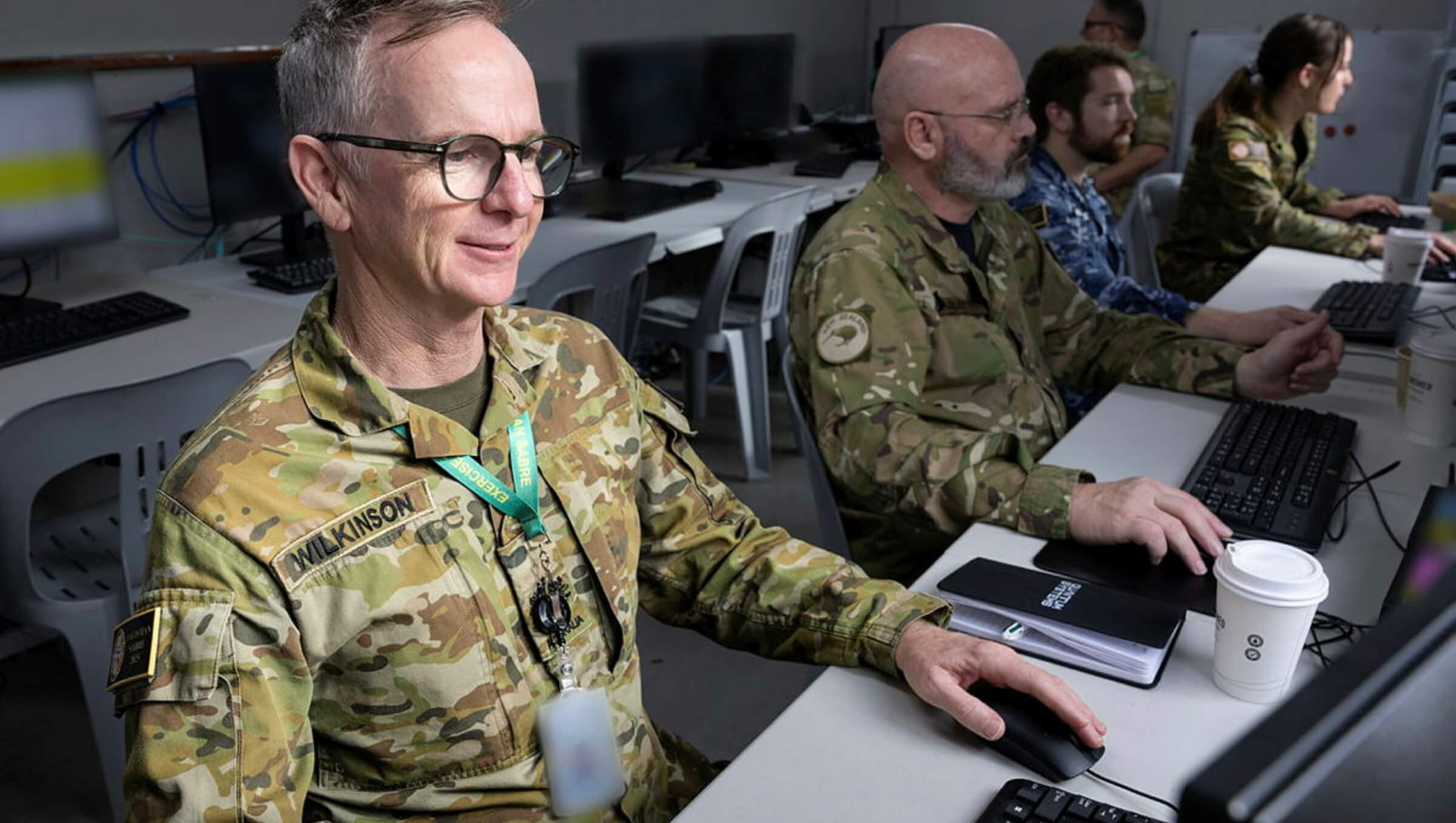
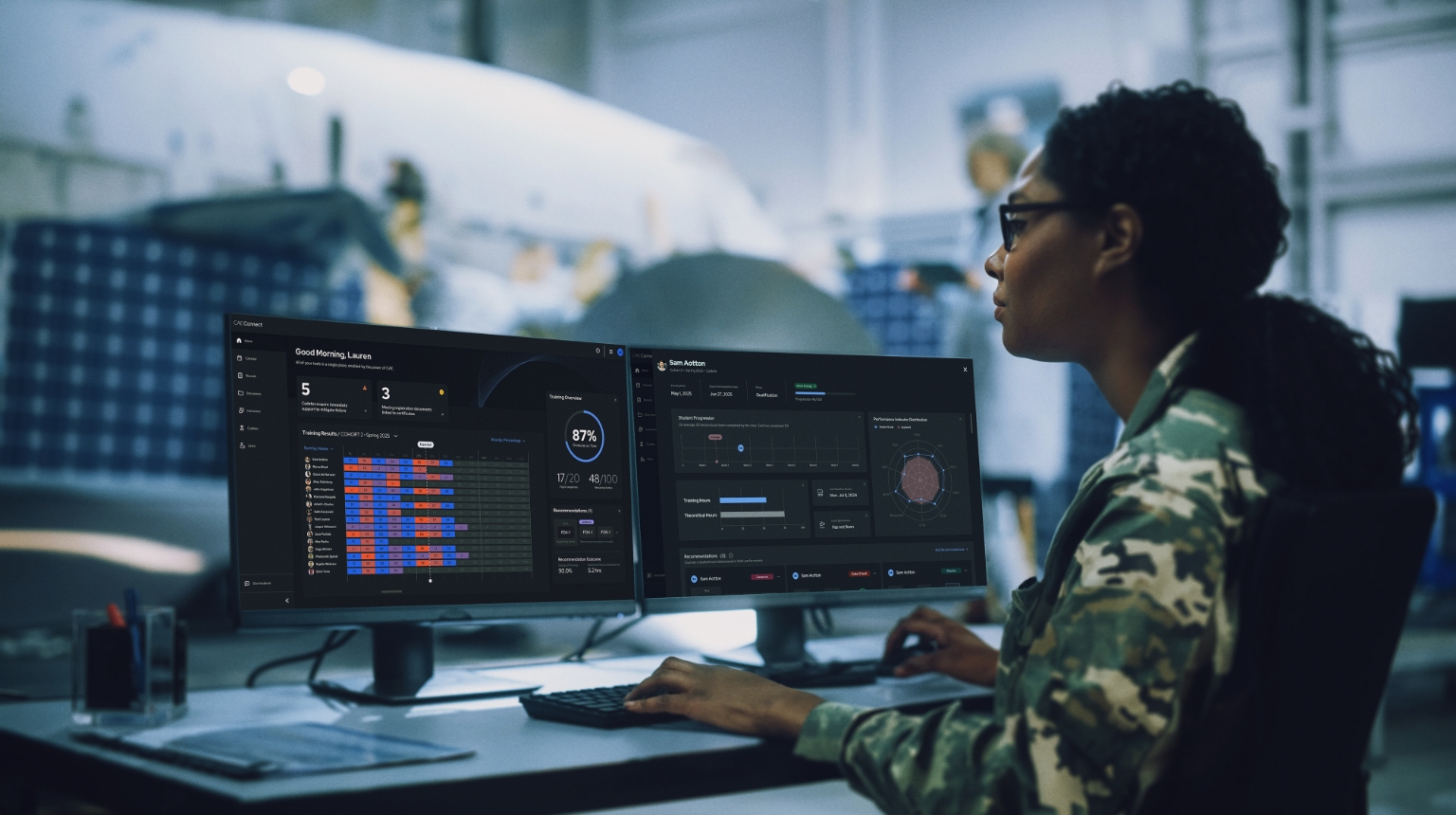
One of the quiet revolutions in military training is the integration of data analytics. Every simulated mission generates an immense trove of data on decision-making patterns, response times, communication effectiveness and tactical outcomes. These insights feed into after-action reviews, allowing commanders and personnel to dissect their performance in granular detail.
This is more than just a debrief.
It’s a feedback loop that refines doctrine, informs equipment acquisition and improves individual performance over time. It is also central to building a culture of continuous learning within the armed forces essential in a security environment where technology and adversary tactics evolve rapidly.
Rice says, “The brilliance of pairing a synthetic wrapper with real-world training is largely because we’re getting to a point where we can stimulate operators to a pressure point in a lot of high-end warfighting, not necessarily at the low-to-mid level end of things and that is a unique level of experience generated through real and synthetic environments.”
Looking ahead
As the Australian Defence Force embraces a more technologically advanced, agile and joint posture, contemporary training and simulation will only grow in importance. Whether through immersive virtual environments, AI-driven adversaries or digital twins of physical platforms, the capacity to prepare for war without fighting is now a strategic advantage.
Simulation isn’t about replacing live training. it’s about enhancing it. It’s about preparing soldiers, sailors and aviators not just to execute orders, but to think critically, adapt on the fly, and win.
In a region where strategic competition is intensifying and where the margin for error may be razor-thin, the quality of our training could be the single most decisive factor.
Australia cannot afford to train for yesterday’s wars. With the right investment and integration of real-world and synthetic training, the ADF can ensure that its people are ready for whatever lies ahead – prepared, empowered and one step ahead of the threat.