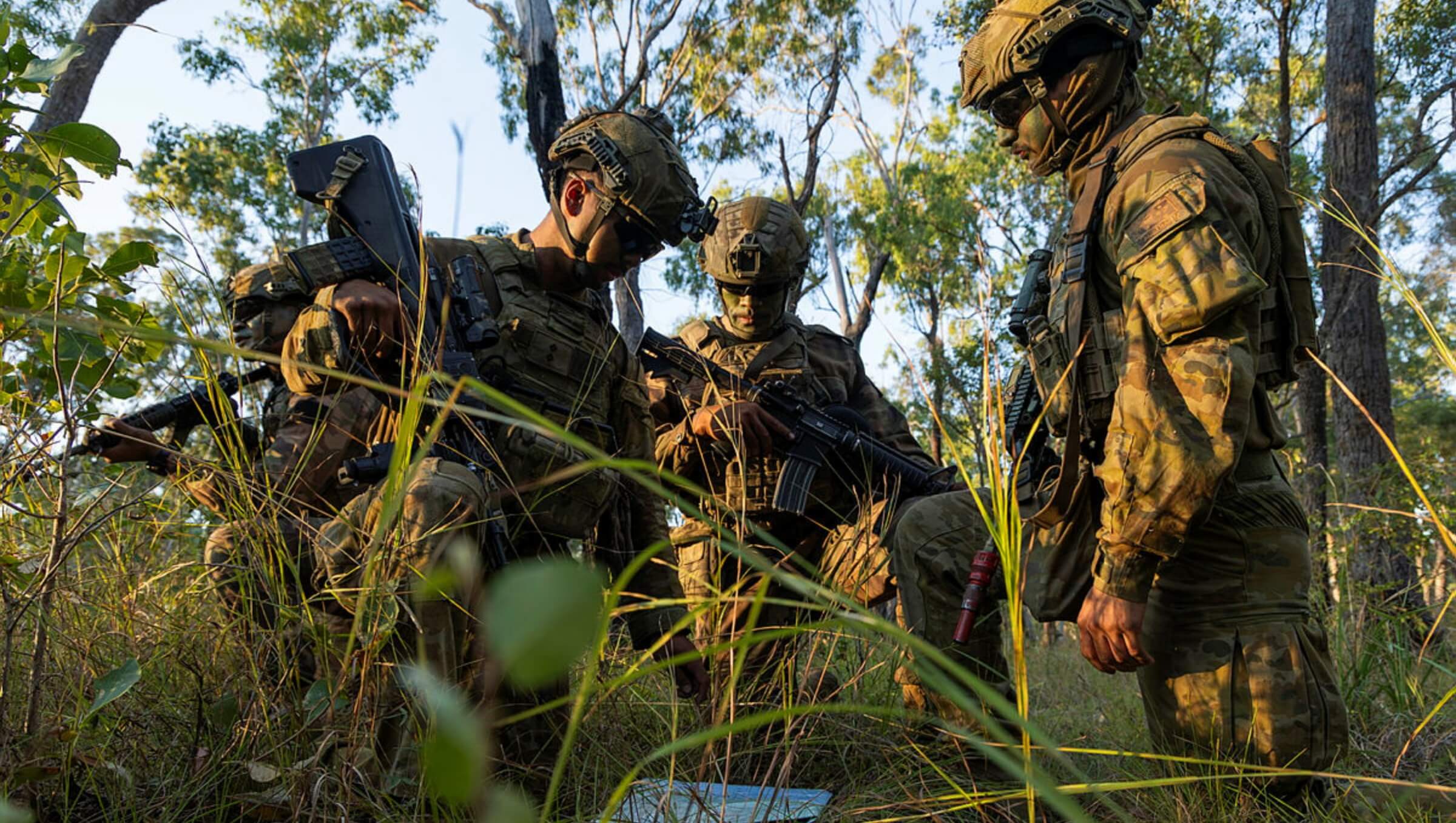


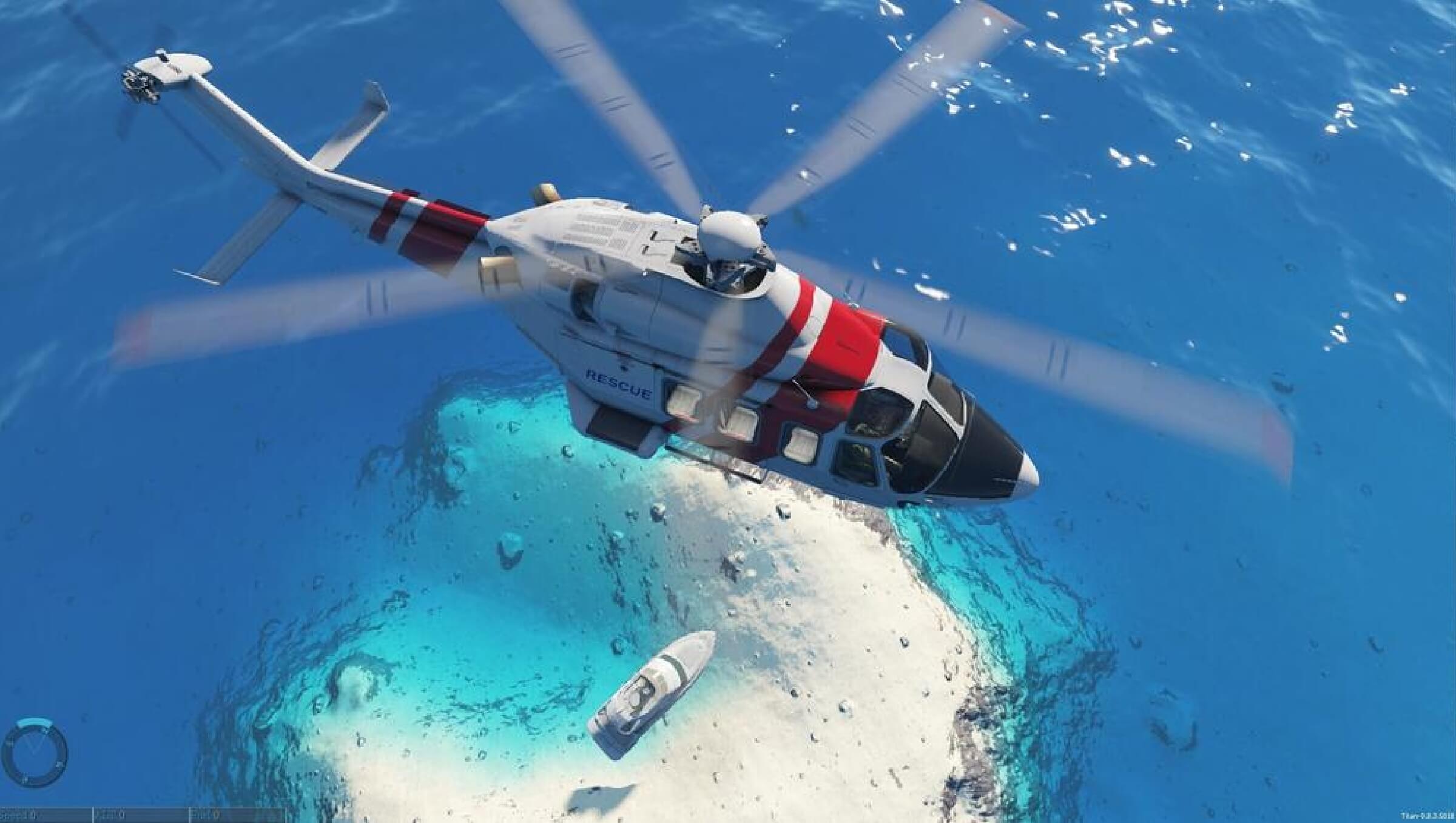
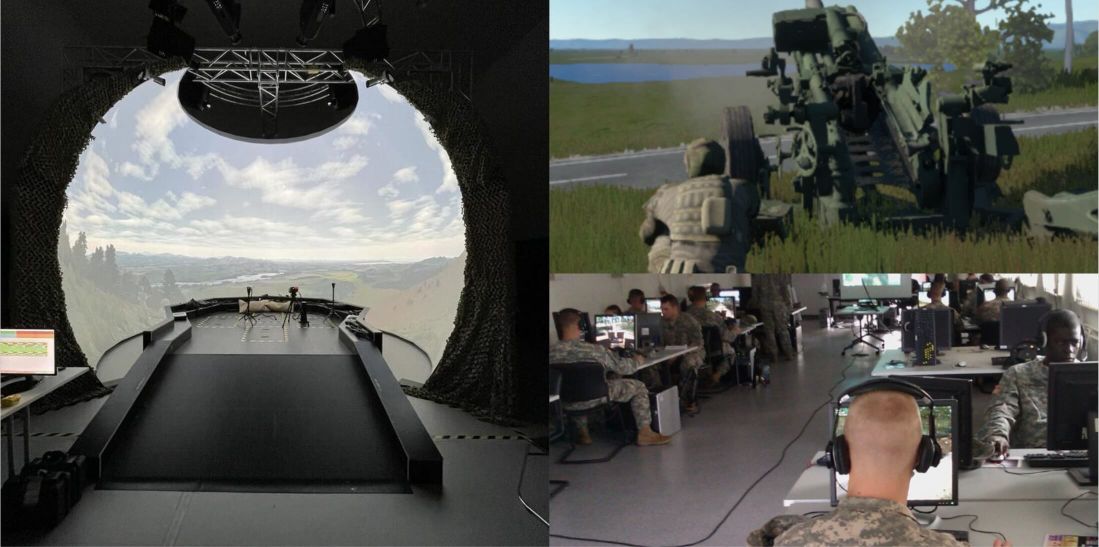
Over the past 15 years, simulation has evolved from a niche capability to a central pillar of defence preparation across all domains: air, land, sea, space and cyber. Using robust infrastructure to conduct distributed exercises and integrate live, virtual and constructive environments, simulation is integrated across the training continuum from individual skills through to joint-force rehearsals.
Yet despite this progress, a critical issue persists – simulation technology often drives training rather than the other way around. This focus on technology risks overshadowing the true objective – preparing people for real-world missions. When simulation is treated as the outcome rather than a means to achieve training goals, training effectiveness suffers.
The trap of technology-first thinking
The defence simulation community often focuses heavily on technical specifications – like rendering quality, virtual reality/mixed reality integration and entity counts. While these elements are relevant, they don’t guarantee effective learning. Higher fidelity or frame rates won’t compensate for poor instructional design.
Mandates for common simulation tools are frequently justified on the grounds of cost efficiency, reuse and interoperability. But this rigid, one-size-fits-all approach often ignores the varied and evolving needs of the training audience. Interoperability can be achieved through flexible standards-based integration frameworks, not through uniform toolsets.
Moreover, simulation’s true cost extends far beyond technology licences. In many cases, mandated tools end up shaping the entire training design. This backwards process – starting with technology and retrofitting training objectives – yields constrained and compromised training outcomes. The correct approach is to define training goals first, then choose the appropriate technology to meet them.
The role of training systems integration
A critical shift is starting to emerge with the rise of the training systems integrator (TSI), a training development framework that focuses on aligning training outcomes with the appropriate technological enablers. Unlike traditional, technology-centric models, the TSI approach starts with a thorough training needs analysis. Leading with a training needs analysis ensures that the learning outcomes identified in the curriculum lead the design and development of training systems and equipment.
In a TSI-led approach:
- Training requirements come first, defining the specific behaviours, skills, knowledge and attributes leading to decisions regarding development.
- Design is guided by military and instructional expertise, not sales presentations or flashy demos.
- Technology is selected to support training, acting as an enabler – not a constraint.
TSIs, which blend military training experts with skilled training designers and engineers, connect operational knowledge with instructional design and simulation technology to produce tailored, fit-for-purpose solutions. This ensures simulation supports rather than dictates training.
Without this training-led collaboration, even the most sophisticated simulation platforms risk becoming an isolated tool that fails to deliver real learning impact. A TSI ensures that the people who understand training lead the process, while technologists serve in a supporting role.
Changing the defence acquisition model
Too often, capability acquisitions are focused solely on Introduction into Service (IIS) training, with little thought given to long-term sustainment requirements. By embedding a disciplined training needs analysis during acquisition, forces can develop IIS systems that are adaptable into lifelong training solutions, saving significant costs over the platform’s life cycle.
For many prime contractors, training is not core business. Those that do try to manage training often fall back on existing in-house toolsets and short-term hiring practices, resulting in uncoordinated solutions driven by technology-first thinking. In contrast, involving a partnering-ready TSI from the beginning allows primes to hand off training to trusted experts, ensuring alignment with operational needs while keeping their focus on platform delivery.
To be fair, a philosophy of training systems integration is becoming increasingly evident in modern defence acquisitions, where training needs are being integrated into the process from the outset, rather than bolted on at the end. Representing a small fraction – typically between 2 per cent to 5 per cent – of a total platform’s budget, early integration of the training requirements reaps enormous success.
As defence continues to embrace advanced simulation, a guiding principle must remain clear: training defines the requirement, simulation contributes to the solution.”
Australia’s strategic context
An acquisition approach that incorporates training systems integration is particularly relevant for Australia, as it modernises its military and deepens strategic partnerships, particularly with the US and the UK, from where many of our major platforms will be sourced. However, Australia’s unique geography, threat profile and force structure require training solutions locally sourced and tailored to sovereign needs.
The TSI model represents a significant Australian industry capability opportunity. By embedding Australian TSIs early in the capability development process, local industry can provide sovereign training solutions that align with national objectives, and in the process develop local knowledge reliance.
The consequences of getting it wrong
When simulation takes the lead – when the lowercase “s” dominates the capital “T” – the result is ineffective training that doesn’t prepare personnel for real-world missions. This wastes time, money and effort – or worse, leave warfighters ill-equipped for their tasks.
Training must never be treated as an afterthought – it is as important as the mission itself. Simulation, no matter how advanced, is simply a tool in service of that mission.
Conclusion: Always lead with the ‘T’
As defence continues to embrace advanced simulation, a guiding principle must remain clear: training defines the requirement, simulation contributes to the solution.
This isn’t just semantics – it’s a TSI mindset shift that ensures training systems deliver real operational value. Governments, military leaders and industry must focus on what training needs to achieve, not merely what simulation can offer.
By putting training (capital “T”) ahead of simulation (lowercase “s”), defence organisations position themselves for lasting success – building forces that are truly prepared for the complex challenges ahead.