

 iscover






The counter-UAS company’s sensor and command-and-control platforms are now compliant with US government standards.
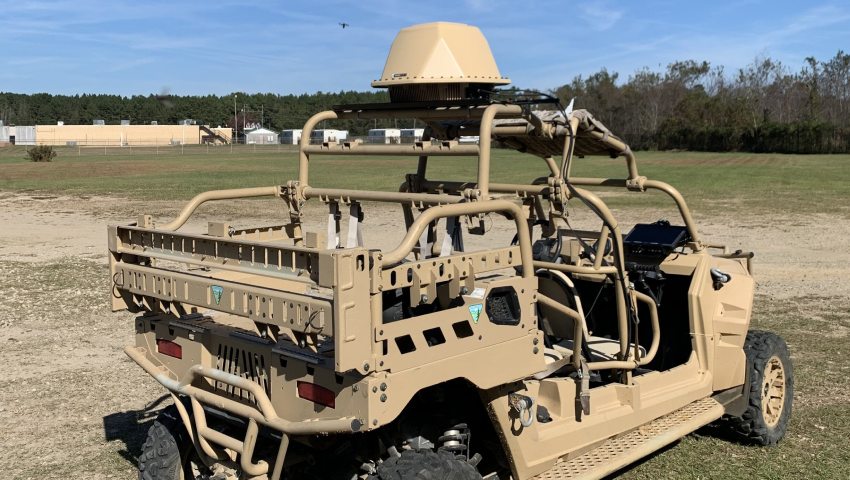
DroneShield Limited has announced it is “fully compliant” with the US government’s Team Awareness Kit (TAK), securing certification for its sensor and command-and-control platforms, including RfPatrol, RfOne and DroneSentry-X.
The company’s command-and-control platform, DroneSentry-C2, which leverages artificial intelligence, machine learning (AI/ML) and sensor fusion technologies, is also compliant with the TAK communication standard.
The TAK system, which is used by the US Department of Defense (DoD) and other allied forces, is designed to enable operators in the field to receive detailed threat detection information to improve situational awareness in a common format.
DroneShield platforms can now stream data directly to TAK servers providing both command operations centres and field operators access to the real-time sensor information and intelligence.
This could involve integrating data from multiple sensors and sensor modalities including radar, radio frequency (RF) and electro-optical (EO) and thermal recognition.
Both DroneShield sensors and the C2 system have implemented the Cursor-on-Target (CoT) protocol to send information to TAK and interoperable systems.
“Battlespace is rapidly evolving, and robotic platforms continue to be both a central capability and a threat to Allied forces,” DroneShield chief technology officer Angus Bean commented.
“It is critical that DroneShield technology can meaningfully contribute to building this battlespace awareness.
“Common operating platforms such as TAK empower wide-ranging technologies and to generate a cross-compatible system of sensors and operating platforms.”
The announcements follows the launch of DroneShield’s new AI engine, with the company updating RF Detection devices across its RfPatrol, RfOne and DroneSentry-X platforms.
The updates are set to be rolled out across DroneShield devices globally over the next week, amid a reported spike in drone activity in the Middle East and other parts of the world.
The technology upgrades have been tested during deployments with the US Air Force and Australian Army.
[Related: DroneShield upgrades AI engine, enhances offering]

Want to see more stories from trusted news sources?
Make Defence Connect a preferred news source on Google.
Click here to add Defence Connect as a preferred news source.