image-1 = images/ADF-1917-1940/1.jpg
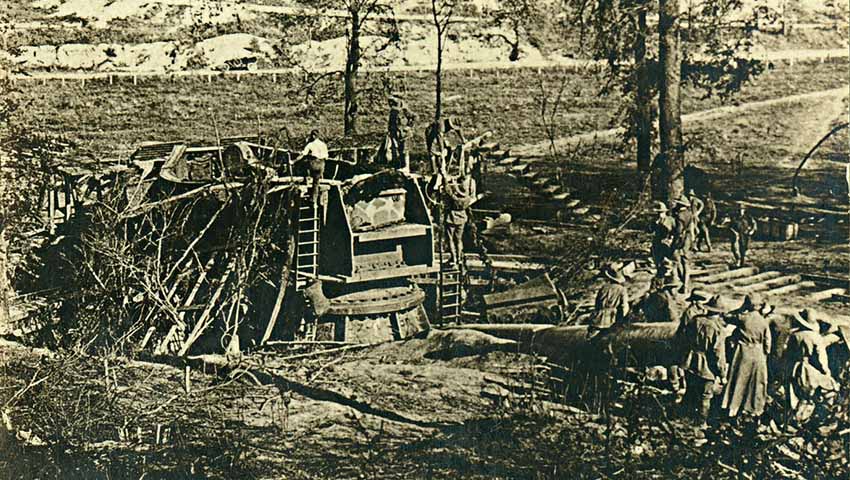
title-1 = The closing days of WW1 (1)
description-1 = A 15" artillery gun captured August 1918 by AIF near Cappy, France. (State Library Victoria)
status-1 = 1
image-2 = images/ADF-1917-1940/2.jpg
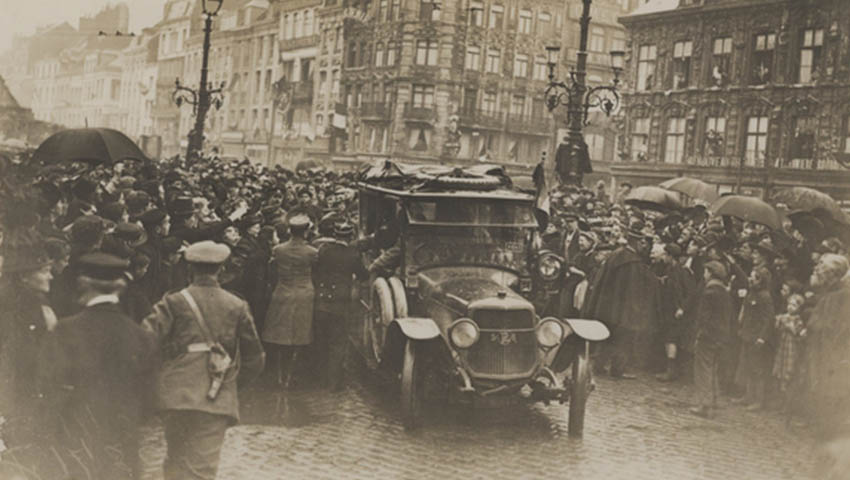
title-2 = The closing days of WW1 (2)
description-2 = Photograph of Field Marshal Lord William Birdwood visiting sick and wounded soldiers at a hospital in the chapel at Millencourt, France (1917). (Source: AWM, E00382)
status-2 = 1
image-3 = images/ADF-1917-1940/3.jpg
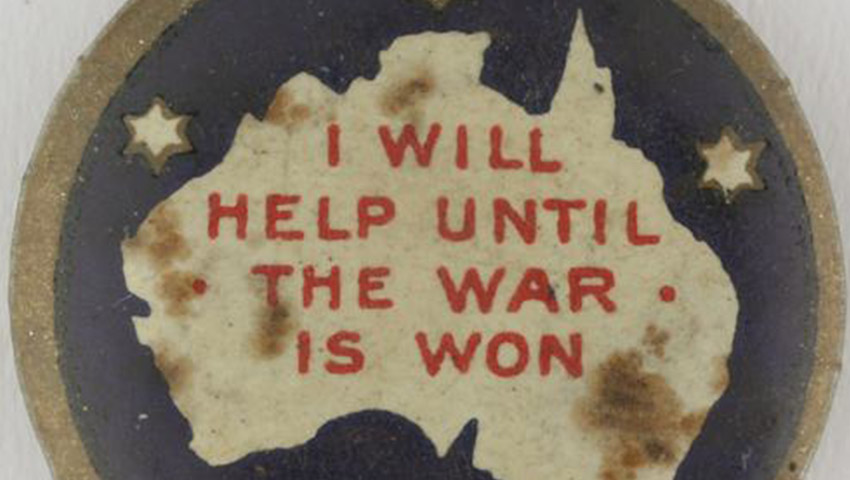
title-3 = A patriotic push
description-3 = "I Will Help Until The War Is Won" badge, in circulation 1917-1918. (Source: Museums Victoria)
status-3 = 1
image-4 = images/ADF-1917-1940/4.jpg
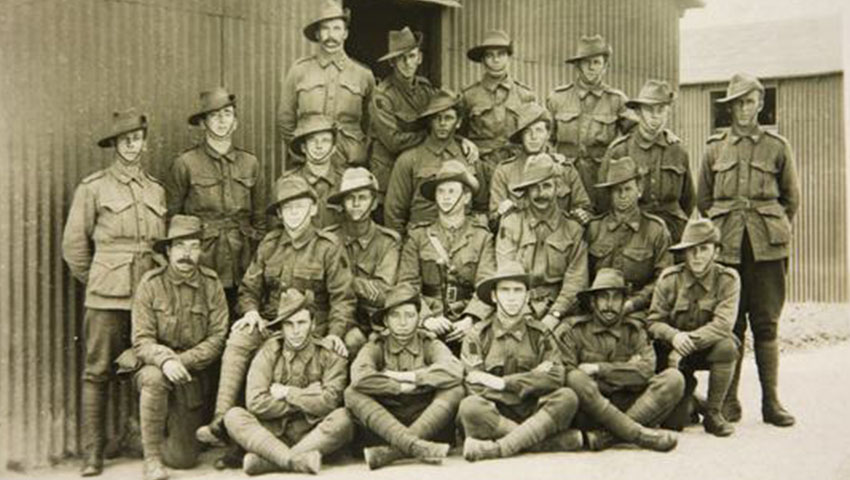
title-4 = A group portrait (1917)
description-4 = Group Portrait of AIF troops stationed near Codford, Wiltshire (dated c. 1917). (Source: Museums Victoria)
status-4 = 1
image-5 = images/ADF-1917-1940/5.jpg
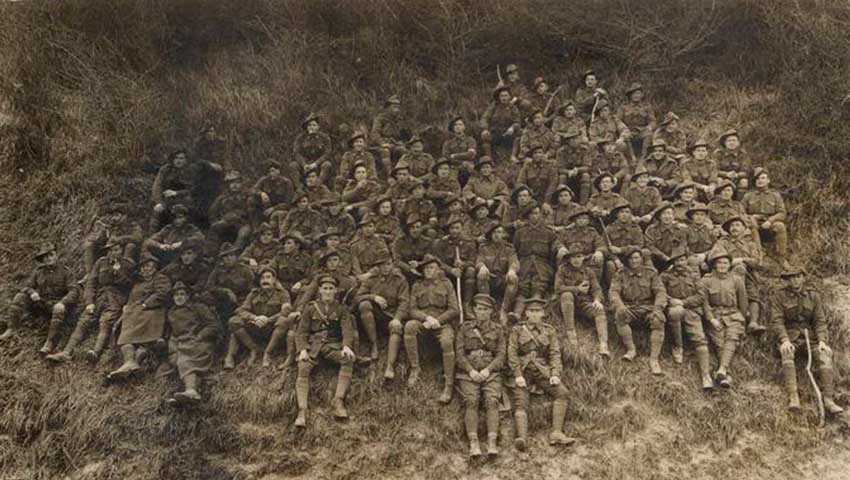
title-5 = B Company, 23rd Battalion (1917)
description-5 = Photograph of Australian servicemen, B Company, 23rd Battalion, 1st AIF, France, World War I (dated c. 1917-1918). (Source: Museums Victoria)
status-5 = 1
image-6 = images/ADF-1917-1940/6.jpg
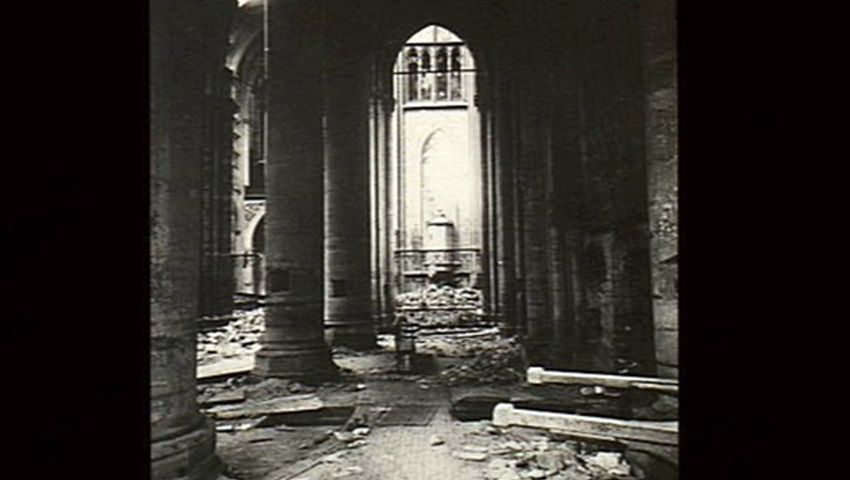
title-6 = St Quentin, France (1918)
description-6 = War damaged interior of the Cathedral at St Quentin, France (1918). Mine holes in the pillars had been made by the German Army. (Source: AWM, H04446)
status-6 = 1
image-7 = images/ADF-1917-1940/7.jpg
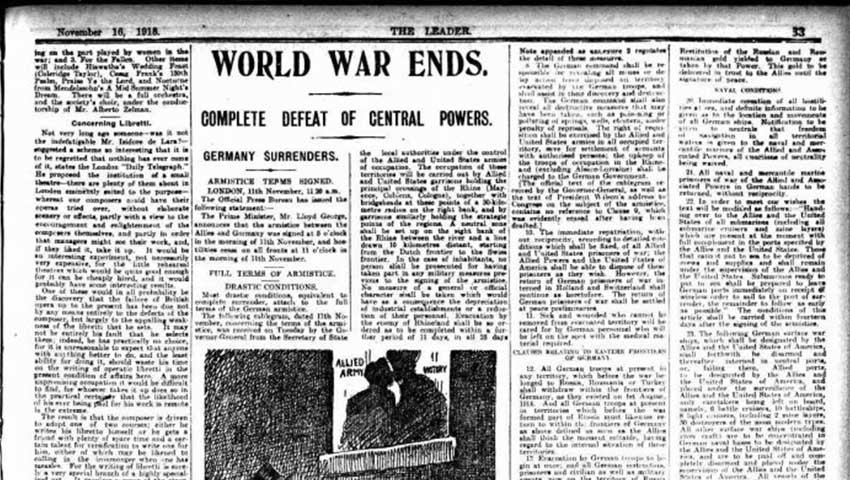
title-7 = Peace declared
description-7 = The Leader (Melbourne) declares the end of WW1 on Saturday, 16 November 1918. (Source: National Library of Australia)
status-7 = 1
image-8 = images/ADF-1917-1940/8.jpg
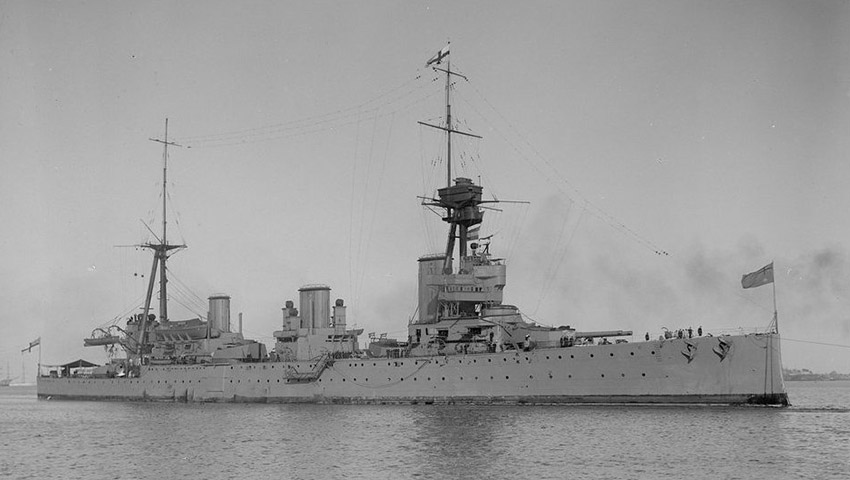
title-8 = HMAS Australia, scuttled 1924
description-8 = Australian battlecruiser HMAS Australia in 1914. Australia was scuttled off Sydney Heads in 1924 as part of the Five Powers disarmament deal. (Source: State Library of Victoria)
status-8 = 1
image-9 = images/ADF-1917-1940/9.jpg
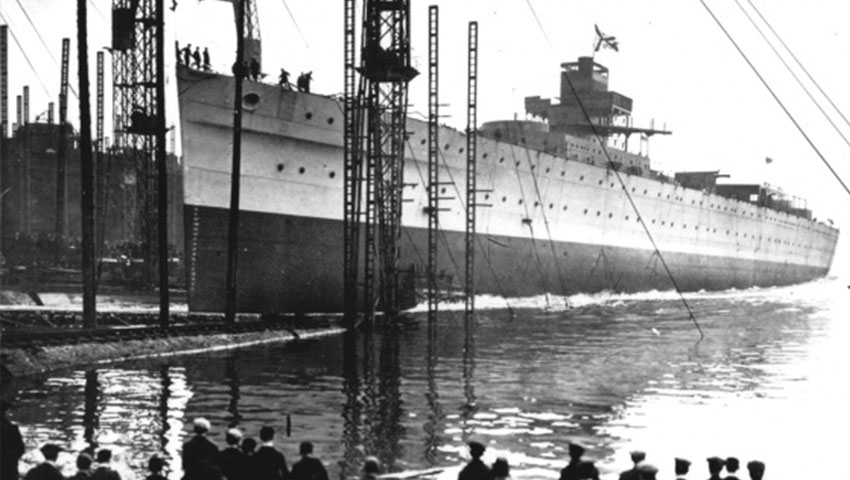
title-9 = HMAS Australia (II) launched 1927
description-9 = HMAS Australia (II) was one of two 10,000 tonne County Class heavy cruisers ordered by the Australian government as part of a five-year naval development program begun in 1924 and completed in 1929. 17 March 1927 (Source: Defence)
status-9 = 1
image-10 = images/ADF-1917-1940/10.jpg
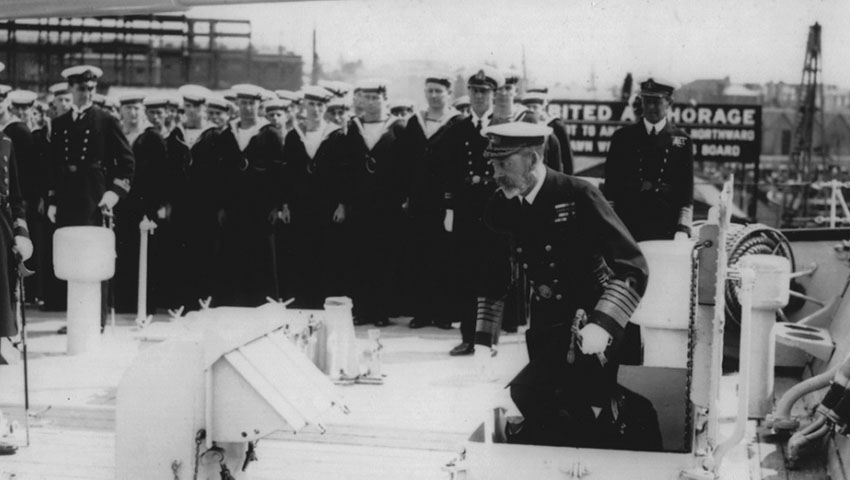
title-10 = The interwar period
description-10 = HM King George V during his visit to Australia, 17 July 1928. (Source: RAN Historical Archives)
status-10 = 1
image-11 = images/ADF-1917-1940/10.jpg
title-11 = Shore leave
description-11 = HMAS Australia ratings proceeding on shore leave during one of their many port visits. (Source: RAN Historical Archives)
status-11 = 1
image-12 = images/ADF-1917-1940/12.jpg
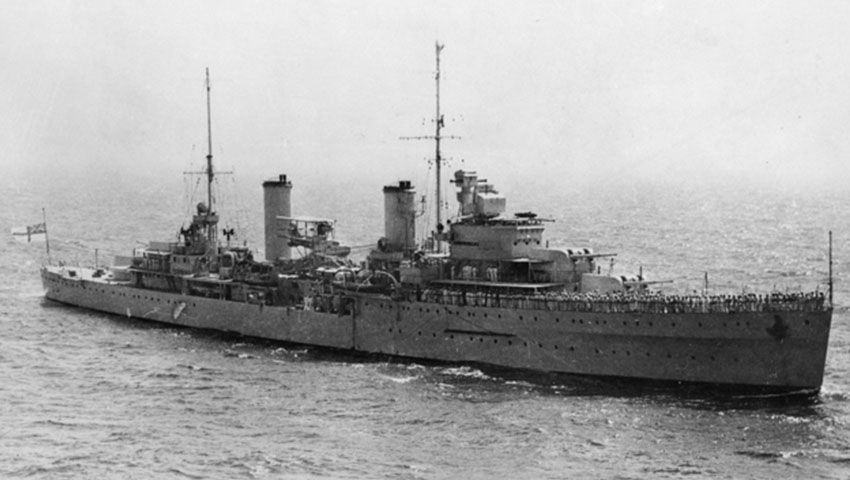
title-12 = The RAN enters WW2
description-12 = Starboard view of HMAS Sydney II at Alexandria (dated c. April 1940).
(Source: AWM, C28123)
status-12 = 1
image-13 = images/ADF-1917-1940/13.jpg
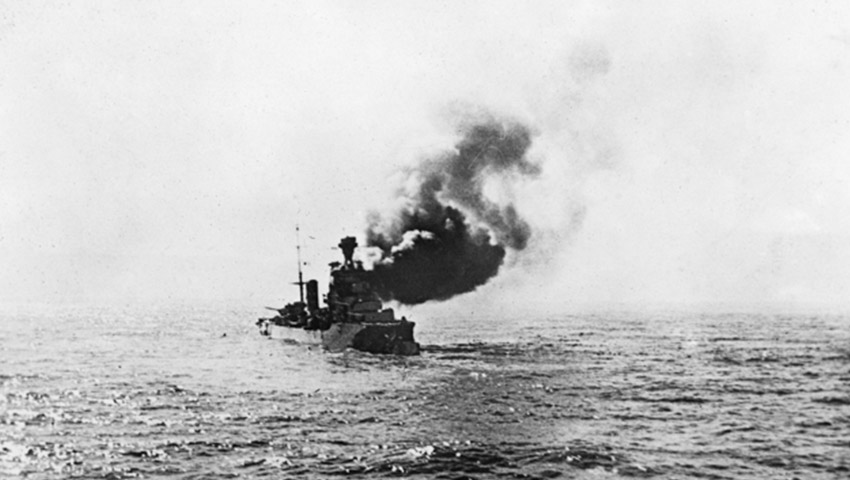
title-13 = A victory off Cape Spada, Crete
description-13 = The Bartolomeo Colleoni stopped and on fire after engaging HMAS Sydney off Cape Spada. (Source: AWM, C203993)
status-13 = 1
image-14 = images/ADF-1917-1940/14.jpg
title-14 = The war wounds
description-14 = Damage to HMAS Sydney after the forward funnel was struck by a shell fired from the Italian cruiser Bartolomeo Colleoni. (Source: AWM, C382366)
status-14 = 1
image-15 = images/ADF-1917-1940/15.jpg
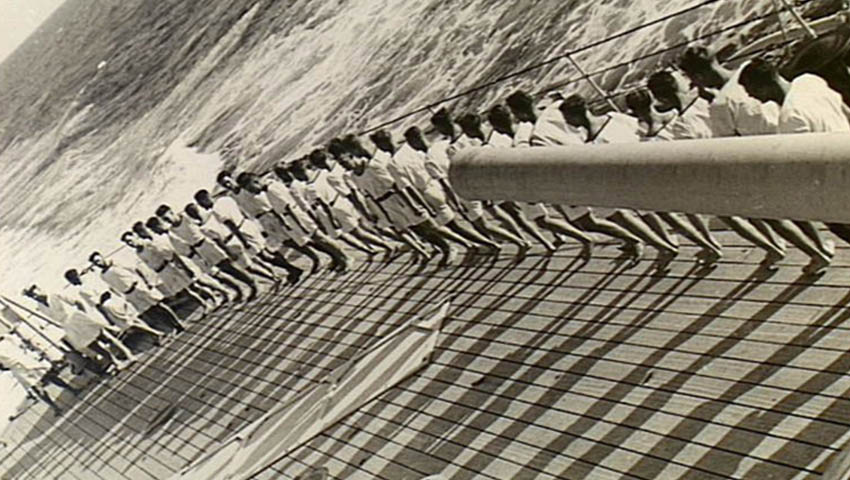
title-15 = Bluewater patrols
description-15 = RAN sailors engage in physical training on the quarter deck of an Australian cruiser (dated 1940). (Source: Naval Historical Collection)
status-15 = 1
image-16 = images/ADF-1917-1940/16.jpg
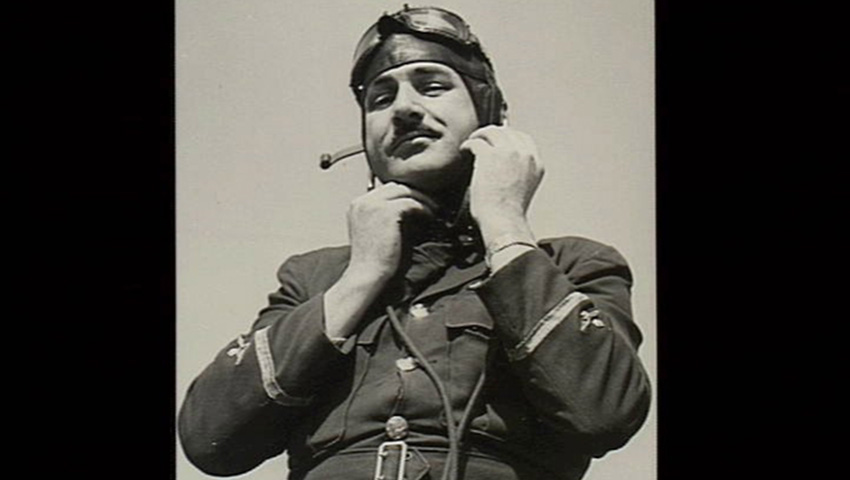
title-16 = Portrait of a pilot
description-16 = A shot of Flying Officer Ambrose, an RAAF pilot, in France (dated c. 1940). (Source: AWM, SUK14901)
status-16 = 1
image-17 =
title-17 =
description-17 =
status-17 =
image-18 =
title-18 =
description-18 =
status-18 =
image-19 =
title-19 =
description-19 =
status-19 =
image-20 =
title-20 =
description-20 =
status-20 =
Photo Essay: The ADF between World Wars (1917-1940)

Click to launch gallery
Scroll to read and see more
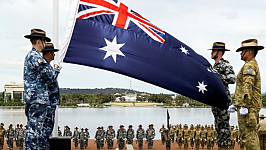
The years 1917-1940 captured some of the most significant moments of Australian military history. The closing throes of the First World War (and the opening years of the Second) bore witness to some of the most dramatic moments of modern warfare on record. Yet at the same time, in the years of peace that separate the two conflicts many points of geopolitical and strategic interest came to light.
The years 1917-1940 captured some of the most significant moments of Australian military history. The closing throes of the First World War (and the opening years of the Second) bore witness to some of the most dramatic moments of modern warfare on record. Yet at the same time, in the years of peace that separate the two conflicts many points of geopolitical and strategic interest came to light.
Some of the toughest battles of the First World War were fought along the Western Front in 1917-1918. After the four-month campaign at Ypres in 1917 – Menin Road, Polygon Wood, and Passchendaele – Australian troops would go on to suffer significant casualties in March and April of 1918, in the defence of Amiens, Hazebrouck and Villers-Bretonneux.
You’re out of free articles for this month
In the post-war decades, Australian forces were stymied by a shrinking Defence budget. Some analysts suggest that this chronic underfunding – coupled with "misplaced trust in the British Singapore Strategy" – left the country underprepared for Australia's entry into the Second World War in 1939. Australia's involvement in the war was primarily facilitated through the RAN in its early stages, as Naval contingents fought against the Italians in the Mediterranean. A contingent of RAAF fighters, however, also contributed to the Battle of Britain in August and September.
The Australian Army would subsequently enter the war in 1941, with the 6th, 7th, and 9th Divisions joining Allied operations in the Mediterranean theatre. The following photo essay documents the closing days of World War I through to late 1940.
No Tags


 iscover