

 iscover

Every single veteran in our community faces two huge milestones in their lives. The first is the choice to join the ADF for a life of service to the nation. The second is leaving the ADF - for some this is a call made for them.
Excitement and anticipation usually accompany the first decision.
But many feel anxiety and uncertainty as they take those first tentative steps toward their next chapter, particularly if the timing and way in which someone leaves the ADF is not what they had initially planned – due to medical or other circumstances.
Where life in the ADF is one of purpose, regimen and comradery, hanging up the uniform for the last time can leave many feeling a loss of identity and unease.
The Final Report of the Royal Commission into Defence and Veteran Suicide paid close attention to this period in journey of our veterans, devoting an entire volume to it. The Royal Commission’s Final Report noted in Volume Five: “It is a period of increased risk for the development of psychological disorders and suicidality.”
Those who leave service through medical or administrative means are statistically the most at risk.
A good job with a supportive employer can make all the difference for veterans and families of veterans as they navigate the choppy waters back to civilian life. But, just as a career in the ADF is unique, so too are the challenges in finding a veteran-friendly workplace after that career is over.
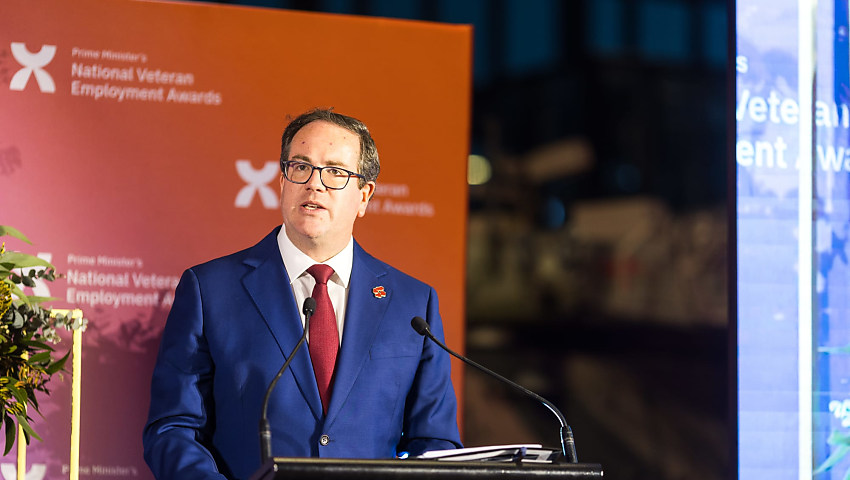
The 2026 Prime Minister's National Veteran Employment Awards

The Prime Minister’s National Veteran Employment Awards, now in their ninth year, are an important way of showing employers and veterans alike how that can look. Veterans who come into civilian workplaces are proficient at teamwork and offer high-end technical skills. But to thrive, they need cultures and programs that bring out their best.
As the winners of this year’s awards showed, that can mean flexible hours so they can do reserve work and stay connected to their military experiences. It can mean a culture focused on purpose and teamwork. And it can mean specialised training and induction programs, designed and delivered by existing veteran employees.
The Awards showcase exemplary veteran-friendly workplaces, and also demonstrate how getting the most from the incredible skills and attributes our veterans bring to the table can be a huge benefit. It is tremendous to see more and more businesses paying attention to how they can create a veteran-friendly workplace.
At last year’s awards just under 500 organisations had signed onto the Veteran Employment Commitment. This year, that number stands at more than 620. The Awards are an important part of how the Government is supporting veterans to find work after their ADF career, but we are doing more.
Final Thoughts
On 1 July this year we established the Veteran and Family Wellbeing Agency within the Department of Veterans’ Affairs, one of the key recommendations of the Royal Commission.
The Agency will support veterans find work as part of its remit to better connect transitioning veterans and their families with the thousands of different support services available to them. The agency augments our expanding network of Veterans’ and Families’ Hubs, which give veterans and families of veterans access to the supports they need in-person and close to home.
Last week I opened the 14th Hub in Rockingham, adding to recent openings in Tweed Heads, Ipswich and Tasmania. The hubs all include employment services among the myriad of other supports on offer, as well as social gathering for veterans and their families.
As a Government committed to reducing the unacceptable rate of veteran suicide, and supporting the long-term wellbeing of the veteran community, we’re pleased to our investment into these initiatives are already helping.
***Matt Keogh is Minister for Veterans’ Affairs and Defence Personnel.***
Want to see more stories from trusted news sources?
Make Defence Connect a preferred news source on Google.
Click here to add Defence Connect as a preferred news source.