

 iscover





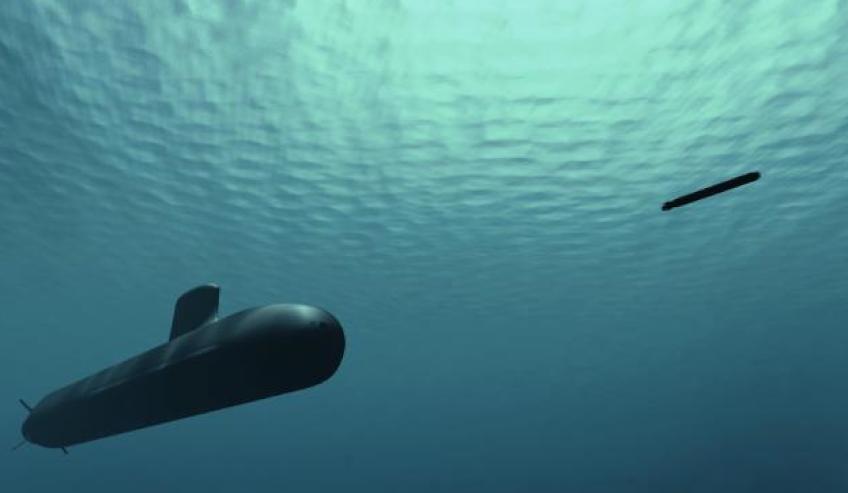
Maritime activity over the next decade will be dominated by unmanned surface and underwater vessels, according to a report on the future of autonomous maritime systems.
Lloyd’s Register, multinational defence company QinetiQ and the University of Southampton wrote and researched the report, which is a follow-up to Global Marine Technology Trends 2030 looking at how technology trends will impact upon the regulatory and social aspects of maritime operations.
Tim Kent, technical director, marine and offshore at Lloyd’s Register, said autonomous surface and underwater vessels will drastically change the naval and commercial maritime operations of the future.
“Networks of autonomous surface and underwater vessels are set to radically change the nature of maritime operations," said Kent.
"Developments widely reported in the media, such as those in autonomous shipping, are happening with greater pace than expected as little as two years ago. These developments enabled by technology provide new opportunities and potential for disruptive business models. However, the principal challenges will be the integration of these autonomous systems into current maritime operations, legal and regulatory requirements, and not least the impact upon seafarers."
Artificial intelligence and improvements in cyber security technology are disrupting the industry, providing new and advanced opportunities for the naval and maritime sector, Bill Biggs, senior campaign leader for autonomy at QinetiQ, said.
"Technological advances in consumer and adjacent markets are a real opportunity for the maritime sector," said Biggs.
"Applied artificial intelligence, low cost low size sensors, increased connectivity, improved cyber security and better energy management are all likely to drive rapid and disruptive change. Trials already undertaken by navies and transport companies demonstrate the opportunities that autonomous maritime systems present. In 2016, QinetiQ supported Unmanned Warrior, the largest demonstration of its type ever conducted, running as part of a major multinational naval exercise."
Changes associated with the upcoming technology will include crew members potentially becoming shore-based and operating from an office, said Professor Ajit Shenoi, director of the Southampton Marine and Maritime Institute at the University of Southampton.
"The report recognises that autonomous systems and associated technologies will require people to learn to work seamlessly with them," Professor Shenoi said.
"Crew members of the future may become shore-based, managing vessels remotely from the office or the sea, creating the need for new training and skillsets. The potential for the command and control to be geographically displaced from the vessel will also require behavioural and cultural changes within the maritime community."
Want to see more stories from trusted news sources?
Make Defence Connect a preferred news source on Google.
Click here to add Defence Connect as a preferred news source.