

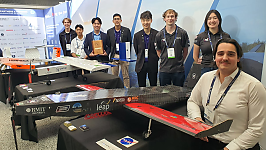

Saturn Fluid Engineering, Northern Chemicals sign agreement to collaborate on defence, maritime, industrial
Saturn Fluid Engineering has announced the formal signing of a memorandum of understanding with Cairns-based manufacturer Northern...
Are you really sure you want to go there? Greens defence spokesman argues for ‘regional defence’ over AUKUS
As debate continues about the future of the nation’s future fleet of nuclear-powered submarines, Greens defence spokesman, NSW s...
Defence and APS course strengthens joint operations
Defence and Australian Public Service (APS) personnel have convened at a logistics operations training course to strengthen public...
US Navy establishes presence in Perth ahead of AUKUS
The US Navy has set up a new Naval Support Activity in Perth to enhance multinational support ahead of AUKUS. ...

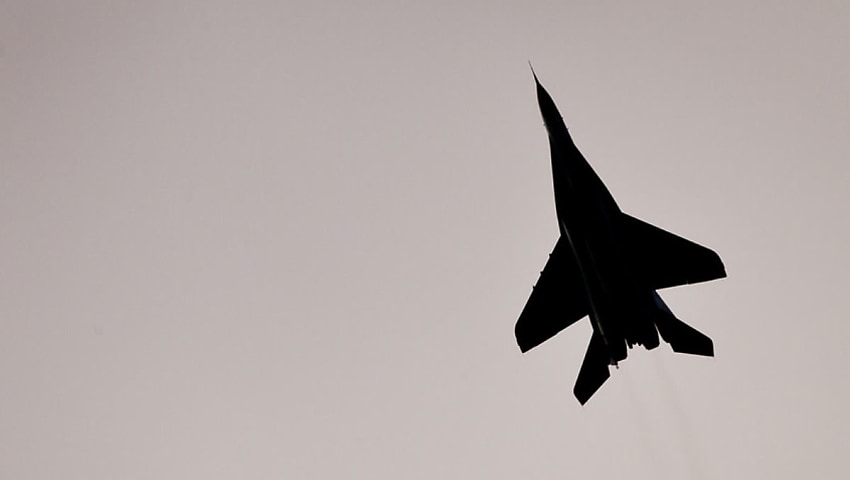
Russian stealth aircraft skin passes factory testing

Air
|

Prototypes of a new radar-absorbing layered material used in aircraft have successfully passed required factory testing in Russia, according to Rostec State Corporation.

Prototypes of a new radar-absorbing layered material used in aircraft have successfully passed required factory testing in Russia, according to Rostec State Corporation.

The Russian state-owned company, Rostec State Corporation, announced during a public statement on 30 March that it had created a metal-core glass filament base which can be used in aircraft components.

The material of interconnected glass fabric layers is reportedly capable of absorbing broadband radio waves. The new material also reportedly absorbs up to 95 per cent of incident electromagnetic radiation from radars and considerably hinders aircraft detection using radar equipment. 


Central Design Bureau of Radio Materials general director Aleksey Dymovskikh said radar-absorbing material is based on thin glass-insulated, metal-core filaments.

“The modern military aircraft engineering has faced the issue of development of a radar-absorbing structural material long ago,” he said.

The existing types of stealth aircraft coatings require regular restoration, while the lower-reflectivity fibreglass is maintenance-free.

“Our prototypes have already successfully passed the required factory tests,” he said.

The stealth material has been developed by the Central Design Bureau of Special Radio Materials for the manufacture of engine compressor blades, one of the most visible parts in RF band.

Robert Dougherty

Robert is a senior journalist who has previously worked for Seven West Media in Western Australia, as well as Fairfax Media and Australian Community Media in New South Wales. He has produced national headlines, photography and videography of emergency services, business, community, defence and government news across Australia. Robert graduated with a Bachelor of Arts, Majoring in Public Relations and Journalism at Curtin University, attended student exchange program with Fudan University and holds Tier 1 General Advice certification for Kaplan Professional. Reach out via email at This email address is being protected from spambots. You need JavaScript enabled to view it. or via LinkedIn.

Want to see more stories from trusted news sources?
Make Defence Connect a preferred news source on Google.
Click here to add Defence Connect as a preferred news source.

Tags: