

 iscover





Engineers Australia and BAE Systems will be conducting a CPD event regarding fatigue and corrosion management in the RAAF’s fast jet fleet.
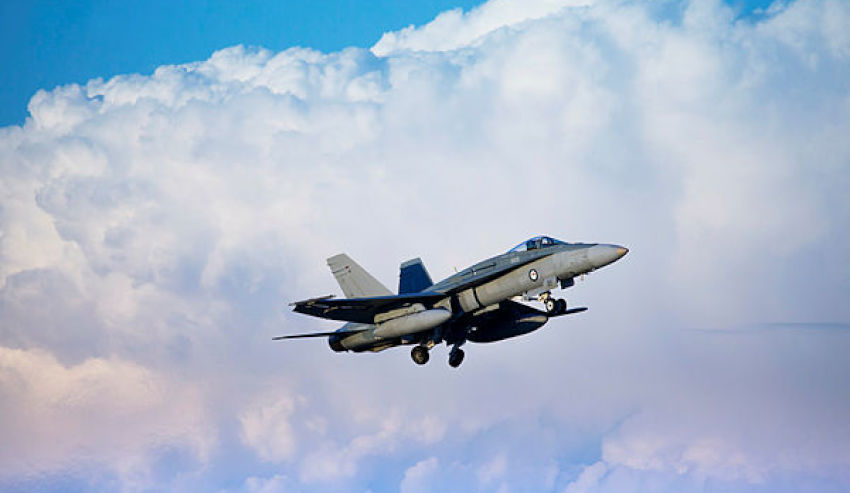
The BAE Systems Health and Usage Monitoring System (HUMS) project monitors fatigue life of airframes and engines on all four Royal Australian Air Force operational fast jet platforms: F/A-18 Classic and Super Hornet, EA-18 Growler and Hawk Mk127 lead-in fighter.
HUMS has assisted in delivering hundreds of millions of dollars of savings, increasing aircraft availability, extending the planned withdrawal date of the Classic Hornet, and providing increased flexibility for Australia’s future air combat capability.
Building upon the knowledge acquired over 35 years of fatigue monitoring, BAE Systems is developing a corrosion monitoring and prognostic capability for aerospace, sea and land applications. The system includes corrosion sensors and locally developed prognostic algorithms currently deployed on the global F-35 Joint Strike Fighter fleet. The capability will be used to optimise corrosion inspections and maintenance, providing large cost savings and increased aircraft availability.
This presentation will offer insights on lessons learnt that are applicable to many HUMS applications, and how those insights are being applied to solve the pervasive problem of corrosion.
About the speakers:
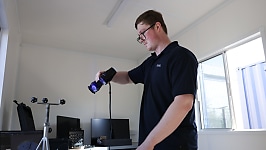
Dr Aaron Sudholz, PhD, modelling lead, BAE Systems: Dr Sudholz has a PhD in engineering and over 10 years’ experience working at CSIRO, DSTG and a number of universities. He has extensive experience in materials science, modelling, metallurgy, chemistry and associated specialities. He is currently the modelling lead for corrosion projects at BAE Systems.
Rob Findlay MIEAust CPEng, design engineer, BAE Systems: Findlay is an aerospace engineer with over 15 years’ experience working in the defence industry on many Australian Defence Force platforms. He is currently the deputy senior design engineer for the BAE Systems HUMS project.
The event will take place on Monday, 6 August at 6pm at Engineers Australia Harricks Auditorium in Chatswood, NSW. Registration closes on Friday, 3 August at 6pm, further registration details available here.
Want to see more stories from trusted news sources?
Make Defence Connect a preferred news source on Google.
Click here to add Defence Connect as a preferred news source.