

 iscover




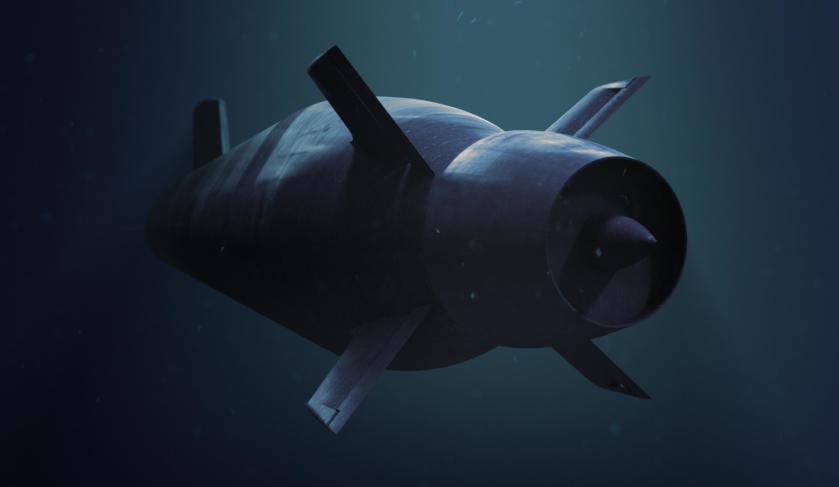
South Australian Senator Nick Xenophon has said “damning evidence” presented at a Senate hearing has suggested DCNS has backed away from its initial local build and assembly commitment to Australia’s Future Submarines.
As previously reported on Defence Connect, there has been much speculation about the percentage of Australian industry involvement in the country's largest ever defence procurement.
At Tuesday night's Senate hearing, DCNS Australia chief executive Brent Clark said that, while he was reluctant to put a figure forward until one has been finalised, "from our perspective we would imagine that at least – at least – an aim point of greater than 60 per cent would be something that we aim for."
Now Xenaphon has said the company has backed away from its initial commitment to Australian industry, reducing it to a "rubbery" figure of 60 per cent.
"Sixty per cent falls well short of the 70 per cent achieved during the build of Collins and the 90 per cent promised for the Future Submarine Program by Minister Pyne on Q&A last year and by DCNS before a parliamentary committee in March this year," said Xenophon.
"Let's hope it doesn't turn into an Ikea project, where all we do is bolt together a bunch of components that have been shipped to Australia from overseas."
Clark previously explained to Defence Connect that his predecessor's commitment to a 90 per cent figure was "lost in translation" and that this figure applied solely to the production of the submarines, not the entire acquisition.
"I think, not trying to put words into people's mouths, what my predecessor was talking about when he mentioned the 90 per cent figure, he was talking about production, and I think that got lost in translation," Clark said.
But Clark stressed that this figure in relation to production is still very likely and is something the company is striving to achieve.
"I can't envisage that from a production perspective that we would drop below that kind of figure," Clark told Defence Connect earlier this month.
The DCNS CEO also revealed at the hearing that, so far, approximately $11 million worth of contracts have been signed with 91 Australian subcontractors.
DCNS Australia was selected as the Australian government's preferred international partner for the design of 12 Future Submarines for the Royal Australian Navy.
The first of the 12 submarines is likely to begin entering service in the early 2030s. Construction of the 12 new submarines will extend into the late 2040s to 2050 timeframe.
Want to see more stories from trusted news sources?
Make Defence Connect a preferred news source on Google.
Click here to add Defence Connect as a preferred news source.