

 iscover
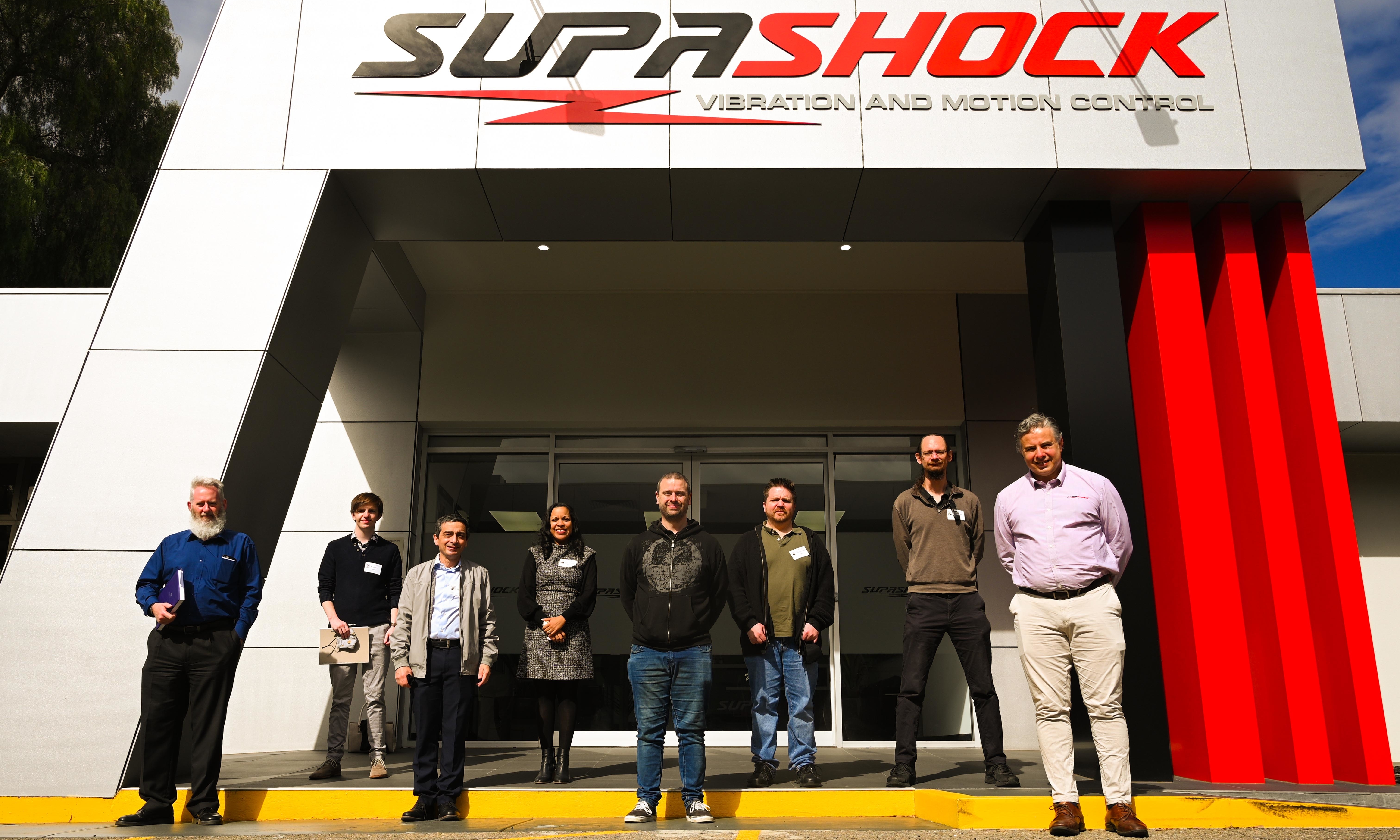
SA-based SME Supashock has partnered with Flinders University and the Defence Science and Technology Group to improve vehicle testing methodologies.
The collaboration is expected to improve the testing methodology to assess a vehicle’s condition, and enable better preventative vehicle maintenance and monitoring.
The cutting edge testing procedure is hoped to be achieved through the development of a “digital twins” process, which create a virtual representation of the object that will operate real-time digital counterpart.
Oscar Fiorinotto, founder and chief executive of Supashock, outlined that the partnership between the groups is emphatic of the fruitful relationship between defence, academia and industry.
“Supashock has a strong partnership with both DSTG and Flinders on various levels and several of our staff are doing the Diploma of Digital Technologies at Tonsley with other members of the defence and other industries,” Fiorinotto said.
Nicholas Brealey, digital logistics specialist from the DSTG’s Land Division, explained that the “digital twins” process utilises software simulation to observe real-time demonstrations.
“This research creates a more comprehensive digital twin as it focuses on the two-way transfer of data and the ability of the digital twin to initiate action in the physical vehicle. It is also very beneficial in providing a real-life demonstration of a digital twin, which may help people to imagine new applications and possibilities for digital twins,” Brealey said.
Giselle Rampersad, Professor of Innovation at Flinders University, outlined that the “digital twins” project would provide long term benefits to defence, including projecting Australia’s upcoming maritime programs.

“Projects such as these are important in understanding the value to organisations that can be derived during the lifecycle of a product from design reviews to the construction phase, remote monitoring and managing the supply chain while in use and for sustainment into the future,” Professor Rampersad said.
Earlier this year, Supashock entered into an agreement with Rheinmetall for the company's LAND 400 Phase 3 bid.
Managing director of Rheinmetall Defence Australia Gary Stewart welcomed the partnership between the two companies.
“This is an example of how Rheinmetall contracts will drive future growth internationally and continue to create highly skilled, enduring jobs in Australia, while delivering significant performance improvements to customers in export markets,” Stewart said.
[Related: Supashock enters export agreement and Rheinmetall’s LAND 400 Phase 2]

Want to see more stories from trusted news sources?
Make Defence Connect a preferred news source on Google.
Click here to add Defence Connect as a preferred news source.